




Are expensive trekking poles overpriced for weekend ramblers?
Yes, for most weekend ramblers—those who walk a few times a month on well‑maintained trails—expensive trekking poles are largely overpriced and unnecessary. You can get perfectly functional, durable poles for under £30–£50 that will serve you well for years. Premium poles costing £100+ offer marginal benefits that weekend walkers simply won't notice.
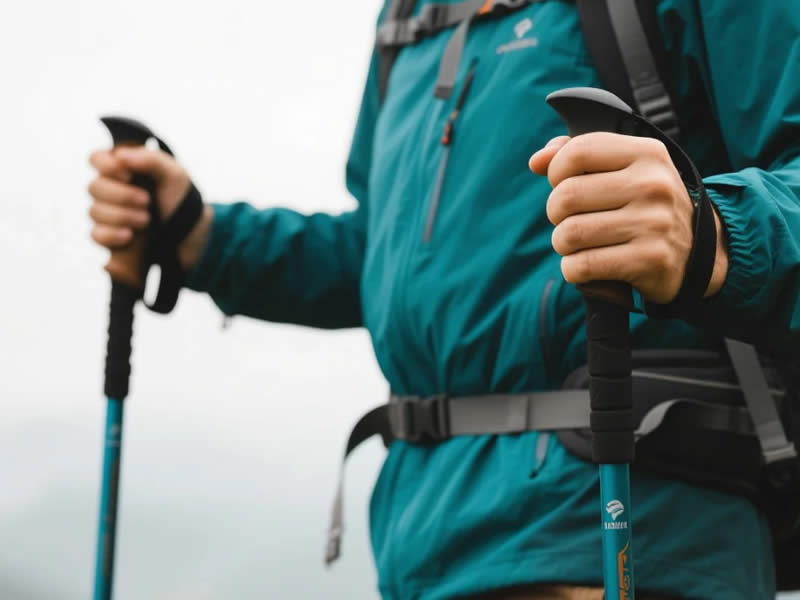
What you actually need as a weekend rambler
As a casual walker, your priorities should be:
- Reliable locking mechanism – Lever locks are better than twist locks, but even basic twist locks work fine on gentle terrain if tightened properly.
- Comfortable grips – Foam or cork grips prevent blisters. Rubber grips can become slippery when sweaty.
- Adjustable length – Essential for uphill/downhill comfort. Most budget poles offer this.
- Light enough – Under 300 g per pole is fine. You don't need ultralight carbon.
That's it. You don't need carbon shafts, shock absorption, or ergonomic contoured grips.
What expensive poles offer – and why you don't need them
- Weight savings (carbon vs. aluminium): A carbon pole weighs ~100–150 g less than aluminium. Over a 20‑mile day, that saves arm fatigue. But weekend ramblers walk 5–10 miles. The difference is negligible.
- Shock absorption: Some premium poles have springs that dampen impact. On soft dirt or grass paths (typical for weekend walks), you won't feel the benefit.
- Advanced locks (SpeedLock Plus vs. basic lever): Premium locks are more reliable in mud and ice. On dry, gentle trails, basic locks hold fine.
- Replaceable tips: This is actually useful for longevity, but many budget poles now offer it too (e.g., Decathlon Forclaz MT100 doesn't, but MT900 at £55 does).
- Brand cachet: You're paying for the logo and marketing. Leki and Black Diamond are excellent, but the performance difference is small for casual use.
Real-world examples
- Budget choice: Decathlon Forclaz MT100 – ~£25, lightweight aluminium, twist locks, foam grips. Adequate for 90% of weekend walks.
- Mid-range value: Decathlon Forclaz MT900 – ~£55, 7075 aluminium, lever locks, cork grips, replaceable tips. This is the sweet spot—durable and comfortable, yet affordable.
- Premium: Leki Makalu – ~£100, similar specs to MT900 but with smoother locks and a lifetime warranty. The extra £45 buys you refinement, not necessity.
When expensive poles are worth it
- If you walk every weekend on rugged terrain (e.g., Lake District fells, Snowdonia).
- If you're a long-distance backpacker covering 15+ miles a day.
- If you have joint issues and need shock absorption.
- If you simply appreciate premium build quality and are happy to pay for it.
But for a typical weekend rambler on the South Downs or a canal towpath, these benefits are surplus.
The hidden cost of budget poles
Cheap poles under £15 may have flimsy locks that slip, or tips that wear out quickly. They can be frustrating and even dangerous. So avoid the absolute cheapest. Spend £20–£50 on a reputable brand (Decathlon, Mountain Warehouse, Eurohike) and you'll get reliable, safe poles.
Final verdict
Yes, expensive trekking poles are overpriced for weekend ramblers. A £100+ pole offers marginal improvements that casual walkers won't appreciate. The best value is the £50–£60 range (e.g., Decathlon Forclaz MT900), which gives you durability, comfort, and replaceable tips without the premium price tag. If you're on a tight budget, a £25 pole will do the job for gentle trails. Save your money for a good pair of boots or a post‑walk meal. Upgrade only if you become a more serious hiker. Otherwise, invest wisely, and enjoy your weekend rambles without breaking the bank.




