




Do I need trekking poles for the South Downs Way?
The short answer is no – but they are highly recommended for many walkers. The South Downs Way is a 100‑mile (160 km) national trail that runs from Winchester to Eastbourne, following the rolling chalk hills of southern England. Unlike the rocky, boggy terrain of the Pennine Way, the South Downs Way is well‑maintained, with gentle gradients and relatively stable footing. However, trekking poles still offer significant benefits, particularly for those carrying weight or with joint concerns. This guide will help you decide whether they are worth adding to your pack.
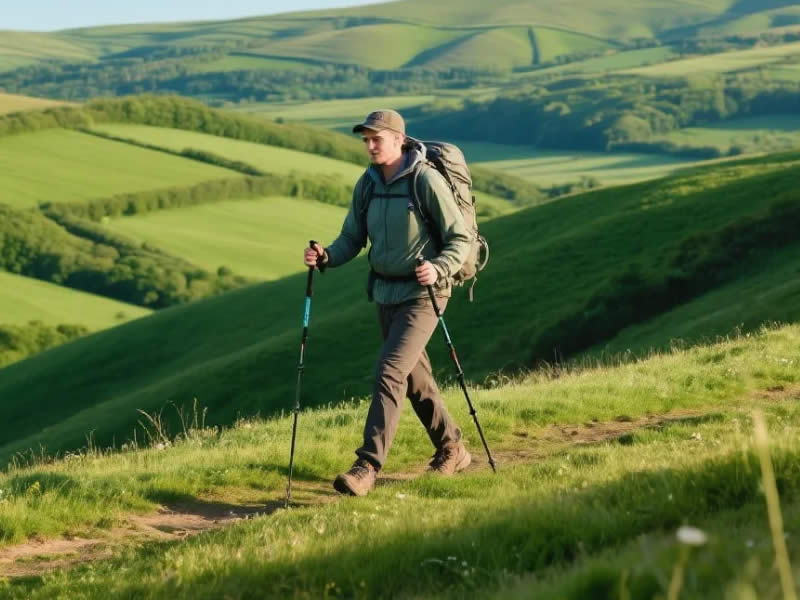
Understanding the terrain
The South Downs Way is predominantly a chalk ridgeway, with grassy paths, compacted chalk tracks, and occasional flinty sections. The climbs are long but not steep – you rarely encounter the punishing ascents found in the Lake District or Scotland. The descents are similarly gentle, with switchbacks or gradual slopes. The surface is mostly firm, though chalk can become slippery when wet, and loose flints can be underfoot.
When trekking poles are very useful
- Heavy backpacks – If you are carrying camping gear (tent, sleeping bag, stove), the extra weight puts strain on your knees, especially on descents. Poles can offload 20–30% of that weight to your arms, reducing joint impact.
- Joint issues – If you have a history of knee or hip pain, poles provide valuable shock absorption on the downhills. The South Downs Way has around 12,000 feet of ascent and descent overall – enough to aggravate sensitive knees.
- Balance on slippery sections – After rain, chalk can become greasy and slippery. Poles give you two extra contact points, helping you stay upright on wet slopes.
- Walking efficiency – On flat or gently rolling sections, poles can help maintain a steady rhythm, engaging your upper body and saving your leg muscles for the climbs.
When you might skip poles
- Light pack, fit legs – If you are a regular walker with strong knees and a pack under 8 kg, you may prefer the freedom of walking hands‑free. Many fit, experienced walkers complete the South Downs Way without poles.
- Pole‑free preference – Some walkers simply dislike the feel of poles or find them cumbersome. On the South Downs' wide, open paths, poles are not a safety necessity.
- Shorter daily distances – If you are walking 10–12 miles a day, the cumulative impact on your knees is manageable without poles.
What type of poles for the South Downs Way?
If you decide to use poles, choose:
- Aluminium (not carbon) – Chalk and flint can chip carbon shafts; aluminium bends but survives.
- Lever locks – Twist locks can slip when chalk dust gets in them.
- Replaceable carbide tips – The chalky terrain is abrasive; tips will wear down.
- Small trekking baskets – Useful to stop the pole sinking too deep into soft chalk mud.
The Decathlon Forclaz MT900 (£55) is an excellent value choice, while the Leki Makalu or Black Diamond Trail Back are premium options.
Practical alternatives
- Use a single pole – Some walkers use one pole, leaving one hand free for a water bottle or map. This gives some knee support without the commitment of two poles.
- Try before you buy – Borrow a pair from a friend or rent from a local shop for a day to see if you like the rhythm.
- Hire locally – Some outdoor shops near the trail (e.g., in Winchester or Eastbourne) offer pole rental.
What about the weather?
The South Downs can be windy, especially on exposed ridge sections. Poles help with stability in strong gusts, but they also add resistance if you're facing a headwind – a minor inconvenience.
Final verdict
You do not need trekking poles for the South Downs Way. The trail is moderate, well‑graded, and forgiving. However, if you have knee issues, carry a heavy load, or walk longer daily distances, poles will significantly enhance comfort and reduce fatigue. For weekend walkers with a light pack, you'll likely manage just fine without. If you're unsure, try a short day walk on similar terrain with a borrowed pair – you'll quickly know if they suit your style.
For most walkers, the answer is: not essential, but highly recommended for comfort. If you already own a good pair, bring them – you won't regret it on the long descents. If you don't, you can complete the trail without them, especially if you're fit and travel light. Ultimately, it's a personal choice – and the South Downs Way is forgiving enough to let you decide.




