




Best poles for the Yorkshire Three Peaks challenge?
The Yorkshire Three Peaks challenge is a 24‑mile (39 km) circular route that takes in the summits of Pen‑y‑ghent (694 m), Whernside (736 m), and Ingleborough (723 m). Most walkers aim to complete it within 12 hours, making it a test of endurance, navigation, and pacing. The terrain is varied: limestone pavements, grassy slopes, rocky scrambles, and boggy sections. Choosing the right trekking poles will help you maintain speed, protect your knees on the descents, and stay stable on the rocky sections. The best poles for this challenge are lightweight aluminium models with lever locks, replaceable carbide tips, and cork grips. The Decathlon Forclaz MT900 (£55) offers the best value, while premium options like the Leki Makalu or Black Diamond Trail Back are excellent if you walk regularly. Here's a detailed breakdown of what works and why.
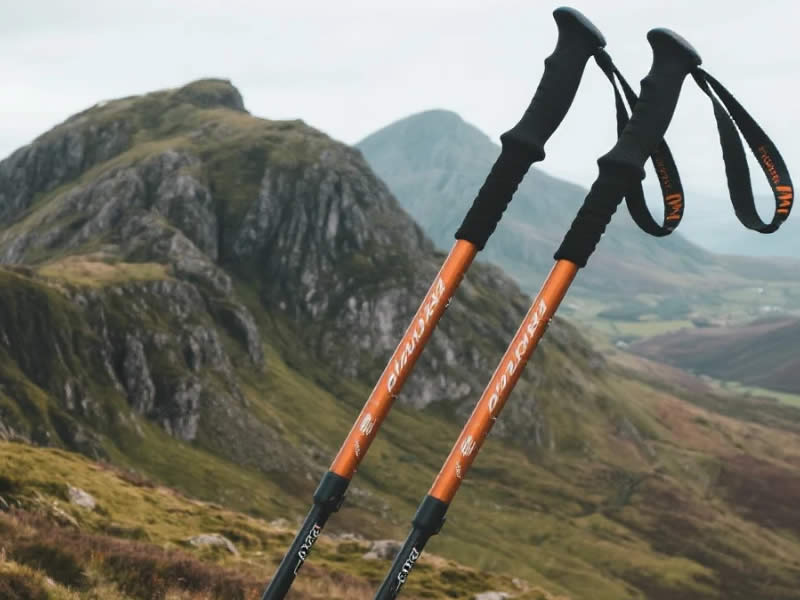
Understanding the Yorkshire Three Peaks terrain
The route includes:
- Steep ascents – Pen‑y‑ghent's initial climb involves some scrambling over limestone steps. Whernside has a long, steady ascent. Ingleborough's final climb is over limestone pavement and scree.
- Long descents – The descent from Whernside is particularly steep and can be slippery after rain, placing significant strain on your knees.
- Boggy moorland – Sections between the peaks can be muddy and wet, especially after rainfall.
- Limestone pavement – Uneven, with sharp edges that can damage carbon shafts and wear down carbide tips.
- Road sections – The route includes some road walking, which is hard on carbide tips.
Essential features for the Yorkshire Three Peaks challenge
- Aluminium over carbon – The limestone pavements and rocky sections are unforgiving. Carbon poles can splinter on a side impact. Aluminium (especially 7075 alloy) bends but does not break, making it the safer choice for this terrain.
- Lever locks – Twist locks are notorious for slipping when wet or muddy. Lever (cam) locks (Leki SpeedLock, Black Diamond FlickLock, Decathlon's cam system) are more secure and can be tightened on the trail.
- Replaceable carbide tips – The abrasive nature of limestone will wear down tips quickly. Poles with replaceable tips are more economical. Carry a spare pair.
- Cork grips – In wet, windy conditions, cork grips become tacky and provide superior grip compared to foam or rubber. They also insulate against cold, which is useful on exposed summits.
- Small mud baskets – Useful for preventing the pole from sinking into boggy sections. Remove them on rocky or road sections to avoid catching.
- Weight – Lighter poles reduce arm fatigue over 12 hours of walking. Aim for under 280 g per pole.
Top recommendations for the Yorkshire Three Peaks
- Decathlon Forclaz MT900 (£55) – The best value pole for this challenge. Features: 7075 aluminium, reliable lever locks, cork grips, replaceable carbide tips. Weight: ~250 g per pole. Collapses to 65 cm. It accepts Decathlon's own mud baskets (£5–10), which are useful for the boggy sections. Light enough for a fast-paced challenge, durable enough for the rocky terrain.
- Leki Makalu (£90–100) – A premium choice for frequent walkers. Features: SpeedLock Plus (the most secure lever lock), 7075 aluminium, a steel lower section for extra abrasion resistance, cork grips. Slightly heavier at 270 g per pole but virtually indestructible. A great investment if you walk regularly.
- Black Diamond Trail Back (£75–85) – Similar to the Makalu but with Black Diamond's FlickLock system. Lighter (240 g per pole) and with a more ergonomic grip. Excellent if you prefer FlickLock over SpeedLock.
- Budget alternative – Decathlon Forclaz MT100 (~£25) – Not recommended for this challenge. Twist locks slip in wet conditions, tips are non‑replaceable, and foam grips become uncomfortable in damp weather. Avoid.
Why carbon poles are a risk
Carbon poles (e.g., Leki Micro Vario Carbon, Black Diamond Distance Carbon Z) are lighter and offer better vibration damping. However, the limestone pavements and rocky sections of the Three Peaks make them a risky choice. A single side impact can cause splintering. The weight saving of ~100 g per pole is not worth the potential for breakage on a 12‑hour challenge. Stick with aluminium.
Practical tips for the Yorkshire Three Peaks
- Adjust pole length – Shorten by 5–10 cm for the steep ascents; lengthen by 5–10 cm for the long descents. The route has significant elevation changes, so this adjustment saves energy.
- Use rubber tips on road sections – The challenge includes road walking (especially on the approach to Whernside). Rubber protectors save your carbide tips from wear and reduce noise.
- Carry spare tips – The limestone will wear down tips noticeably over 24 miles. A spare pair (around £10) is a lightweight addition to your pack.
- Mud baskets – Fit them for the boggy sections between peaks. Remove them on rocky or road sections.
- Secure wrist straps – On the steep descents, a loose strap can let a pole slip from your hand. Adjust straps to fit comfortably but securely.
- Clean and dry after the challenge – Mud and moisture can corrode locks and shafts. Rinse with fresh water and dry thoroughly.
Where to buy before your challenge
- Decathlon UK – Forclaz MT900 (best value, online and in‑store).
- Go Outdoors – Price‑match and discount card can make Leki and Black Diamond more affordable.
- Cotswold Outdoor – Expert advice and in‑store testing.
- SportPursuit – Flash sales on premium brands (if timed right).
Final verdict
For the Yorkshire Three Peaks challenge, the Decathlon Forclaz MT900 is the best value choice, offering lightweight, durable aluminium with lever locks, cork grips, and replaceable tips at a price that suits most walkers. If you walk regularly and want the best build quality, invest in the Leki Makalu or Black Diamond Trail Back. Avoid carbon and twist locks. With the right poles, you will tackle the steep ascents, protect your knees on the descents, and maintain a steady pace across the boggy sections, helping you achieve a successful and enjoyable Three Peaks challenge. Happy walking.




