




Do I need trekking poles for the Isle of Wight coastal walk?
The Isle of Wight Coastal Path is a 70‑mile (113 km) circuit that rings one of Britain's most beloved islands, offering stunning views of the Solent, the English Channel, and the iconic chalk cliffs of the Needles. The route is predominantly well‑maintained, with manageable gradients and a mix of coastal paths, downland, and occasional urban stretches. So, do you need trekking poles for this walk? The short answer is not essential, but highly recommended for many walkers, particularly if you have joint concerns, carry a backpack, or walk in wet conditions. Here is a detailed guide to help you decide.
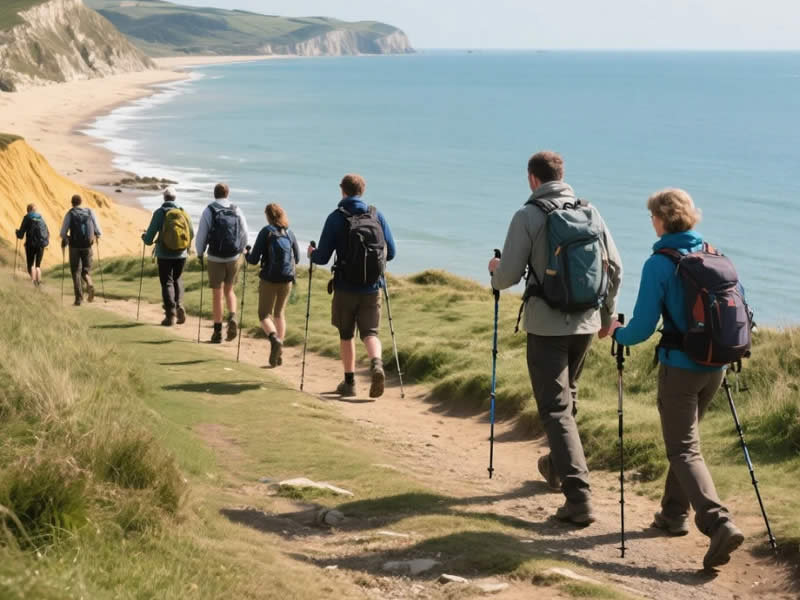
Understanding the Isle of Wight Coastal Path terrain
The trail is not a single, uniform surface. It includes:
- Chalk cliffs and steep ascents – Sections like the climb up to the Needles and Tennyson Down involve steady, sometimes steep, inclines.
- Muddy downland – After rain, the grassy paths can become slippery and boggy, especially on the southern and western coasts.
- Rocky and uneven coastal sections – Some stretches along the coast have loose stones and uneven footing.
- Long, exposed ridges – The path often follows the top of cliffs, where winds can be strong.
- Road and pavement sections – The route also includes town and village roads, which are hard on bare carbide tips.
While the cumulative ascent (around 1,700 metres over the full circuit) is moderate compared to more demanding trails, the constant up‑and‑down over several days can fatigue your legs and stress your knees, especially if you are carrying camping gear.
When trekking poles are very useful
- Knee protection on descents – The descent from the Needles and other cliff paths can be steep. Poles offload impact from your knees, reducing strain and fatigue.
- Stability on mud and wet grass – The Isle of Wight gets its share of rain. After a shower, the chalky and grassy paths become greasy. Poles provide two extra points of contact, preventing slips.
- Balance in windy conditions – The coastal path is exposed. Poles help you stay steady when gusty winds catch you off‑guard.
- Stream crossings and uneven ground – The route crosses several small streams and has sections with loose stones or exposed roots.
- Weight distribution – If you are carrying a backpack with camping gear, poles spread the load to your upper body, reducing leg fatigue.
When you might not need poles
- Light pack and strong knees – If you are walking with a daypack, have no joint issues, and are a regular hillwalker, you may complete the trail without poles.
- Dry, calm weather – On a sunny, windless day, the path is largely firm and less challenging.
- Short daily distances – If you are walking 8–10 miles a day, the cumulative strain is manageable.
- Personal preference – Some walkers simply dislike the feel of poles. The Isle of Wight Coastal Path is forgiving enough to allow a pole‑free walk.
What type of poles to consider if you bring them
If you decide to use poles, choose a pair suited to coastal conditions:
- Aluminium over carbon – Carbon poles are lighter but can splinter on rocky sections. Aluminium (especially 7075 alloy) bends but survives impact.
- Lever locks – Twist locks are prone to slipping when wet. Lever (cam) locks (Leki SpeedLock, Black Diamond FlickLock, Decathlon's cam system) are more reliable.
- Replaceable carbide tips – The coastal grit and chalk will wear down tips. Poles with replaceable tips are more economical.
- Cork grips – In damp, salty air, cork grips remain comfortable and tacky.
- Small mud baskets – Useful for preventing the pole from sinking into soft ground on muddy downland sections. Remove them on rocky or paved stretches.
Recommended models for the Isle of Wight
- Decathlon Forclaz MT900 (£55) – Best value, 7075 aluminium, lever locks, cork grips, replaceable tips. Lightweight and proven on coastal trails.
- Leki Makalu (£90–100) – Premium build, SpeedLock Plus, steel lower section for abrasion resistance. Virtually indestructible.
- Black Diamond Trail Back (£75–85) – FlickLock system, ergonomic grip, lightweight.
Practical tips for the Isle of Wight Coastal Path
- Adjust pole length – Shorten by 5 cm for ascents; lengthen by 5 cm for descents.
- Use rubber tips on road sections – Save your carbide tips on the many village roads.
- Carry spare tips – The abrasive coastal grit will wear tips down over 70 miles.
- Clean after each day – Salt spray and sand can corrode locks. Rinse with fresh water and dry thoroughly.
Final verdict
For the Isle of Wight Coastal Path, trekking poles are not essential but highly recommended for most walkers. They protect your knees on the descents, provide stability on muddy and windy sections, and reduce overall fatigue over the 5–7 days it typically takes to complete the circuit. If you have joint issues or carry a heavy pack, poles are a wise investment. If you are fit, walk with a light pack, and the weather is dry, you may manage without. If you do use poles, choose durable aluminium models with lever locks, cork grips, and mud baskets – the Decathlon Forclaz MT900 offers excellent value. Ultimately, the choice is personal, but many walkers finish the trail grateful for the extra support. Happy walking on the Isle of Wight.




