




Are titanium trekking poles available in the UK and are they better?
Yes – titanium trekking poles are available in the UK through specialist importers and a few high‑end brands, but they are extremely rare and expensive (typically £200–300+). They offer a higher strength‑to‑weight ratio than aluminium and better corrosion resistance than steel, but the performance gain over high‑grade aluminium (7075) is marginal for most walkers. Carbon fibre is lighter and cheaper than titanium, while aluminium is more durable and affordable. For typical UK trails, titanium's benefits – durability, light weight, and corrosion resistance – do not justify the cost. So, they are available but not 'better' for most hikers. Unless you are a gear collector or have specific needs, stick with aluminium or carbon. This article explores the availability, performance claims, and real‑world value of titanium trekking poles.
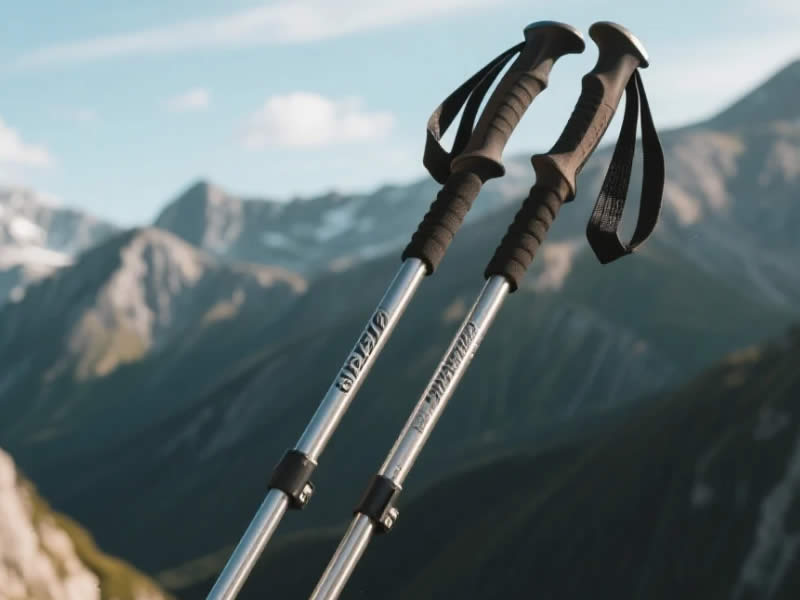
1. What is titanium, and why use it for poles?
Titanium is a metal known for its excellent strength‑to‑weight ratio, corrosion resistance, and durability. It is about 45% lighter than steel but nearly as strong, and it does not corrode in salt water or acidic conditions. These properties make it ideal for aerospace, medical implants, and high‑end bicycle frames – but for trekking poles, the benefits are more subtle.
Titanium poles are typically made from a titanium alloy (often Grade 5 Ti‑6Al‑4V), which is heat‑treated to achieve high strength. They are lightweight, strong, and resistant to bending and corrosion.
2. Are titanium trekking poles available in the UK?
Yes – but they are not widely stocked. You are unlikely to find titanium poles in high‑street retailers like Decathlon or Cotswold Outdoor. Instead, they are available through:
- Specialist importers – Brands like Pacerpole (some models), Cascade Mountain Tech (budget titanium), and Komperdell (limited editions) occasionally produce titanium poles. However, they are often sold as "titanium‑tipped" or "titanium‑alloy" rather than fully titanium shafts.
- Online marketplaces – Amazon UK and eBay have some unbranded titanium poles, but quality and durability are questionable.
- Second‑hand – Titanium poles occasionally appear on UKClimbing forums or Facebook groups.
3. Are they better than aluminium or carbon?
| Feature | Titanium | 7075 Aluminium | Carbon Fibre |
|---|---|---|---|
| Weight | ~230–250 g per pole | ~250–270 g | ~200–220 g |
| Strength | Very high | High | High (vertical) / brittle (side) |
| Corrosion resistance | Excellent | Good | Excellent |
| Bending resistance | High (springs back) | Moderate (bends) | High (springs back) |
| Repairability | Difficult | Easy | Very difficult |
| Cost | £200–300+ | £50–100 | £150–180 |
| Best for | Sea‑coast, corrosion‑prone areas | All‑round UK trails | Well‑maintained trails, ultralight |
4. The case for titanium – where it excels
- Corrosion resistance – Titanium does not corrode in salt water or acidic environments. For walkers on coastal paths (South West Coast Path, Pembrokeshire), this is a genuine advantage over aluminium, which can corrode if not rinsed.
- Strength – Titanium is stronger than aluminium on a weight‑for‑weight basis. A titanium pole can be thinner and lighter than an aluminium pole of equivalent strength.
- Durability – Titanium is resistant to bending and fatigue. It can withstand repeated heavy use without failing.
- Longevity – A titanium pole can last for decades if not abused, making it a potential "buy‑for‑life" item.
5. The case against titanium – why it is not 'better' for most walkers
- Cost – At £200–300+, titanium poles are 3–4 times the price of a high‑quality aluminium pole like the Leki Makalu (£90–100). The performance gain is marginal – you will not walk noticeably better or faster.
- Weight – Carbon fibre is lighter (220 g per pole) than titanium (230–250 g) and cheaper. If weight is your priority, carbon wins.
- Repairability – Titanium is difficult to repair in the field. If a section bends (though it is rare), you cannot straighten it easily. Aluminium bends can often be straightened; carbon is not repairable at all.
- Availability – Spare parts (tips, locks, baskets) are virtually non‑existent for titanium poles in the UK. If a part fails, you may need to import it or replace the entire pole.
6. Who should buy titanium poles?
- Coastal walkers – If you walk regularly on salt‑sprayed coastal paths, titanium's corrosion resistance is a genuine benefit.
- Gear collectors – If you appreciate the material and want a premium, durable pole.
- Walkers who keep gear for decades – Titanium is a "buy‑once, keep‑forever" material if looked after.
- Those with specific health concerns – Titanium is hypoallergenic, which may be relevant for walkers with metal allergies.
7. Who should avoid titanium poles?
- Budget‑conscious walkers – The cost is prohibitive for most.
- Walkers on rocky terrain – Carbon is lighter and aluminium is more forgiving; titanium's marginal strength gain is not worth the cost.
- Walkers who lose or damage gear – Titanium is an expensive loss if you are prone to dropping or leaving poles behind.
- Most UK walkers – For the typical mixture of muddy moorland, grassy hills, and rocky fells, 7075 aluminium offers the best value and durability.
8. Practical alternatives
- Aluminium (7075) – The best all‑rounder for UK trails. Affordable, durable, and field‑repairable.
- Carbon fibre – The lightest option, ideal for ultralight backpacking on well‑maintained trails.
- Steel‑tipped aluminium – Leki Makalu and Black Diamond Trail Back use steel lower sections for abrasion resistance – a practical compromise.
9. Final verdict
Titanium trekking poles are available in the UK but are not 'better' for most walkers. They offer excellent corrosion resistance, high strength, and longevity, but the high cost, limited availability, and lack of repairability make them a niche product. For the vast majority of UK walkers, 7075 aluminium poles (with lever locks and replaceable tips) offer the best balance of price, durability, and repairability. If you walk primarily on coastal paths or want a long‑lasting, premium pole, titanium is a viable but expensive choice. Otherwise, stick with aluminium – it is more than good enough for British trails.




