




What is the average weight of a good pair of lightweight trekking poles?
The average weight of a good pair of lightweight trekking poles is around 450–550 grams (approximately 1–1.2 lbs) for aluminium models, and 280–440 grams for ultralight carbon fibre options. The Decathlon Forclaz MT900 (one of the UK's most popular poles) weighs ~500 g per pair, while the Leki Micro Vario Carbon drops to ~440 g and the Black Diamond Distance Carbon Z to ~280 g. Heavier-duty aluminium poles like the Leki Makalu come in at ~540 g. Weight alone isn't everything – locking reliability, grip comfort, and durability matter more. A 500 g pair with lever locks and replaceable tips offers excellent value for most UK trails. This article explores what weight means in practice, the trade‑offs, and how to choose the right balance for your walking style.
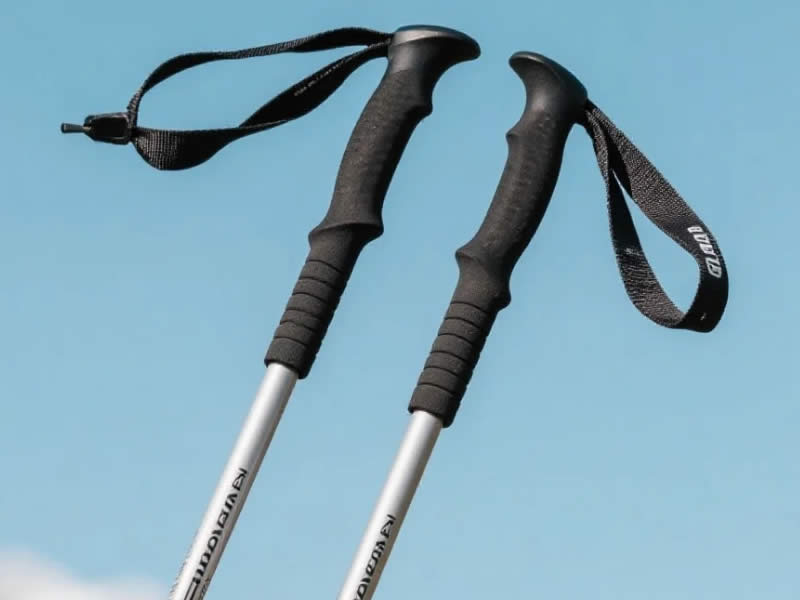
1. What does "lightweight" mean for trekking poles?
In the trekking pole market, weight categories generally fall into three ranges:
- Ultralight – Under 350 g per pair. Carbon fibre folding poles (e.g., Black Diamond Distance Carbon Z at ~280 g). Ideal for fastpacking, trail running, and ultralight backpacking on well‑maintained trails. The trade‑off is reduced durability and higher cost.
- Lightweight – 350–550 g per pair. This is the sweet spot for most UK walkers. Aluminium folding or telescoping poles with lever locks, cork grips, and replaceable tips. Examples: Leki Micro Vario Aluminium (~500 g), Decathlon Forclaz MT900 (~500 g), Black Diamond Trail Back (~530 g). They offer a good balance of weight, durability, and comfort.
- Standard/Heavy‑duty – Over 550 g per pair. Usually aluminium telescoping poles with steel lower sections (e.g., Leki Makalu at ~540 g). Built for rugged terrain, heavy loads, and long‑term durability. Heavier, but more robust and repairable.
2. Why weight matters – and why it doesn't
- Arm fatigue – Over a long day's walking, a heavier pole requires more effort to swing. The cumulative effect can cause shoulder and arm fatigue. This is more noticeable on flatter terrain where you are planting the pole continuously.
- Carrying when not in use – If you often stow your poles (e.g., on steep scrambles or during road sections), the weight difference becomes more noticeable when the poles are strapped to your pack.
- However – For most UK walks, the difference between a 440 g carbon pair and a 540 g aluminium pair is marginal. The extra 100 g is less than the weight of a full water bottle. Durability, locking reliability, and grip comfort are often more important than saving a few grams.
3. Where the weight comes from
- Material – Carbon fibre is lighter than aluminium. A carbon pole typically weighs 20–30% less than a similar aluminium pole.
- Locking mechanism – Twist locks are lighter than lever locks, but less reliable in wet conditions. Lever locks add a small weight penalty (around 10–20 g per pole) for the mechanical clamp.
- Lower section – Steel ferrule (on the Leki Makalu) adds weight but improves abrasion resistance on rocky terrain. All‑aluminium lower sections are lighter.
- Grip material – Cork is slightly heavier than foam, but provides better grip when wet.
- Folding vs telescoping – Folding poles (Z‑poles) are often lighter because they use thinner‑walled tubes and fewer mechanical parts. However, they are more fragile.
4. Average weight by category – examples
| Category | Model | Weight (per pair) | Material | Locking |
|---|---|---|---|---|
| Ultralight | Black Diamond Distance Carbon Z | ~280 g | Carbon | Push‑button (folding) |
| Ultralight | Leki Micro Vario Carbon | ~440 g | Carbon | SpeedLock Plus (folding) |
| Lightweight | Decathlon Forclaz MT900 | ~500 g | 7075 Aluminium | Cam lock (telescoping) |
| Lightweight | Leki Micro Vario Aluminium | ~500 g | 7075 Aluminium | SpeedLock Plus (folding) |
| Lightweight | Black Diamond Trail Back | ~530 g | 7075 Aluminium | FlickLock (telescoping) |
| Heavy‑duty | Leki Makalu | ~540 g | 7075 Aluminium | SpeedLock Plus (telescoping) |
5. What weight is "good" for different uses?
- Day walks on gentle terrain – Any weight under 550 g is fine. Weight is less critical because you are not using the poles for hours continuously.
- Long‑distance backpacking – Aim for under 500 g per pair to reduce cumulative fatigue. A 500 g pair with lever locks and replaceable tips is ideal.
- Ultralight backpacking or trail running – Under 400 g per pair. Carbon folding poles are the best option, but accept the reduced durability.
- Rugged, rocky terrain – Weight is less important than durability. 540 g aluminium poles with steel lower sections (Leki Makalu) are a better choice than ultralight carbon.
6. The trade‑off: weight vs. durability
The lightest poles (under 350 g) are usually carbon fibre folding poles. They are excellent for gentle trails, but on rocky UK fells they can splinter on side impacts. Aluminium poles (500–550 g) are more forgiving – they bend but rarely break, and you can often straighten a bent section in the field. For most UK walkers, the extra weight of aluminium is a fair trade‑off for durability and repairability.
7. Does weight affect knee protection?
No – the knee‑saving effect of trekking poles comes from load transfer through wrist straps and correct planting technique, not from the weight of the pole. A heavier pole does not protect your knees any less than a lighter one. The weight difference only affects your arms and shoulders.
8. Final verdict
The average weight of a good pair of lightweight trekking poles is around 450–550 grams for aluminium models, and 280–440 grams for carbon fibre options. A 500 g pair with lever locks, cork grips, and replaceable tips (like the Decathlon Forclaz MT900) is the sweet spot for most UK walkers – it offers a balance of weight, durability, and comfort that suits the majority of trails. If you are an ultralight backpacker on well‑maintained paths, carbon poles under 400 g are a luxury upgrade. For rugged terrain, accept the weight of a robust aluminium pole (around 540 g) for peace of mind. Weight matters, but durability and locking reliability are equally important. Choose the pole that fits your terrain and walking style – and you'll find the right weight for you.




