




How important are adjustable and padded wrist straps?
Adjustable, padded wrist straps are critically important – they are the primary interface between you and your poles. They transfer your body weight into the strap (not your grip), reducing hand fatigue, improving control, and preventing the pole from dropping if you slip. A well-adjusted strap also helps you maintain a secure connection, especially on uneven terrain or when using poles for balance. In short, they are a key safety and comfort feature, not just an afterthought. This article explains why straps matter, how to adjust them, and what to look for in a good strap system.
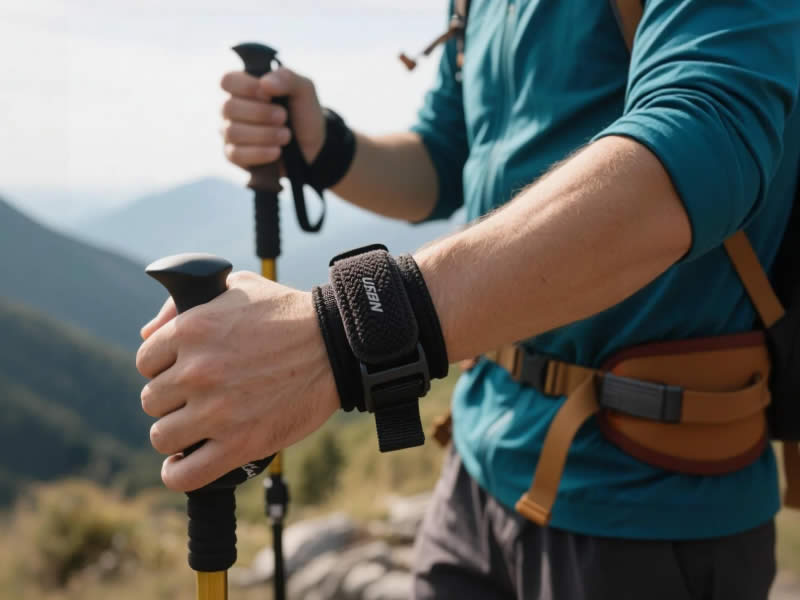
1. The role of the strap – load transfer, not grip
Most walkers grip the pole handle tightly, thinking that is how you transfer force. In reality, the strap should bear the load. When correctly adjusted, the strap sits across the base of your palm, transferring your weight directly to the pole shaft. Your hand can then remain relaxed, reducing forearm fatigue and preventing blisters. This is the single most important technique for efficient pole use.
- Without a good strap – You grip the handle tightly, your forearm muscles tire, and you lose efficiency.
- With a good strap – You relax your grip, the strap does the work, and you walk longer with less fatigue.
2. Why adjustability matters
A strap that is too loose slips down your hand, forcing you to grip harder to keep the pole in position. A strap that is too tight restricts blood flow, causing numbness or tingling. Adjustable straps allow you to fine‑tune the fit for your hand size, glove thickness, and the terrain.
- On ascents – You may want the strap slightly looser to allow you to choke up on the grip.
- On descents – You may want it tighter to provide a secure connection for braking.
- In winter – You need room for gloves or mittens.
3. Why padding matters
Padded straps distribute the load across a wider area of your hand, reducing pressure points and chafing. On a long day's walking, the difference between a padded and unpadded strap is significant.
- Reduced chafing – Soft, padded material prevents the strap from digging into your hand.
- Better comfort – Padding absorbs shock and vibration, especially on hard descents.
- Longer walking – With a padded strap, you can walk longer without discomfort.
4. Strap material – what works best
- Nylon webbing – Strong, durable, and quick‑drying. The most common material.
- Padded foam or neoprene – Used on premium straps for extra comfort.
- Leather – Traditional, but can become stiff when wet.
- Silicone or rubber – Some straps have silicone grips to prevent slipping.
For UK conditions, nylon with a soft, padded inner lining is the best choice – it dries quickly, resists odour, and provides good comfort.
5. Different strap systems
- Traditional loop straps – A simple adjustable loop that goes around your wrist. Found on most poles. Functional but requires adjustment.
- Trigger straps (Leki) – A quick‑release clip system that attaches to a padded strap across your hand. Faster to adjust and more secure. Popular on high‑end Leki poles.
- Quick‑release straps (Nordic walking) – A glove‑like system that allows you to release the pole completely on the backswing. Not common on trekking poles.
6. How to adjust your strap correctly
- Slip your hand up through the strap from underneath.
- Rest the strap across the base of your palm (the fleshy part above your wrist).
- Hold the grip – your hand should be relaxed, fingers lightly curled.
- Adjust the strap so it is snug but not tight. You should be able to slide a finger between the strap and your wrist.
- Test – Put weight on the pole. The load should transfer through the strap, not your grip.
7. Common strap mistakes
- Strap too loose – The pole slips, and you grip harder to compensate.
- Strap too tight – Restricts blood flow, causing numb hands.
- Strap over the wrist, not the palm – Reduces load transfer and increases fatigue.
- Wearing gloves with a loose strap – Thick gloves can make a snug strap too tight.
8. Maintenance tips
- Rinse after muddy walks – Dirt can stiffen the strap and degrade the material.
- Check for fraying – Replace the strap if the webbing is frayed or the padding is worn.
- Adjust before each walk – Your hand size may change with temperature and glove thickness.
9. Final verdict
Adjustable, padded wrist straps are critically important for comfort, control, and injury prevention. They transfer your weight into the strap, not your grip, reducing hand fatigue and allowing a relaxed hold. A well‑adjusted strap also helps you maintain a secure connection if you slip, and prevents the pole from dropping. Padded straps reduce chafing and pressure points, especially on long days. Choose straps that adjust easily and fit snugly across the base of your palm. When buying poles, pay attention to the strap system – it can make as much difference to your walking comfort as the grip or the shaft material. A good strap is a small feature with a big impact on your walking experience.




