




What is the best trekking pole for people with carpal tunnel syndrome?
For people with carpal tunnel syndrome (CTS), the best trekking poles are those that minimize wrist extension, reduce impact vibration, and transfer load through the strap rather than the grip. Look for ergonomic angled grips (e.g., Pacerpole) that keep your wrist in a neutral, handshake position, relieving pressure on the median nerve. Shock-absorbing models with internal springs (e.g., Leki with DSS) can reduce the jarring impact transmitted to your wrist on descents. Padded trigger straps (Leki's system) let you push through the strap, not your grip, significantly reducing the need to grip tightly—a major factor in CTS flare-ups. Avoid rigid, straight grips that force your wrist into extension. The Pacerpole (hand-specific angle) is often the top recommendation, but the Leki Makalu with trigger strap and Black Diamond Trail Pro are also excellent. Always test before buying – wrist comfort is highly individual.
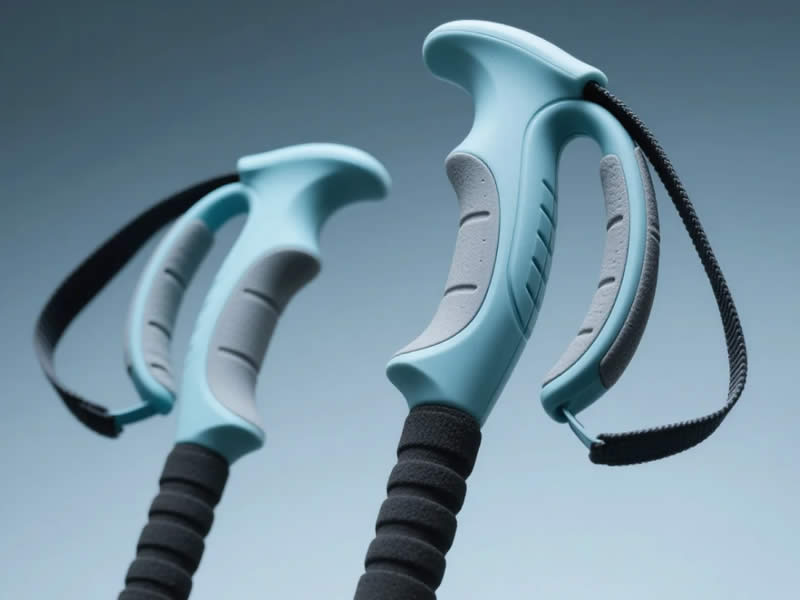
1. Understanding carpal tunnel syndrome and trekking poles
Carpal tunnel syndrome is caused by compression of the median nerve as it passes through the carpal tunnel in your wrist. Activities that involve repetitive wrist flexion, extension, or gripping can aggravate symptoms. Using trekking poles with poor ergonomics can trigger numbness, tingling, or pain in your hand and forearm.
Traditional straight‑grip poles force your wrist into a slightly extended position (bent back) when you push down, compressing the carpal tunnel. The repetitive impact of planting the pole also transmits shock through your wrist.
2. Key features to look for
a. Angled/ergonomic grips – Poles like the Pacerpole have a fixed 15° angle that keeps your wrist in a neutral, handshake position. This reduces pressure on the median nerve and allows your forearm muscles to work more efficiently. Other brands (e.g., Leki's ergonomic grips on some models) offer a similar but less pronounced angle.
b. Shock absorption – Internal springs (e.g., Leki's DSS system) absorb a fraction of the impact when you plant the pole, reducing the jarring force transmitted to your wrist. While not a cure, it can significantly reduce discomfort on rocky descents.
c. Load‑transferring straps – Trigger straps (Leki's quick‑release system) or well‑padded traditional straps allow you to push through the strap rather than gripping the handle. Your hand can remain relaxed, and the strap bears your weight. This is arguably the most important feature for CTS sufferers.
d. Lightweight construction – A lighter pole reduces the effort required to lift and swing it, decreasing overall fatigue and strain on your wrist. Carbon fibre poles are ideal, though aluminium is acceptable.
3. Top recommendations
| Model | Key feature | Best for |
|---|---|---|
| Pacerpole | Angled, hand‑specific grip | Wrist‑neutral position; CTS sufferers |
| Leki Makalu with Trigger Strap | Trigger strap, shock‑absorbing option | Load transfer through strap; all‑round durability |
| Leki Micro Vario Carbon | Lightweight, trigger strap, folding | Ultralight walking; reduced swing weight |
| Black Diamond Trail Pro | Ergonomic foam grip, shock‑absorbing | Comfortable grip; dampens impact |
4. What to avoid
- Straight, rigid grips – Force wrist extension.
- Twist‑lock poles – Require twisting force to adjust, which can aggravate CTS.
- Heavy poles – Increased swing weight fatigues wrist and forearm.
- Poles without wrist straps – Force you to grip tightly.
5. Tips for using poles with CTS
- Adjust strap correctly – The strap should sit across the base of your palm, not your wrist. Your grip should be relaxed.
- Use a relaxed grip – Imagine holding a butterfly. The strap does the work.
- Shorten poles on ascents – Reduces wrist extension.
- Lengthen on descents – Allows a more neutral wrist position when braking.
- Wear gloves – Padded cycling or trekking gloves provide additional cushioning and reduce grip force.
- Stretch your wrists – Before and after walking, do gentle wrist flexor and extensor stretches.
6. Final verdict
For people with carpal tunnel syndrome, the Pacerpole is often the best choice due to its angled grip that keeps the wrist in a neutral position. If you prefer a more traditional pole, choose a model with a trigger strap (Leki) and shock absorption to reduce impact. Avoid straight, rigid grips and heavy poles. Test the poles with your typical walking motion before buying, and consult a physiotherapist for personalised advice. With the right poles, you can continue to enjoy walking without aggravating your symptoms.




