




How to fix a stuck trekking pole section that won't close?
A stuck trekking pole section—one that won't collapse or slide closed—is a common problem, usually caused by mud, grit, a slight bend, or a seized locking mechanism. Before you panic or use excessive force, try a systematic approach. Here is a step‑by‑step guide to freeing a stuck section without damaging your poles.
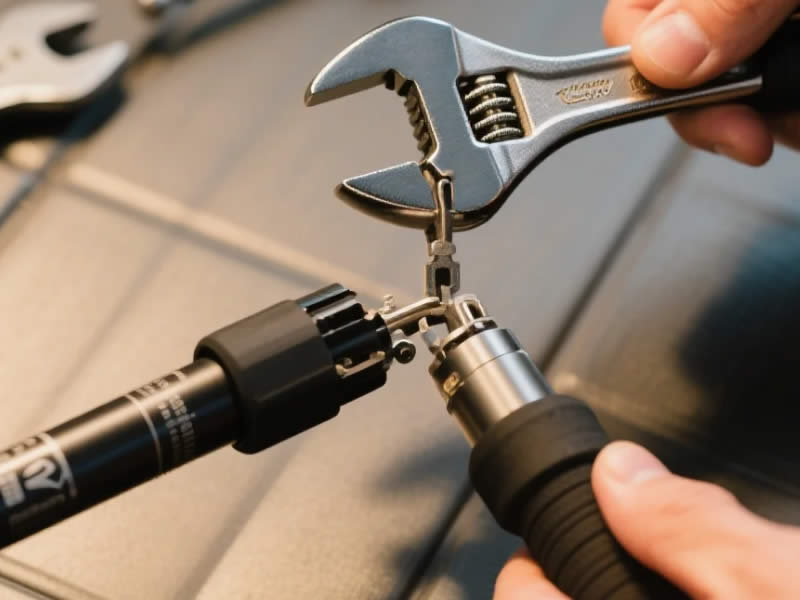
1. Identify the cause
Before you attempt any fix, work out why the section is stuck. The most common causes are:
- Mud or grit – Fine particles have worked their way into the joint, creating a friction lock.
- Dried mud – Mud that has dried inside the joint acts like glue.
- A slight bend – The lower section may be slightly bent, causing it to bind.
- Seized locking mechanism – The internal expander (on twist locks) or the lever lock (on cam locks) may be jammed.
- Corrosion – Salt or moisture has caused the aluminium surfaces to oxidise and stick.
2. Tools you will need
- Cold water (for rinsing)
- Soft brush (old toothbrush)
- Silicone spray or a light penetrating lubricant (not WD‑40)
- Rubber grip (a rubber band, jar‑opener pad, or rubber glove) for extra traction
- Soft cloth
- A piece of wood (for tapping)
3. Step‑by‑step procedure
a. Rinse with cold water – Flush the joint with cold water to remove any loose grit or mud. Open the lever lock (if fitted) and direct the water into the joint. For twist locks, twist the section while rinsing to help work the water into the threads. Hot water can cause expansion and may make the situation worse—use cold water.
b. Twist gently – For twist‑lock poles, twist the stuck section back and forth gently while pulling. The twisting motion can help break the seal of dried mud or grit. Do not force it—excessive twisting can damage the threads.
c. Open the lever lock and wiggle – For lever‑lock poles, open the lever fully and wiggle the stuck section. The lever lock clamps the sections together; when open, the sections should be free to move. If it is still stuck, the issue is likely mud or a bend.
d. Apply light lubricant – Apply a small amount of silicone spray or a light penetrating lubricant to the joint. Let it sit for 5–10 minutes. The lubricant will help break the bond of dried mud or corrosion. Wipe off any excess—excess lubricant can attract dirt.
e. Use a rubber grip – Wrap a rubber band, a jar‑opener pad, or a rubber glove around the stuck section for extra grip. This will help you get a better hold without scratching the shaft. Twist and pull gently.
f. Tap gently – If the section is still stuck, tap the joint gently against a piece of wood (not rock). The shock can help break the bond. Hold the pole horizontally and tap the joint against the wood while rotating the pole. Do not hit the pole directly on a hard surface—this can dent or bend the shaft.
4. If the section is bent
If the section is slightly bent, it may be binding in the joint. You can straighten it by:
- Rolling – Place the bent section on a flat, hard surface (e.g., a wooden workbench) and roll it under your palm or a smooth, flat object (like a rolling pin). Apply firm, even pressure. Check the straightness by rolling the section and observing any wobble.
- Tapping – For a more stubborn bend, place the section on a flat piece of wood and tap it gently with a rubber mallet.
5. If the locking mechanism is seized
- Twist locks – If the internal expander is seized, soak the lower section in warm (not hot) soapy water for 10 minutes to dissolve the grime. Rinse thoroughly, then dry. Apply a drop of silicone spray to the threads and try again.
- Lever locks – If the lever lock cam is jammed, rinse it thoroughly with water. Open and close the lever repeatedly while rinsing. If it is still stiff, a drop of silicone spray on the cam pivot will free it.
6. What to avoid
- Do not use pliers or metal tools directly on the shaft – They will scratch or dent the aluminium.
- Do not use excessive force – If it does not move after reasonable effort, the section may be permanently jammed. Forcing it can bend or break the pole.
- Do not use WD‑40 – It is a solvent, not a lubricant, and will leave a sticky residue that attracts dirt.
- Do not use heat – Heating the pole can damage the anodised finish and weaken the aluminium.
7. If all else fails – professional help
If the section is still stuck, or if the pole is severely bent or the internal mechanism is broken, the pole may need professional attention. Many outdoor shops (e.g., Decathlon, Cotswold Outdoor, Go Outdoors) can help with repairs or can order spare parts. Alternatively, contact the manufacturer—Leki and Black Diamond both have excellent UK service centres.
8. Prevention – avoiding stuck sections
- Clean your poles after muddy walks – Mud and grit are the main culprits. Rinse and dry your poles after every muddy hike.
- Store poles collapsed but with locks loosened – This relieves pressure on the internal components.
- Lubricate locks occasionally – A tiny drop of silicone spray on the lever lock cams or twist‑lock threads will keep them smooth.
- Check for bends – After a heavy fall or a hard plant, check the lower sections for straightness.
9. Final verdict
A stuck trekking pole section is frustrating, but it is almost always fixable with patience and the right approach. Start by rinsing, then try gentle twisting, lubricating, and tapping. Avoid using excessive force or tools that could damage the pole. If the section is bent, straighten it carefully. For severe cases, seek professional help or replacement parts. With regular cleaning and maintenance, you can prevent this problem from occurring in the first place, keeping your poles in good working order for many miles of walking.




