




How to replace worn out trekking pole baskets (mud/snow)?
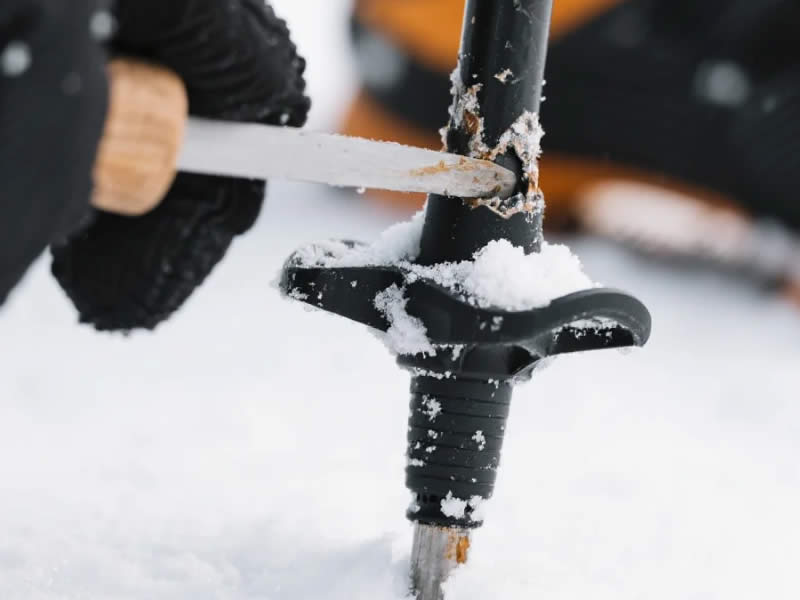
Replacing worn or damaged trekking pole baskets is one of the simplest and most cost‑effective maintenance tasks you can do. Baskets—the small plastic discs fitted just above the tip—prevent your poles from sinking into soft ground, mud, or snow. A cracked or missing basket can ruin your rhythm, exhaust your arms, and compromise stability on boggy or snowy terrain. The replacement process takes just a few minutes and requires no special tools. Here is a comprehensive guide to identifying, removing, and fitting new baskets, along with advice on compatibility and where to buy replacements in the UK.
1. Why baskets wear out
Baskets are made of plastic or nylon and are subjected to constant abrasion from rocks, gravel, and hard ground. Over time, they can crack, chip, or wear thin at the edges. Snow baskets (larger) can also become brittle in cold conditions. A damaged basket may no longer clip securely onto the shaft, or it may fail to prevent the pole from sinking into soft ground.
2. Identifying your basket type
Before you buy new baskets, you need to know which type your pole uses. There are two main types:
- Snap‑on (push‑fit) baskets – The most common type. These clip onto a groove or ridge on the lower shaft. They are held in place by friction and a small lip that clicks into the groove. Found on most Decathlon, Black Diamond, and many Leki poles.
- Threaded (screw‑on) baskets – Less common. These screw onto threads on the lower shaft. Found on some Leki models and a few others.
Check your pole's shaft for a visible groove (snap‑on) or threads (screw‑on). If you are unsure, consult the manufacturer's website or the pole's packaging.
3. Removing the old basket
a. Snap‑on baskets – Grip the basket firmly with your fingers. Twist it slightly (about 10–20°) while pulling it down towards the tip. It should pop off. If it is stuck, a small amount of warm soapy water can help loosen it. Do not use pliers – you may damage the basket or the shaft.
b. Threaded baskets – Turn the basket counter‑clockwise (anticlockwise) to unscrew it. If it is stiff, a drop of penetrating oil (e.g., WD‑40) on the threads can help. Wipe the threads clean after removal.
4. Cleaning the shaft
Before fitting the new basket, clean the groove or threads on the shaft. Use a cloth or a small brush to remove any mud, grit, or old threadlock. A clean surface ensures a secure fit.
5. Fitting the new basket
a. Snap‑on baskets – Align the new basket with the groove on the shaft. Push it firmly upwards until you hear or feel a click. The basket should sit snugly against the ferrule (the metal collar above the tip). Test it by giving it a firm tug – it should not slide up the shaft.
b. Threaded baskets – Screw the new basket onto the threads clockwise. Tighten it snugly, but do not over‑tighten – you could strip the threads or crack the basket.
6. Compatibility – getting the right size
Baskets are not universal. You need to match the basket to your pole's shaft diameter (typically 10 mm, 11 mm, or 12 mm) and the type of fitting (groove or thread). Many brands have proprietary basket designs – a Leki snow basket may not fit a Black Diamond pole, and vice versa.
- Measure your shaft – Use a caliper or a ruler to measure the diameter of the shaft just above the tip.
- Check the brand – If you have a Leki, Black Diamond, or Decathlon pole, buy baskets from the same brand for a guaranteed fit.
- Check the groove – Some poles have a groove; others have a smooth section with a ridge. Ensure the basket is designed for your pole's fitting type.
7. Where to buy replacement baskets in the UK
- Decathlon – Forclaz baskets, available in stores and online. Good for 10‑12 mm shafts.
- Adventure Sport – Leki and Black Diamond genuine baskets, available online and in‑store.
- Amazon UK – A wide range of generic and branded baskets. Check reviews and compatibility.
- Go Outdoors / Cotswold Outdoor – May stock branded baskets for common pole models.
8. Mud baskets vs. snow baskets
- Mud baskets – Smaller (about 4‑5 cm diameter), designed to prevent sinking into soft mud or soil. They are lightweight and don't catch on vegetation.
- Snow baskets – Larger (7‑10 cm diameter), designed to prevent sinking into deep snow. They are wider to provide floatation.
If you walk in both summer and winter, consider buying a set of each and swapping them as the season requires.
9. Maintenance tips
- Carry spares – On long‑distance treks, a spare pair of baskets takes up almost no space and can save your walk if one breaks.
- Check baskets regularly – Before a big walk, inspect your baskets for cracks or wear. Replace them if they are damaged.
- Clean after muddy walks – Mud and grit can abrade the basket edges; a quick rinse extends their life.
- Store separately – If your poles have removable baskets, take them off when travelling to prevent them from getting bent or cracked in luggage.
10. Final verdict
Replacing worn out trekking pole baskets is a simple, quick task that anyone can do. Identify your basket type (snap‑on or threaded), remove the old one, clean the shaft, and fit the new one. Pay attention to compatibility – shaft diameter and fitting type are key. Keep a spare pair in your repair kit, and check them regularly for wear. With a few minutes of care, your poles will continue to perform well on mud, snow, and everything in between.




