




How to choose trekking poles for arthritis in the hands and wrists?
For people with arthritis in the hands and wrists, choosing the right trekking poles can make the difference between a painful struggle and an enjoyable, pain‑free walk. The key is to reduce grip force, minimise impact vibration, and keep the wrist in a neutral position. Look for ergonomic/angled grips, shock absorption, and lightweight construction. Here is a comprehensive guide to choosing poles that will protect your hands and wrists.
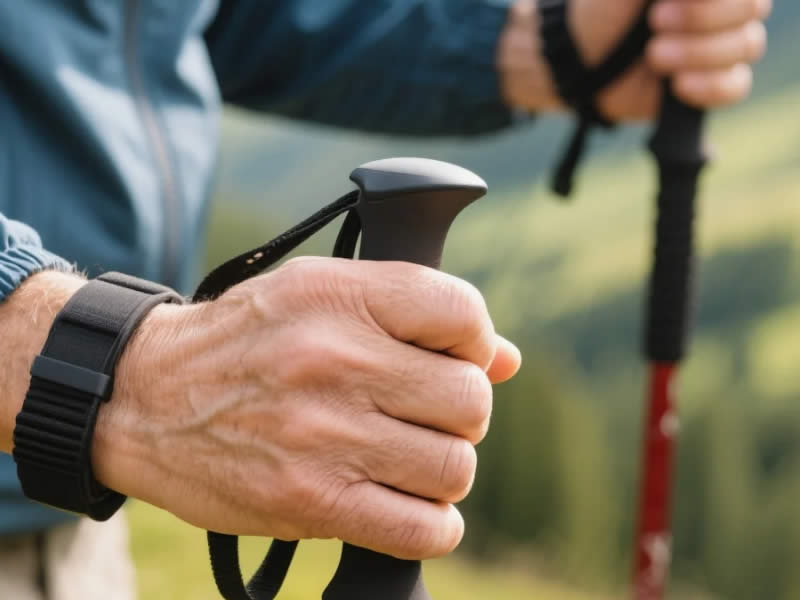
1. Why arthritis makes ordinary poles uncomfortable
Arthritis—whether osteoarthritis or rheumatoid—causes inflammation, pain, and stiffness in the joints. The small joints of the hands and wrists are particularly vulnerable. Using standard trekking poles with straight, rigid grips can force your wrist into an extended position (bent back), compressing the carpal tunnel and aggravating symptoms. The impact of planting the pole can send jarring vibrations through your hands and wrists. Gripping the handle tightly can cause further pain and fatigue.
2. Key features to look for
a. Ergonomic/angled grips – The most important feature for arthritis is a grip that keeps your wrist in a neutral, handshake position. The Pacerpole is the best-known example, with a fixed 15° angle that aligns your wrist and forearm. This reduces pressure on the median nerve, which can help prevent or reduce carpal tunnel symptoms. Other brands (e.g., Leki, Black Diamond) offer slightly angled grips, but the Pacerpole is the most pronounced.
b. Shock absorption – Internal springs or elastomer inserts (e.g., Leki's DSS system) absorb a fraction of the impact when you plant the pole. This reduces the jarring vibration transmitted to your hands and wrists. Not essential, but beneficial on hard, rocky ground.
c. Padded trigger straps – The Leki trigger strap system is a significant advantage for arthritis sufferers. It allows you to push through the strap rather than gripping the handle. Your hand remains relaxed, and the strap transfers your weight. This reduces the need to grip tightly, which is a major source of hand pain. Look for padded straps that are comfortable against your hand.
d. Cork grips – Cork grips are softer than rubber and conform to your hand shape over time. They become tacky when damp, providing a secure hold without needing to grip tightly. They are also naturally antimicrobial and resist odor.
e. Lightweight construction – A lighter pole reduces the effort required to lift and swing it, decreasing overall strain on your hands and wrists. Carbon fibre poles are the lightest, but 7075 aluminium is a good balance of weight and durability.
3. What to avoid
- Straight, rigid grips – They force wrist extension and increase pressure on the carpal tunnel.
- Twist‑lock mechanisms – Require twisting force to adjust, which can aggravate wrist pain.
- Heavy poles – Increased swing weight fatigues your hands and wrists.
- Poles without wrist straps – Force you to grip tightly.
- Narrow grips – Can cause cramping in the fingers.
4. Top recommendations
- Pacerpole – Angled, hand‑specific grips. Excellent for wrist‑neutral position and for those with carpal tunnel or arthritis.
- Leki Makalu with Trigger Strap – Cork grips, trigger strap, shock‑absorbing option. Reliable and comfortable.
- Leki Micro Vario Carbon – Lightweight, trigger strap, cork grips. Good for longer walks.
- Black Diamond Trail Pro – Ergonomic foam/cork grip, shock‑absorbing, comfortable.
5. Tips for using poles with arthritis
- Loosen your grip – Let the strap do the work. Your fingers should be lightly curled, not clenched.
- Use a relaxed rhythm – A smooth, alternating rhythm reduces impact.
- Wear gloves – Padded cycling or trekking gloves provide additional cushioning and reduce grip force.
- Stretch – Before and after walking, do gentle wrist flexor and extensor stretches.
- Start with short walks – Build up gradually to avoid overdoing it.
6. When to consult a professional
If you have significant arthritis in your hands and wrists, it is advisable to consult an occupational therapist or physiotherapist before buying poles. They can advise on the correct grip type and technique, and may recommend other aids (e.g., wrist splints) to use alongside poles.
7. Final verdict
For people with arthritis in the hands and wrists, the best trekking poles are those with ergonomic angled grips, shock absorption, and lightweight construction. The Pacerpole is the top choice for wrist‑neutral position, while the Leki Makalu with trigger strap offers excellent load transfer through the strap and reliable shock absorption. Cork grips, padded straps, and lightweight materials are all important. Avoid straight, rigid grips and twist locks. Always test the poles in a shop before buying, and consider consulting a therapist for personalised advice. With the right poles and technique, you can continue to enjoy walking without unnecessary pain.




