




What is the most corrosion‑resistant trekking pole material for coastal hikes?
For coastal hikes, the most corrosion‑resistant material is titanium, but it is rare and expensive in Brazil. Titanium is highly resistant to saltwater corrosion, making it ideal for coastal trails. However, for most Brazilian hikers, 7075 aluminium with an anodised finish offers good corrosion resistance at a practical price. Carbon fibre can degrade over time in salt spray, and steel components require regular maintenance to prevent rust. For Brazilian coastal hikes, the Decathlon Forclaz MT900 (7075 aluminium, anodised) offers good corrosion resistance at a practical price. Rinse after every walk to remove salt, dry thoroughly, and lubricate locks. For the best protection, rinse and dry your poles after every coastal walk.
1. Corrosion – the coastal challenge
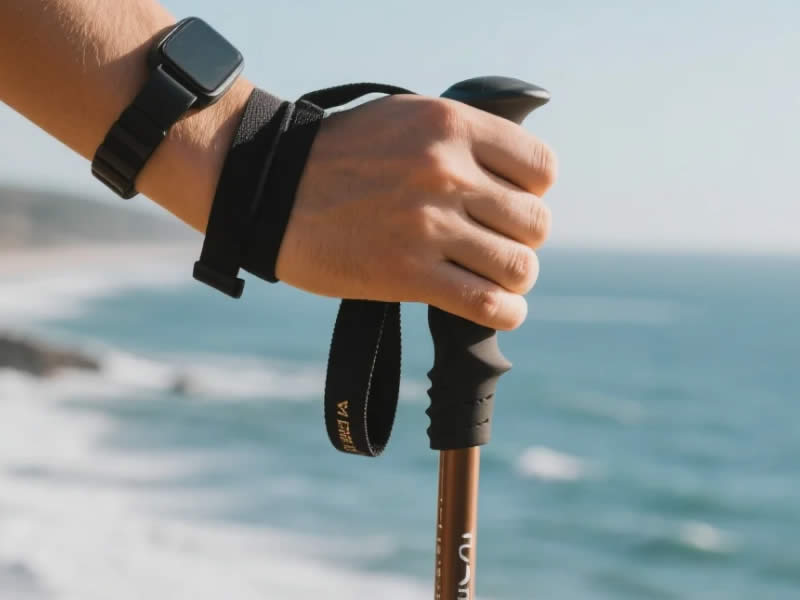
Coastal hiking is tough on trekking poles. Salt spray, moisture, and sand create a corrosive environment that can damage metal components. Aluminium can corrode, steel can rust, and carbon fibre's resin can degrade. Corrosion can weaken the shaft, seize locks, and reduce the life of your poles.
2. Materials compared
a. Titanium – The most corrosion‑resistant material. Titanium forms a protective oxide layer that is highly resistant to saltwater. It is strong, lightweight, and durable. However, it is rare in Brazil, expensive (R$1,000+), and spare parts are unavailable.
b. 7075 aluminium (anodised) – The best practical choice. Anodising is an electrochemical process that thickens the natural oxide layer, making the aluminium more resistant to corrosion. Most quality aluminium poles have an anodised finish. The Decathlon Forclaz MT900 and Leki Makalu are examples. Anodised aluminium is resistant to salt spray, but it is not immune – regular rinsing is still required.
c. Carbon fibre – Resin can degrade over time in salt spray and UV exposure. The resin is the weak link – moisture can penetrate and cause delamination. Carbon poles require careful maintenance and are not ideal for frequent coastal use.
d. Steel components – Steel ferrules, screws, and springs are prone to rust. Regular wiping with an oily rag is essential to prevent rust.
3. How to protect your poles on coastal hikes
- Rinse after every walk – Fresh water removes salt. A quick rinse at the end of the day is essential.
- Dry thoroughly – Extend the poles and leave them in a well‑ventilated area to dry. Do not store them collapsed – moisture trapped inside can cause corrosion.
- Lubricate locks – Apply a tiny drop of silicone spray to lever lock pivots. This prevents corrosion and keeps the locks smooth.
- Wipe steel parts – Steel ferrules and screws can rust. Wipe them with an oily rag (e.g., sewing machine oil) to prevent rust.
- Store in a dry place – Avoid storing poles in a damp garage or shed.
4. What about stainless steel?
Some poles use stainless steel for the tip ferrule. Stainless steel is more corrosion‑resistant than regular steel, but it is not immune to saltwater. Wiping with an oily rag is still recommended.
5. Final verdict
For Brazilian coastal hikes, the Decathlon Forclaz MT900 (7075 aluminium, anodised) offers good corrosion resistance at a practical price. For the best protection, rinse and dry your poles after every coastal walk. Titanium is the most corrosion‑resistant material, but it is rare and expensive in Brazil. Choose anodised aluminium and maintain it well – it will serve you for years on coastal trails. Happy hiking.




