




Are there trekking poles with built‑in mosquito repellent or bug protection?
No – there are no mainstream trekking poles with built-in mosquito repellent or bug protection. While a few niche or novelty products have been marketed, they are not widely available and are generally not considered reliable. The most effective protection against mosquitoes and other bugs is personal protection—treated clothing, insect repellent, and head nets. You can apply insect repellent to your hands and pole shafts, but this is a temporary solution. For mosquito-heavy areas (Brazil's Pantanal, Amazon, Atlantic Forest), combine treated clothing, repellent, and a head net. No trekking pole offers built-in bug protection, so focus on what works.
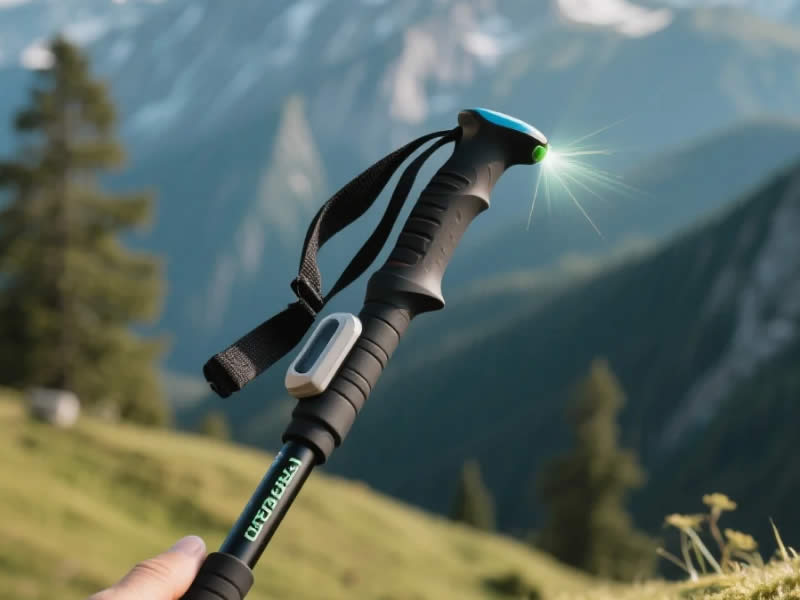
1. Why built-in mosquito repellent doesn't exist
Mosquito repellent is a chemical that needs to be applied to skin or clothing. It is not a material that can be embedded into a trekking pole handle or shaft. The technology does not exist to create a lasting, effective repellent that would survive the wear and tear of hiking. Any product claiming to have built-in repellent is likely a gimmick or a short-term treatment.
2. What about treated poles?
Some companies have experimented with insect-repellent coatings or treatments for outdoor gear. For example, Permethrin can be applied to clothing and gear, but it is not a permanent feature. You could theoretically treat your poles with Permethrin, but it would wear off quickly with use and exposure to the elements. This is not a practical solution.
3. What you can do instead
a. Apply repellent to your hands – Spray or rub insect repellent (DEET, picaridin, or natural oils) on your hands before gripping the poles. The residue can help keep bugs at bay. Reapply as needed.
b. Apply repellent to the pole shafts – Spray repellent on the shafts. The chemical smell may deter bugs from landing on the poles.
c. Wear permethrin-treated clothing – This is the most effective protection against mosquitoes and ticks. Permethrin is a synthetic insect repellent that is applied to clothing and lasts for several washes. It is far more effective than treating your poles.
d. Use a head net – Essential in high-mosquito areas (e.g., Pantanal, Amazon, Atlantic Forest). A head net covers your face and neck, providing a physical barrier.
e. Choose light-coloured clothing – Mosquitoes are attracted to dark colours. Light-coloured clothing makes you less visible to them.
4. The Amazon and Pantanal – a special case
In Brazil's mosquito-heavy regions (the Amazon, Pantanal, and Atlantic Forest), mosquitoes are a serious nuisance and can carry diseases. In these areas, you need a multi-layered approach:
- Permethrin-treated clothing – Long sleeves and trousers treated with Permethrin.
- DEET or picaridin repellent – Applied to exposed skin.
- Head net – For walking through dense vegetation.
- Trekking poles – They can help you navigate, but they are not a bug solution.
5. Trekking poles and bug protection – a summary
| Method | Effectiveness | Practicality |
|---|---|---|
| Built-in repellent poles | None | Not available |
| Repellent on hands | Moderate | Temporary |
| Repellent on poles | Low | Temporary |
| Permethrin-treated clothing | High | Very effective |
| Head net | High | Essential in some areas |
| Light-coloured clothing | Moderate | Easy to do |
6. A useful hack – the mosquito coil
Some walkers in bug-heavy areas attach a small mosquito coil to their pack or pole to create a smoky barrier. This is a traditional method used in tropical regions, but it is not a built-in feature.
7. Final verdict
There are no mainstream trekking poles with built-in mosquito repellent or bug protection. The best protection is personal protection: treated clothing, insect repellent, and a head net. Apply repellent to your hands and poles for a temporary effect, but don't rely on it. For Brazilian trails in mosquito-heavy areas, use permethrin-treated clothing, DEET or picaridin repellent, and a head net. Your poles are for walking – not for bug protection. Stay safe and enjoy the trails. Happy hiking.




