




How to prevent trekking pole corrosion and rust in humid Brazil?
Preventing corrosion in Brazil's humid conditions is simple but essential. Rinse poles with fresh water after every muddy or coastal walk, paying special attention to lever locks and tip ferrules. Extend poles fully and dry thoroughly – never store them collapsed while damp. For long-term storage, loosen all locks to relieve tension. Apply a tiny drop of silicone spray to lever lock pivots. Wipe steel components (screws, tip ferrules) with an oily rag after coastal hikes. For acidic peat stains, white vinegar removes them – rinse well afterwards. In coastal areas, rinse after every walk – salt accelerates corrosion. Keep poles in a dry, ventilated space, not a damp garage. Regular cleaning is the best corrosion prevention.
1. Why Brazil's humidity is hard on poles
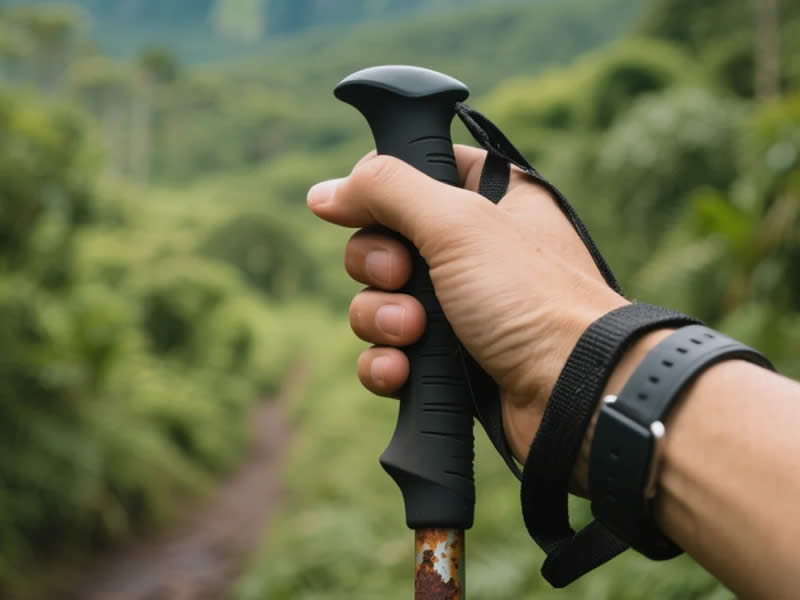
Brazil's climate is a challenge for trekking poles. The combination of high humidity, frequent rain, acidic soil (peat, leaf litter), and, in coastal areas, salt spray creates conditions that can accelerate corrosion on metal components. Aluminium is generally corrosion‑resistant because it forms a protective oxide layer, but certain conditions can compromise this layer. Steel components (screws, tip ferrules) are particularly vulnerable to rust.
2. Types of corrosion
- Surface oxidation – Aluminium naturally oxidises, forming a thin, protective aluminium oxide layer. This appears as a dull, greyish film that can be wiped off. It is harmless.
- Galvanic corrosion – Occurs when aluminium contacts a more noble metal (e.g., steel, brass) in the presence of moisture. The steel ferrule or screws can cause the aluminium to corrode preferentially, causing pitting.
- Salt corrosion – In coastal areas, salt spray accelerates corrosion. Salt acts as an electrolyte, accelerating galvanic corrosion.
- Acid corrosion – Peat and leaf litter contain acids that can attack the oxide layer on aluminium.
3. Prevention – a step‑by‑step guide
a. Rinse after every muddy or coastal walk
- Fresh water – Rinse your poles with fresh water after every walk, especially if you have been on muddy, sandy, or coastal trails. A garden hose or a tap is ideal.
- Focus on locks – Pay special attention to lever locks and twist‑lock threads. Open lever locks and rinse the mechanism.
- Avoid hot water – Hot water can soften the anodised coating and damage seals. Use cold or lukewarm water.
b. Dry thoroughly
- Extend poles – Extend the poles fully and leave them in a well‑ventilated area to dry.
- Do not store collapsed – Moisture trapped inside the sections can cause corrosion. Always dry before storing.
- Open lever locks – Leave lever locks open to allow internal surfaces to dry.
c. Lubricate moving parts
- Silicone spray – Apply a tiny drop of silicone spray to lever lock pivots. This prevents corrosion and keeps the locks smooth.
- Silicone grease – For twist‑lock threads, apply a thin layer of silicone grease.
- Avoid oil – Oil‑based lubricants attract dirt and can cause slipping.
d. Protect steel components
- Oily rag – Wipe steel ferrules and screws with an oily rag (e.g., sewing machine oil) to prevent rust.
- Check regularly – Inspect steel components for rust. If you see rust, remove it with a wire brush and apply a rust inhibitor.
e. Store in a dry place
- Indoors – Store your poles in a dry, indoor location. A cupboard or wardrobe is ideal.
- Avoid damp areas – Do not store in a garage, shed, or basement where humidity is high.
- Avoid direct sunlight – UV rays can degrade grips and plastic components.
f. Loosen locks for storage
- Relieve tension – Store your poles with lever or twist locks slightly loosened. This relieves pressure on the internal components and prevents them from seizing.
4. Additional tips for coastal areas
- Rinse after every walk – Salt is corrosive. Rinse your poles with fresh water after every coastal walk.
- Wipe steel parts – Wipe steel ferrules with an oily rag after each walk.
- Use rubber tips on road sections – To protect carbide tips from wear.
5. Removing rust and corrosion
If you find rust on your poles:
- White vinegar soak – For steel parts (screws, ferrules), soak in white vinegar for 1–2 hours, then scrub with a wire brush.
- Baking soda paste – For aluminium parts, use a paste of baking soda and water. Apply, scrub, rinse.
- Fine sandpaper – For stubborn rust on steel, use fine‑grit sandpaper (400+), then apply a rust inhibitor.
- Avoid harsh chemicals – Do not use strong acids or abrasive tools on aluminium.
6. Peat stains – a special case
Peat is notorious for leaving stubborn black or brown stains on aluminium shafts. A mild solution of washing‑up liquid and water, applied with a soft cloth, will usually remove surface stains. For more persistent marks, white vinegar (diluted) can help neutralise the acidity and lift the stain, but rinse thoroughly afterwards. Never use bleach or strong acids.
7. Final verdict
Preventing corrosion in Brazil's humid conditions is simple but essential. Rinse after every muddy or coastal walk, dry thoroughly, lubricate moving parts, and store in a dry place. Regular cleaning is the best corrosion prevention. With proper care, your aluminium poles will last for years, even in Brazil's challenging climate. Happy hiking!




