




How to store trekking poles in a humid Brazilian house to prevent damage?
In Brazil's humid climate, proper storage is essential. After cleaning and drying poles thoroughly, store them collapsed in a dry, ventilated indoor space (not a garage or damp cupboard). Loosen all lever/twist locks to relieve pressure on internal components. Apply a tiny drop of silicone spray to lever pivots and wipe steel parts with an oily rag. For long-term storage, extend poles occasionally to air internal sections. Place a small silica gel packet in your pole bag to absorb moisture. Avoid storing on concrete floors – moisture rises. With proper care, your poles will survive Brazil's humidity.
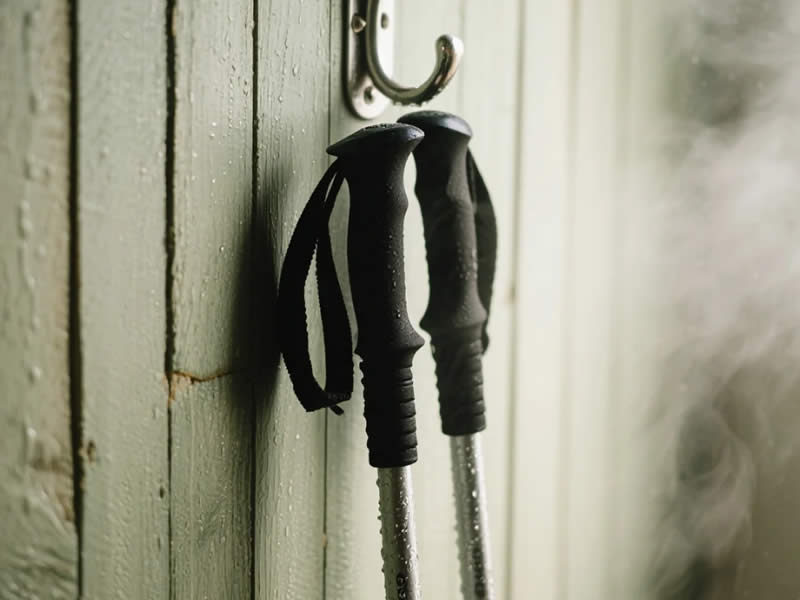
1. Why Brazilian humidity is a challenge
Brazil's high humidity – often 80–90% – is a constant challenge for outdoor gear. Trekking poles are particularly vulnerable. Moisture can cause:
- Corrosion – Rust on steel components (screws, tip ferrules).
- Pitting – The protective anodised coating on aluminium can break down.
- Mold and mildew – On grips and straps.
- Seized locks – Moisture can cause locks to become stuck or difficult to adjust.
- Faded grips – UV exposure (if stored near a window) can degrade foam and cork.
2. The storage location – where to store
- Best – A dry, indoor, ventilated space. A wardrobe, a cupboard, or a shelf in a dry room.
- Avoid – Garages, sheds, basements, or any place with damp air. Concrete floors can transmit moisture; store poles on a shelf or raised surface.
- Avoid – Direct sunlight. UV rays can degrade grips and plastic components.
- Avoid – Near windows – temperature fluctuations can cause condensation.
3. Before storing – clean and dry
Never store poles that are damp. Moisture trapped inside the sections can cause corrosion.
- Clean – Rinse after muddy walks, scrub, and dry thoroughly.
- Dry – Extend the poles fully and leave them in a well-ventilated area for several hours.
- Open locks – Leave lever locks open to allow internal surfaces to dry.
- Lubricate – Apply a tiny drop of silicone spray to lever lock pivots. Wipe steel parts with an oily rag.
4. Storage position – collapsed or extended?
- Collapsed – For space-saving, store poles collapsed.
- Extend periodically – Every few months, extend the poles and leave them extended for a few hours to air out the internal sections.
- Loosen locks – Always store with lever or twist locks slightly loosened to relieve pressure on the internal components. This prevents them from seizing.
5. Additional protection
- Silica gel – Place a small packet of silica gel (the kind that comes in shoe boxes) inside your pole bag or storage case. It absorbs moisture and helps keep the interior dry.
- Padded bag – If you have a padded pole bag, use it. It protects the poles from dust and accidental damage.
- Oily rag – Wipe steel components (screws, tip ferrules) with an oily rag (e.g., sewing machine oil) to prevent rust.
6. What to avoid
- Storing damp – This is the most common mistake. Moisture trapped inside will cause corrosion.
- Storing with locks fully tightened – This can cause the expanders to take a set or the locks to seize.
- Storing in a damp place – Garages and sheds are not suitable.
- Using WD-40 as a storage lubricant – WD-40 dries out and leaves a sticky residue. Use silicone-based lubricants instead.
7. Long-term storage – the "seasonal check"
If you are storing your poles for several months:
- Check them every 2–3 months – Extend them, check the locks, and re-lubricate if needed.
- Check for rust – Inspect steel components for any signs of corrosion.
- Re-lubricate – Apply a tiny drop of silicone spray to lever lock pivots.
- Re-tighten – Check that lever locks are still adjusted correctly.
8. Pro tips from Brazilian hikers
- Store in a dry room – If you have a dehumidifier, use it in the storage room.
- Avoid storage near a window – Temperature fluctuations can cause condensation.
- Use a pole bag – A padded bag protects the poles from dust and accidental damage.
- Keep straps loose – Store straps untightened to avoid stretching.
9. Final verdict
Storing trekking poles in a humid Brazilian house requires care. Clean and dry thoroughly before storing, loosen all locks, and store in a dry, ventilated indoor space. Lubricate moving parts and wipe steel components with an oily rag. A little care now will keep your poles in good condition for years, even in Brazil's challenging climate. Happy (and dry) hiking!




