




Can I use WD‑40 on trekking pole locks for maintenance?
If you’ve ever heard that familiar squeak or felt a stubborn twist‑lock sticking, your first instinct might be to reach for that blue‑and‑yellow can of WD‑40. After all, it’s the go‑to solution for loosening rusted bolts and silencing squeaky hinges. But when it comes to your trekking pole locking mechanisms—whether twist‑locks or lever‑cams—WD‑40 is one of the worst things you can apply. This article explains why, offers safe alternatives, and gives you a maintenance routine that keeps your poles secure and silent for hundreds of trail miles.
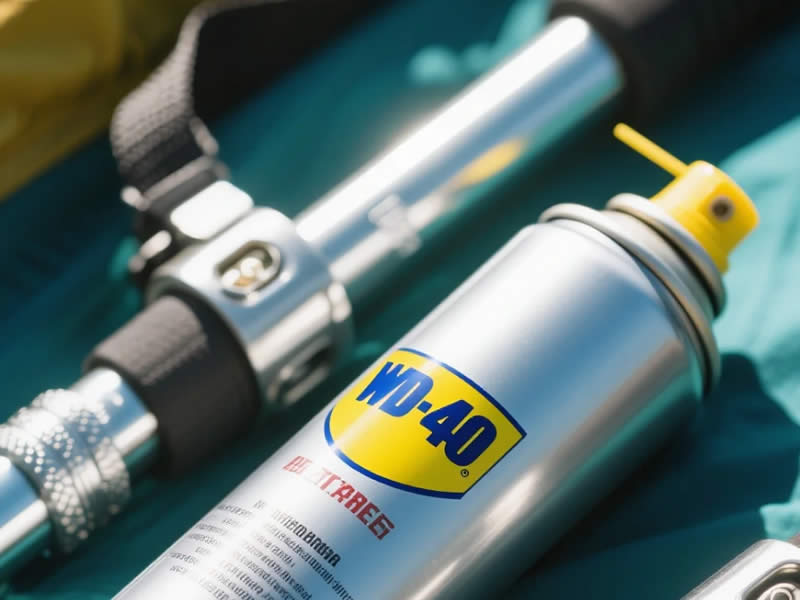
What WD‑40 really is (and isn’t)
First, let’s clear up a common misconception. WD‑40 stands for “Water Displacement, 40th formula.” It was originally designed as a solvent and rust‑preventive, not as a long‑term lubricant. The product contains petroleum‑based oils, but they are thin and volatile. When you spray it on a lock, the solvent quickly evaporates, leaving a light, sticky oil film behind.
That film might feel slippery at first, but it’s a magnet for dust, sand, and fine grit—exactly the kind of contaminants that plague trekking poles during hikes. Within a few miles, that oily residue combines with trail debris to form a grinding paste. Instead of freeing your lock, it accelerates wear on the internal plastic or metal components, leading to slippage, jamming, or complete lock failure.
Why WD‑40 damages trekking pole locks specifically
Trekking pole locks rely on friction to hold your pole at a set length. Twist‑locks use an expanding internal wedge; lever‑locks clamp the outer tube against the inner tube. Both designs need clean, dry surfaces with a predictable coefficient of friction. Adding any liquid lubricant—especially oil—changes that friction unpredictably.
- Slippage under load – The oil reduces the static friction that keeps the lock tight. Your pole may slowly compress during descents, throwing off your balance.
- Attracts grit – As mentioned, the sticky film catches abrasive particles. Over time, these particles scratch the tube surfaces, creating rough spots that make adjustment jerky and noisy.
- Degrades plastic parts – Many locks contain nylon or acetal components. Petroleum‑based solvents in WD‑40 can cause these plastics to swell or become brittle, cracking the expansion nuts or cam mechanisms.
- Makes cleaning harder – Once oil is applied, it’s difficult to remove completely. You’ll need harsh degreasers that may further damage seals and coatings.
What the manufacturers say
Most leading trekking pole brands—Black Diamond, Leki, Komperdell, and MSR—explicitly advise against using WD‑40 or any wet lubricant on locking systems. Their official maintenance guides recommend dry lubrication or no lubrication at all, aside from occasional cleaning. For example, Leki suggests using a silicone‑free grease only on the external threading of twist‑locks, but never on the sliding tube surfaces. Black Diamond warns that oils can cause the internal expander to slip and void the warranty.
Ignoring these guidelines not only compromises safety but also shortens the pole’s lifespan. A $10 can of WD‑40 could turn a $150 pair of poles into unreliable sticks.
The right way to maintain trekking pole locks
Instead of WD‑40, follow this proven maintenance protocol:
1. Clean regularly with mild soap and water
After every muddy or salty hike, disassemble the poles (if possible) and wash the locking areas with warm water and a few drops of dish soap. Use a soft brush to remove embedded dirt. Rinse thoroughly and dry completely with a towel—then leave them disassembled for at least an hour to let residual moisture evaporate. Moisture trapped inside is a bigger enemy than dirt.
2. Lubricate with dry products only
- Dry graphite powder – Apply a tiny pinch to the sliding surfaces of the inner tube. Graphite reduces friction without attracting dust. Wipe off any excess.
- PTFE (Teflon) dry spray – Spray onto a cloth, let it dry for a minute, then wipe the tube lightly. This leaves a microscopic, non‑sticky film.
- Candle or ski wax – Rub a thin layer of hard wax on the inner tube, then assemble and twist to distribute. Wax repels water and smooths movement without oiliness.
3. Adjust tension correctly
Over‑tightening your lock is a common mistake that leads to premature wear. For twist‑locks, turn the collar just until the pole holds your weight with no slipping—then back it off a quarter‑turn. For lever‑locks, adjust the screw tension so the lever clicks firmly with moderate effort. A correctly set lock operates smoothly and quietly.
4. Inspect and replace worn parts
Check the plastic expander or cam periodically. If you see cracks, flattening, or deformation, order replacement parts. No amount of lubrication can fix a worn‑out mechanism.
What about rust? Isn’t WD‑40 good for rust prevention?
WD‑40 does displace water and provide a thin anti‑rust layer, but trekking poles are typically made of aluminium or carbon fibre—both are corrosion‑resistant. The steel screws or springs inside lever‑locks can rust, but that’s best addressed by drying after use and applying a tiny dab of silicone grease only to the screw threads, not to the clamping surfaces. For twist‑locks, the internal metal parts are usually anodised or stainless, so rust is rarely a concern.
If you’re worried about saltwater exposure, simply rinse with fresh water and dry—that’s more effective than any spray.
Common myths debunked
- “WD‑40 fixed my sticky lock temporarily.” – That’s because the solvent temporarily dissolved dirt, making it feel smooth. But as soon as it dries, the dirt resettles with oil, making it worse.
- “I’ll just wipe off the excess.” – The microscopic oil film remains in the pores of the metal, enough to attract fine dust over time.
- “All lubricants are the same.” – False. Wet lubricants are for enclosed, sealed systems (like bike chains). Open, dirt‑exposed mechanisms demand dry lubricants.
Conclusion: Keep WD‑40 in the garage, not on the trail
So, can you use WD‑40 on trekking pole locks? The short answer is no—not if you value your safety, your gear, and your peace of mind. The risks of slippage, accelerated wear, and difficult cleaning far outweigh any temporary convenience. Instead, adopt a simple habit: clean your poles after each wet hike, apply a dry lubricant sparingly, and store them disassembled. Your locks will stay reliable, quiet, and smooth for years.
Remember, your trekking poles are your third and fourth legs on uneven terrain. Treat their locking systems with the respect they deserve—and leave that blue can for your rusty garden tools.




