




What are the lightest trekking poles for seniors with weak arm strength?
For seniors with weak arm strength, the lightest reliable trekking poles are carbon fibre folding models. Top picks: Black Diamond Distance Carbon Z (~280g/pair, folds to 35cm, push‑button locks) – the lightest; Leki Micro Vario Carbon (~440g/pair, lever locks, cork grips) – easier locking; and Fizan Compact 3 (~316g/pair, aluminium, lever locks) – a budget ultralight option. Key features for seniors: under 450g per pair, lever locks (easier than twist), cork/foam grips, and adjustable length. Lightweight is critical – it reduces arm fatigue and makes lifting the poles effortless. Test the grip in‑store and consider wider padded straps for extra comfort. Use rubber tips on pavement to protect carbide and reduce noise.
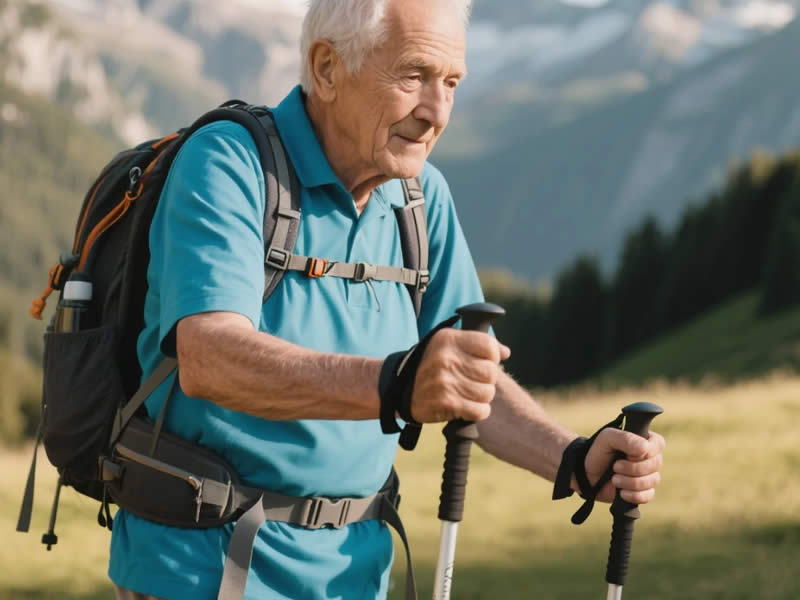
1. Why weight matters for seniors with weak arms
As we age, muscle mass and grip strength naturally decline. Carrying heavy poles can lead to fatigue in the arms and shoulders, making the walk less enjoyable and potentially increasing the risk of a fall. A lightweight pair of poles (ideally under 500g per pair) reduces the effort needed to lift and plant them, allowing you to walk further with less fatigue. This is especially important for longer walks or multi‑day trips.
2. Carbon vs. aluminium – the weight trade‑off
- Carbon fibre – The lightest material. A carbon pole typically weighs 100–150g less per pair than a comparable aluminium pole. Carbon also dampens vibration, reducing arm fatigue on hard surfaces. However, carbon is more expensive and can be brittle on side impacts. For gentle walking on well‑maintained paths, carbon is ideal.
- Aluminium – Heavier but more durable and affordable. High‑grade 7075 aluminium is almost as light as some carbon poles but at a fraction of the cost. For seniors who walk on gentle terrain, aluminium is a practical choice.
3. Key features for weak arm strength
a. Lightweight – Aim for under 500g per pair. The lighter the pole, the less effort required to lift and plant it.
b. Lever locks – Lever locks are much easier to operate than twist locks, especially for those with reduced hand strength. A simple push closes the lock; no twisting or fine motor control is needed.
c. Cork or foam grips – Cork grips are comfortable, become tacky when damp, and provide a secure hold without needing to grip tightly. Foam grips are lighter but can become slippery when wet.
d. Folding design – Folding poles (Z‑poles) are lightweight and pack small, making them easy to stow when not in use. They are also lighter than telescoping poles.
e. Adjustable length – Allows fine‑tuning for comfort and efficiency. On flat ground, your elbows should be at a 90‑degree angle when the tip is on the ground.
f. Padded wrist straps – Straps that are padded and adjustable reduce pressure on the hands and allow a relaxed grip. The strap should sit across the base of your palm, not your wrist.
4. Top recommendations for seniors
a. Black Diamond Distance Carbon Z – The lightest option. Weight: ~280g per pair. Carbon, folding, push‑button locks. Folds to 35cm. Ultralight and packable. Price: ~£150–180 (imported).
b. Leki Micro Vario Carbon – Premium ultralight. Weight: ~440g per pair. Carbon, folding, SpeedLock Plus lever locks, cork grips. Easier to lock than push‑button. Price: ~R$1,200+ (imported).
c. Fizan Compact 3 – Budget ultralight aluminium. Weight: ~316g per pair. 7075 aluminium, folding, lever locks. Thin lower section – not for rocky terrain, but ideal for gentle trails. Price: ~R$400–500 (imported).
d. Decathlon Forclaz MT900 – Best value. Weight: ~500g per pair. 7075 aluminium, telescoping, lever locks, cork grips. Available in Brazil (~R$400). Slightly heavier but durable and affordable.
5. How to reduce arm fatigue further
- Use two poles – Distributes weight evenly across both arms.
- Adjust the straps correctly – The strap should take your weight, not your grip.
- Relax your grip – Hold the pole loosely, like holding a butterfly.
- Take breaks – On longer walks, rest your arms by leaning on the poles or sitting down.
- Use rubber tips on pavement – Reduces vibration and protects carbide tips.
- Practice the alternating rhythm – Left pole with right foot, right pole with left foot. This creates a natural, stable gait.
6. Testing in‑store – a vital step
Before buying, visit a shop (e.g., Decathlon, Adventure Sport) and test the weight and grip. Hold the pole in your hand and swing it to feel the weight. Check the lever lock to see if you can operate it easily. If you have severe arm weakness, ask a physiotherapist for advice on the right poles for your condition.
7. Practical tips for seniors
- Start on flat, firm ground – Practice on a smooth surface before using poles on uneven terrain.
- Use rubber tips on pavement – Saves your carbide tips and reduces noise.
- Adjust the straps – Before each walk, check that the straps are adjusted correctly.
- Keep your back straight – The poles should support you, not pull you forward.
- Carry spare tips – Carbide tips wear down on abrasive surfaces. Replace them when blunt.
8. Alternatives for very weak arms
For those with very weak arms, consider:
- Wider, padded straps – Some third‑party straps are wider and distribute pressure more evenly.
- Ergonomic grips – Some grips are angled to reduce wrist strain (e.g., Pacerpole).
- Shock absorption – Internal springs reduce vibration, which can help reduce arm fatigue.
9. Final verdict
For seniors with weak arm strength, the best poles are lightweight carbon fibre folding poles with lever locks and comfortable grips. The Black Diamond Distance Carbon Z is the lightest option at ~280g per pair, while the Leki Micro Vario Carbon offers easier locking with lever locks. For a budget‑friendly alternative, the Fizan Compact 3 is an excellent ultralight aluminium choice. Always test the weight and grip in‑store, and consult a physiotherapist if you have specific concerns. With the right poles, you can walk further, more safely, and with less fatigue. Happy hiking!




