




Are trekking poles covered by health insurance in Brazil for rehabilitation?
In Brazil, health insurance (plano de saúde) generally does not cover trekking poles for rehabilitation, as they are classified as sports equipment, not medical devices. The National Supplementary Health Agency (ANS) does not mandate coverage for walking aids like trekking poles. However, a doctor's prescription may enable a case‑by‑case request, though approval is rare. Medical walking sticks, crutches, and canes are more likely to be covered. For SUS (public health system), trekking poles are not available. The best approach is to consult your insurance provider directly.
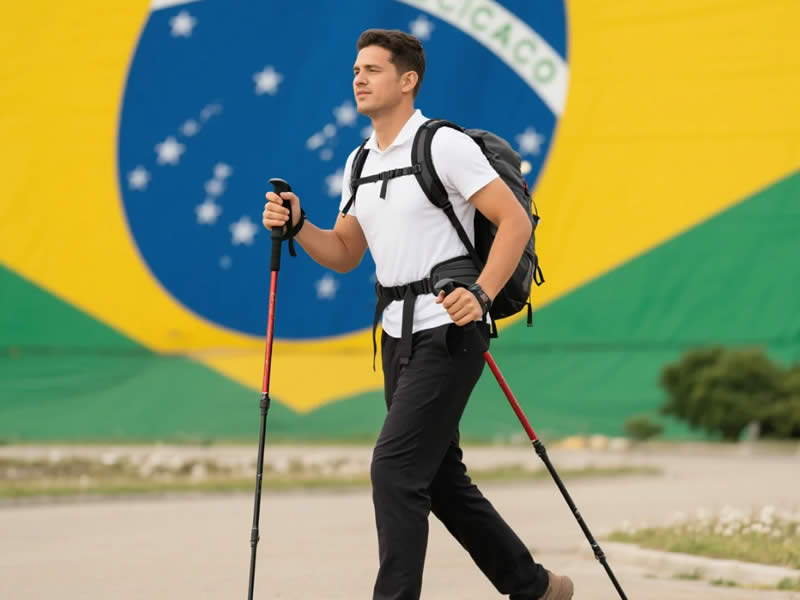
1. The role of ANS (Agência Nacional de Saúde Suplementar)
ANS is the Brazilian regulatory agency for health insurance. It establishes the minimum coverage that all health plans must offer. This includes hospital care, medical consultations, exams, and some rehabilitation therapies. However, ANS does not mandate coverage for walking aids like trekking poles. The agency lists specific equipment and procedures that must be covered – and trekking poles are not on this list.
2. Why trekking poles are not typically covered
Health insurance in Brazil covers medical devices – items that are essential for the treatment of a specific condition. This includes:
- Orthoses – Braces, splints, prosthetics.
- Medical walking sticks – Prescribed for post‑surgery or mobility impairment.
- Crutches – For temporary or permanent support.
Trekking poles are classified as sports equipment, not medical devices. They are designed for walking and hiking, not for rehabilitation. Even if they are used for rehabilitation, the classification is based on the item's design and primary purpose, not on how it is used.
3. When trekking poles might be covered
There are a few scenarios where trekking poles could be covered:
a. Doctor's prescription – If a doctor explicitly prescribes trekking poles as a necessary mobility aid for a specific medical condition (e.g., post‑surgery, neurological disorders), you can submit a request to your insurance provider. The request must include a detailed medical report justifying the need for trekking poles over a standard walking stick.
b. Severe mobility impairment – If you have a condition that requires a specific type of walking aid (e.g., balance issues, arthritis, or a neurological condition), a physiotherapist or doctor may recommend trekking poles. In some cases, the insurance provider may approve coverage if the poles are deemed essential for rehabilitation.
c. Private insurance plans – Some private insurers may reimburse a portion of the cost if you file a claim with the prescription and a detailed medical report. This is not guaranteed, but it is worth trying.
Important: Approval is rare, and the decision is made on a case‑by‑case basis. Even if you have a prescription, the insurance company may refuse coverage.
4. What IS covered
- Medical walking sticks, crutches, and canes – These are more likely to be covered, especially if prescribed by a doctor.
- Physical therapy sessions – Often covered, where you may be able to borrow or rent poles from the physiotherapy clinic.
- Orthopedic rehabilitation – Some plans cover rehabilitation programs that include walking aids.
5. What about SUS (Unified Health System)?
The public health system (SUS) provides some rehabilitation services, but it does not cover trekking poles. SUS covers basic walking aids (crutches, canes) through the SUS Orthotics and Prosthetics Program. However, trekking poles are not included in this program.
6. How to increase your chances of coverage
If you want to try to get trekking poles covered, follow these steps:
- Get a detailed prescription – Ask your doctor to write a specific prescription for trekking poles, not just "walking aid." The prescription should explain why trekking poles are medically necessary.
- Include a medical report – The report should detail your condition, why you need the poles, and why a standard walking stick is not sufficient.
- Submit the request – Send the prescription and medical report to your insurance provider (operadora). Keep copies of all documents.
- Be prepared for an appeal – If the request is denied, you can appeal. Many insurance companies deny claims initially, hoping the patient will give up. An appeal with a detailed justification may be successful.
7. Alternatives if insurance denies coverage
- Buy out‑of‑pocket – Decathlon sells affordable trekking poles (~R$400). Other options include Adventure Sport (Leki, Black Diamond) or Mercado Livre.
- Rent – Some physiotherapy clinics or outdoor shops may rent trekking poles for rehabilitation.
- Borrow – Check with walking groups or community organisations.
- Apply for a discount – Some stores offer discounts for seniors or people with disabilities.
8. A quick summary
| Scenario | Coverage |
|---|---|
| Doctor prescribes trekking poles | Possible, but rare – requires formal request and appeal |
| Medical walking stick | More likely to be covered |
| Physical therapy | Often covered – poles may be available at the clinic |
| SUS (public health) | Not available |
| Out‑of‑pocket purchase | Decathlon (~R$400) or other retailers |
9. Final verdict
In Brazil, health insurance generally does not cover trekking poles for rehabilitation. They are classified as sports equipment, not medical devices. However, a doctor's prescription may enable a case‑by‑case request, though approval is rare. Medical walking sticks are more likely to be covered. For SUS, trekking poles are not available. The best approach is to consult your insurance provider directly. If you need trekking poles for rehabilitation, be prepared to pay out‑of‑pocket or look for rental options. Happy (and healthy) walking!




