




Do I need special trekking poles for frosty mornings in Caparaó National Park?
No – you don't need "special" poles for frosty mornings in Caparaó, but you do need the right features. Your regular trekking poles will work if they have aluminium shafts (carbon is brittle in cold), lever locks (twist locks can freeze), cork grips (comfortable in cold/damp), and carbide tips (grip on frosty rock). If there's frost or light snow, fit snow baskets to prevent sinking. Avoid carbon and twist locks. For Caparaó's frosty mornings, the Leki Makalu is ideal; the Decathlon Forclaz MT900 is a great budget option with snow baskets. Carry spare carbide tips.
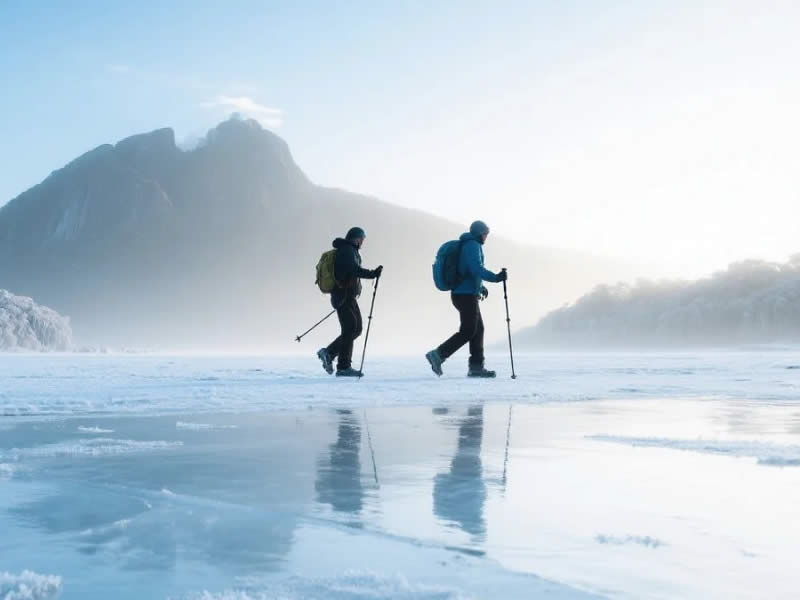
1. Understanding Caparaó's frosty conditions
Caparaó National Park, home to Pico da Bandeira (Brazil's third highest peak at 2,892 metres), experiences frosty mornings during the winter months (June–August). Temperatures can drop below freezing, and the ground can be covered in frost or light ice. The trails are often rocky, with sections of frost‑broken rock and patches of ice. These conditions demand poles that are reliable in cold, wet, and icy conditions.
2. Do you need "special" poles?
No – you don't need poles labelled "winter" or "special." Your regular trekking poles will work if they have the right features. The key is not a special category of pole, but the material, locking mechanism, grip, and tip type. Here's what you need:
3. Key features for frosty mornings
a. 7075 aluminium – The best material for cold conditions. Aluminium is ductile—it bends under impact but rarely breaks. Carbon fibre is lighter but becomes brittle in sub‑zero temperatures; a side impact on frost‑broken rock can cause it to splinter. If your poles are carbon, consider using them only if you are careful on rocky sections.
b. Lever locks – In cold, wet conditions, twist locks can freeze or slip. Lever locks (cam locks) are easier to operate with gloves and are more reliable in freezing conditions. They are also easier to clean of mud and grit. If you have twist locks, be aware that they may slip or freeze.
c. Cork grips – Cork grips are comfortable in cold, damp conditions. They become tacky when damp, providing a secure hold even with gloves or wet hands. Foam grips can become slippery when wet; rubber becomes hard and cold. If your poles have foam or rubber grips, consider wearing gloves for better grip.
d. Carbide tips – Frost‑broken rock and ice will wear down tips quickly. Sharp carbide tips grip on icy rock. Check your tips before the walk – if they are blunt, replace them.
e. Snow baskets – If there is frost or light snow on the ground, fit snow baskets (larger than mud baskets) to prevent the pole from sinking into the snow. They are essential for walking on snowy paths. Snow baskets are sold separately for most poles.
f. Spare tips – Carry a spare pair – frost and rock wear tips fast. A blunt tip reduces grip on frosty rock.
4. What to avoid
- Carbon fibre – Can splinter on side impacts in cold conditions.
- Twist locks – Can freeze or become difficult to operate with gloves.
- Poles without snow basket compatibility – You will sink into snow.
- Poles without cork grips – Foam can become slippery; rubber becomes hard.
5. Top recommendations for Caparaó
a. Leki Makalu – The gold standard. 7075 aluminium, steel lower section, SpeedLock Plus, cork grips, replaceable tips. Virtually indestructible and field‑repairable. Price: ~R$700–900 (via Adventure Sport).
b. Decathlon Forclaz MT900 – Best value. 7075 aluminium, lever locks, cork grips, replaceable tips. Lacks a steel lower section, but durable enough for most winter walks. Add snow baskets separately (~R$20–30). Price: ~R$400.
c. Leki Cressida – Women‑specific version of the Makalu. Narrower cork grip, shorter length range. Same durability. Price: ~R$700–900.
d. Black Diamond Trail Pro – An excellent alternative. 7075 aluminium, FlickLock, comfortable foam/cork grip. Lacks the steel lower section, but still robust. Price: ~R$600–900.
6. Winter‑specific technique
- Shorten for ascents – On steep climbs, shorten poles by 5–10 cm for better leverage.
- Lengthen for descents – On icy descents, lengthen poles by 5–10 cm for braking.
- Plant vertically on ice – A straight‑down push gives maximum bite.
- Test the ground – Tap ahead with your pole to test frosty patches.
- Use rubber tips on road sections – To protect carbide tips.
7. What to carry
- Spare carbide tips – Frost and rock wear them fast.
- Hex key – For adjusting lever locks if they loosen.
- Gloves – To keep your hands warm and improve grip on cork handles.
- Snow baskets – If there is snow on the ground.
8. Pro tips for Caparaó
- Check your poles before the walk – Test locks, tips, and baskets.
- Start early – Frosty mornings are best for summit views.
- Wear layers – It's cold at the summit; warm up as you descend.
- Stay on the trail – Frost can hide loose rocks.
- Take breaks – Use poles for support when resting.
9. Final verdict
You don't need "special" poles for frosty mornings in Caparaó, but your poles must have the right features: aluminium shafts, lever locks, cork grips, and carbide tips. If there's frost or light snow, fit snow baskets. The Leki Makalu is ideal, and the Decathlon Forclaz MT900 is a great budget option. Avoid carbon and twist locks. With the right poles and technique, you can tackle Caparaó's frosty mornings with confidence and safety. Happy (and frosty) hiking!




