




How to prevent trekking pole baskets from clogging with sticky UK clay soil?
If you've ever hiked through the English countryside—whether on the South Downs, the Cotswolds, or the muddy trails of the Peak District—you know the unique horror of sticky clay soil. It clings to your boots, cakes your gaiters, and, most annoyingly, jams your trekking pole baskets until they resemble lumpy, mud‑encrusted anchors. Instead of sliding smoothly through the undergrowth, your poles become heavy, unwieldy, and useless for support. Worse, the clogged baskets can even cause the pole to twist or become unstable, compromising your safety on steep terrain. This guide provides a complete toolkit of strategies—from choosing the right basket design to on‑trail tricks and post‑hike maintenance—to keep your baskets clear and your poles performing as they should.
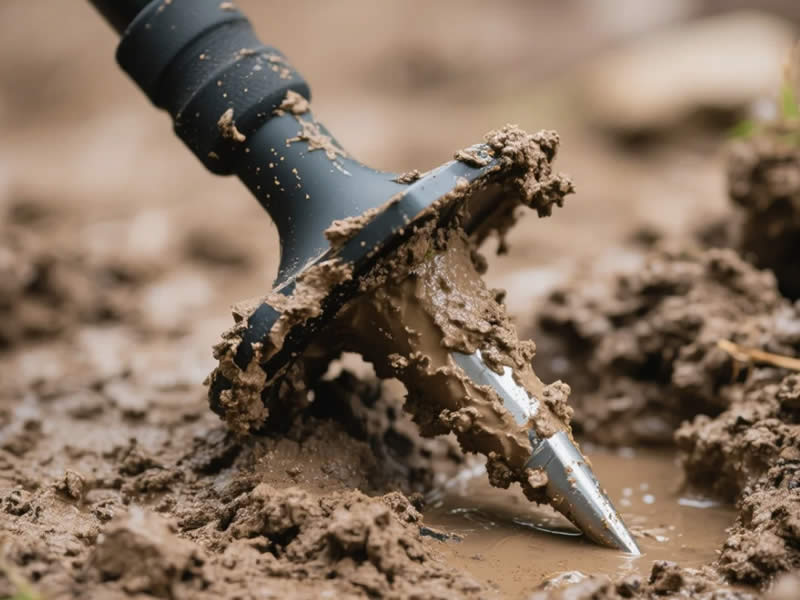
Why UK clay soil is a unique enemy
Clay soil, common across much of the UK, is composed of microscopic particles that are highly cohesive. When wet, it becomes a thick, sticky paste that adheres to almost any surface. As it dries, it hardens like cement, making it even harder to remove. The problem is exacerbated by the shape of many standard trekking pole baskets: they are often cup‑shaped or have solid, flat surfaces that trap the clay and provide nowhere for it to escape. Once a basket is full of clay, the pole's weight increases, the basket loses its flotation function, and the pole becomes difficult to pull out of the mud.
The key to prevention is to reduce the surface area that clay can grip and create a non‑stick barrier that stops the mud from adhering in the first place.
Part 1: Choose the right basket design
Not all baskets are equal when it comes to sticky clay. If you're a regular walker on clay‑heavy trails, consider upgrading to one of these designs:
1. Open‑weave or slotted mud baskets
Many brands (e.g., Leki, Black Diamond, Komperdell) offer baskets specifically designed for mud and snow that feature open slots or a lattice‑like structure. These allow the clay to be squeezed out as you plant and lift the pole, rather than trapping it inside a closed cup. The slots also give the mud an escape route, so the basket doesn't become a solid block of dirt.
Top choices: Leki's "Mud Basket" with a cross‑shape design, or Black Diamond's "Mud" basket which has several large cut‑outs. These baskets are typically 7‑9 cm in diameter and are highly effective on UK clay.
2. Small‑diameter, minimalist baskets
If you're not dealing with deep bog but just sticky surface clay, you might find that a smaller basket (4‑5 cm) or even no basket at all works better. The smaller surface area means less material for clay to cling to. However, this sacrifices flotation in soft ground, so it's a trade‑off. Many hill runners use minimalist baskets precisely to avoid clogging.
3. Flexible, self‑cleaning baskets
Some newer designs use a flexible rubber or plastic that flexes as you plant the pole. This flexing action helps to crack and shed the clay as it dries, keeping the basket cleaner for longer. Look for baskets with a slightly concave shape that can bend under pressure.
Part 2: Pre‑treat your baskets to create a non‑stick surface
One of the most effective ways to prevent clay from bonding to your basket is to apply a release agent before you set out. This creates a slick, low‑adhesion surface that mud struggles to stick to.
Silicone spray lubricant
A light coating of silicone spray (available at most hardware or outdoor stores) is highly effective. Spray it on the basket and the lower section of the pole, allow it to dry for a minute, and then buff lightly with a cloth. The silicone creates a hydrophobic, non‑stick layer that repels water and clay particles. Reapply every few hikes or after washing.
Candle wax or ski wax
Rub a plain white candle or a block of ski wax over the surface of the basket, paying special attention to the underside and any crevices. The wax fills the microscopic pores of the plastic and creates a smooth, slippery finish. It's cheap, easy to carry (you can keep a small candle stub in your pack), and it works surprisingly well.
Cooking oil spray (emergency use)
In a pinch, a quick spritz of olive oil or cooking spray from a camp kitchen can work. It's not as durable as silicone, but it will give you a few hours of reduced sticking. However, oil can attract dust and grime, so use it sparingly and clean the basket afterwards.
Dry graphite powder
Applying graphite powder (used for locks) to the basket can also reduce adhesion. It's a dry lubricant that doesn't attract dirt and works well in wet conditions. Simply dust it over the basket and rub it in.
Part 3: On‑trail techniques to keep baskets clear
Even with the best baskets and pre‑treatment, clay will eventually build up. Here's how to manage it on the go:
1. Tap them together
The simplest and most effective method: after every muddy section, or whenever you feel the basket getting heavy, tap the two poles together firmly. The impact will dislodge clumps of clay before they have time to set. Hold the poles by the grips and knock the baskets against each other—the vibration is usually enough to shed the mud.
2. Use a boot scraper or a stone edge
If tapping doesn't work, find a sharp rock edge or a boot scraper (often found at trailheads) and scrape the side of the basket against it to break off the dried clay. This is more effective on semi‑dried mud.
3. Swish in water
If you're crossing a stream or a puddle, dip the basket in the water and swish it around. The water will loosen the clay, and you can then tap it off. This works best when the clay is still wet; once it dries, it's much harder to remove.
4. Avoid twisting the pole when pulling out
When you lift your pole, try to pull it out vertically without twisting. Twisting can compact the clay inside the basket and make it harder to clean. A straight lift often allows the basket to pass through the mud without collecting a full load.
Part 4: After‑hike cleaning and maintenance
Once you're back home, don't let the clay dry and harden on your baskets—it will become a nightmare to remove.
- Rinse immediately with a hose or a bucket of water. High pressure is best; even a simple watering can with a rose attachment works wonders.
- Use a stiff brush (like a nail brush or a dedicated gear brush) to scrub the basket and the pole shaft. Pay attention to the underside of the basket where clay often builds up.
- Soak if necessary – If the clay has dried, soak the baskets in warm water for 10‑15 minutes to soften it, then scrub.
- Dry thoroughly – After cleaning, dry the baskets completely before storing. Leftover moisture can lead to corrosion of metal parts or degradation of plastic.
- Reapply your non‑stick treatment – Once clean and dry, apply another layer of silicone or wax so your baskets are ready for the next hike.
Advanced tip: carry a spare basket
For very long walks or multi‑day treks on clay‑heavy terrain, consider carrying a spare pair of baskets in your pack. If your primary baskets become irredeemably clogged or damaged, you can simply swap them out. They're lightweight and small, and the peace of mind is worth the negligible extra weight.
When to remove baskets entirely
On some trails with exceptionally sticky clay and no soft ground requiring flotation, you might decide to remove the baskets completely. This eliminates the clogging issue entirely. The pole tip will sink deeper in soft mud, but in clay that's just surface‑sticky, the difference is often minimal. Many fell runners and experienced moorland walkers in the UK routinely remove baskets for this reason. It's worth experimenting on your local trails to see if this works for you.
Final verdict
Clogged baskets are a nuisance, but they are entirely preventable. By choosing slotted, open‑weave baskets, applying a non‑stick pre‑treatment (silicone or wax), using on‑trail tapping and scraping techniques, and performing prompt post‑hike cleaning, you can keep your trekking poles light, efficient, and ready for action. The UK's sticky clay soil need not be a barrier—with a little preparation, you'll stride through muddy fields and boggy paths with your poles performing as they should. Happy hiking!




