




What is the best material to prevent rust on trekking poles used in the rainy Lake District?
The Lake District is a hiker's paradise—and a gear's worst nightmare. With an average of over 200 rainy days a year in some areas, persistent moisture is a constant companion on the fells. For trekking poles, this relentless dampness poses a serious threat: rust and corrosion. Unlike a single wet walk, the Lakeland climate subjects poles to prolonged, repeated exposure to water, peat acids, and mineral salts—all of which accelerate the breakdown of metal components. The question of which material best resists rust is not just academic; it's a practical decision that can determine whether your poles last for years or fail within a season. This guide breaks down the material options, their performance in the Lakes, and the maintenance habits that keep them rust‑free.
Understanding rust: it's not just about the shaft
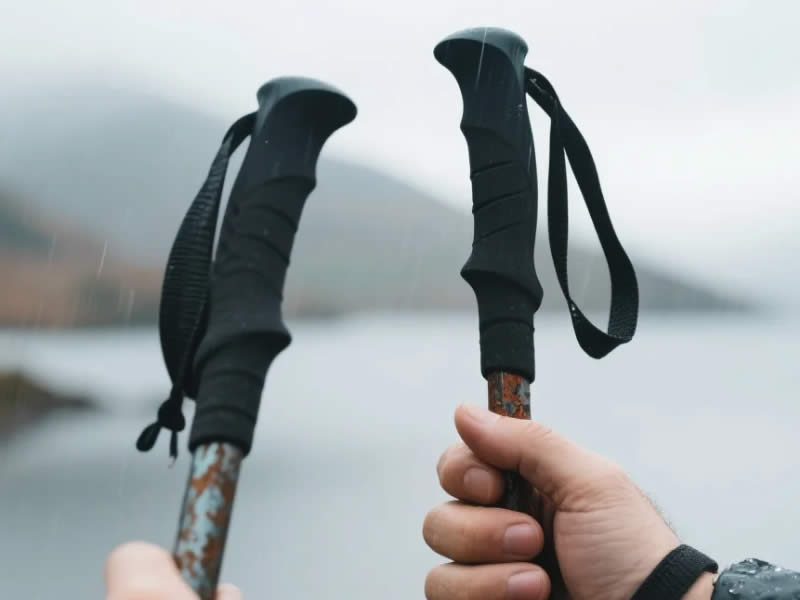
First, let's clarify what we mean by "rust." True rust—iron oxide—only affects ferrous (iron‑based) metals. Trekking pole shafts are almost never made of steel; they are typically aluminium or carbon fibre, which do not rust. However, the hardware—screws, springs, lever pivots, and adjuster screws—is often made of steel or other ferrous alloys. These are the components most vulnerable to corrosion in the wet Lake District. So when we talk about "rust prevention," we're really talking about two separate concerns:
- Corrosion resistance of the shaft material: Aluminium vs. carbon fibre.
- Corrosion resistance of the hardware: Steel, stainless steel, titanium, or coated alloys.
Shaft materials: aluminium vs. carbon fibre
Aluminium (7075‑T6)
Modern aluminium poles are made from high‑strength alloys, predominantly 7075‑T6. This aluminium does not rust; it forms a thin, protective oxide layer when exposed to moisture. The key to its longevity in the Lake District is the anodised coating that manufacturers apply. This electrochemical process thickens the natural oxide layer, making it highly resistant to corrosion from rain, peat acids, and even salt (if you're on the coast).
Performance in the Lakes: Excellent. Aluminium shafts withstand the damp climate without rusting. However, if the anodised layer is scratched—which is inevitable on rocky Lakeland terrain—the bare aluminium underneath can develop pitting corrosion in the presence of moisture and salts. This is usually cosmetic unless the pitting is deep. With regular cleaning and drying, aluminium poles can last a decade or more in the Lakes.
Recommendation: Choose poles with a high‑quality anodised finish. Black Diamond, Leki, and Komperdell all use excellent anodising that resists the Lakes' damp climate.
Carbon fibre
Carbon fibre itself does not rust—it's a composite of carbon fibres in an epoxy resin. However, the epoxy binder can be compromised by constant moisture absorption, especially if the outer coating is scratched. Over years of Lakeland rain, water can penetrate microscopic cracks and cause delamination—the layers separate, and the pole weakens. This is not rust, but it is a form of degradation that can be just as terminal.
Performance in the Lakes: Carbon poles are lighter, but they are more sensitive to the damp conditions than aluminium. They are also more brittle, which is a disadvantage on rocky terrain. For the Lakes, aluminium is generally the more robust choice.
The real vulnerability: hardware and moving parts
The shaft is the least of your worries. The locking mechanisms, screws, and springs are where rust is most likely to take hold. In the Lake District's wet, acidic environment, a steel screw can rust and seize in a matter of weeks if not properly maintained.
Materials used for hardware:
1. Standard steel (least resistant)
Some budget poles use untreated steel for screws and springs. In the Lakes, these will rust quickly, leading to seized locks or broken springs. Avoid poles with standard steel hardware if you plan to hike in the Lakes regularly.
2. Stainless steel (good resistance)
Stainless steel is an alloy with chromium that forms a passive oxide layer, resisting corrosion. However, not all stainless steel is equal. Grade 304 is common and offers decent resistance, but it can still pit in chlorides (like salt). Grade 316 (marine‑grade) is far more resistant and is the gold standard for coastal and damp environments.
Performance in the Lakes: Stainless steel hardware, especially 316, is an excellent choice. It will resist rust for many years with minimal care.
3. Titanium (excellent, but expensive)
Titanium is highly resistant to corrosion from water, acids, and salts. It's also lightweight. However, it's expensive and usually reserved for premium poles. Some brands offer titanium‑coated or titanium‑alloy hardware.
Performance in the Lakes: Titanium is the ultimate rust‑proof material. It will never corrode in the Lake District's climate. If you can afford it, it's a long‑term investment.
4. Anodised aluminium and coated hardware
Some manufacturers use aluminium screws and components, anodised for corrosion resistance. These are lightweight and rust‑proof, but they may be softer than steel, so they can strip or wear over time.
The role of coatings and finishes
Beyond the base material, surface treatments can significantly improve corrosion resistance:
- Anodising: The thick oxide layer on aluminium shafts is the primary defence. A hard‑anodised finish (often called Type III anodising) is more durable and more corrosion‑resistant than standard anodising.
- PTFE or Teflon coatings: Some poles have a PTFE coating on the sliding sections. This not only reduces friction but also repels moisture, helping prevent the ingress of water into the joints.
- Clear lacquer: A thin, clear lacquer over the hardware can provide a barrier against moisture. However, this can wear off with use.
The maintenance factor: material is only half the story
Even the best materials will fail if not cared for in the Lake District's damp conditions. The golden rules are:
- Rinse after every wet walk: Fresh water removes peat acids and salts that can attack the oxide layer. Pay special attention to the locks and any hardware.
- Dry thoroughly: Never store poles wet. Extend them fully, open the locks, and allow them to air‑dry for at least an hour.
- Lubricate correctly: Use dry graphite powder or silicone spray on threads and pivot points. Avoid oil and grease, which attract grit and hold moisture.
- Inspect regularly: Check screws and springs for signs of rust. If you see a small spot, clean it off immediately with a wire brush and apply a corrosion‑inhibiting coating.
The best material combination for the Lake District
After weighing all factors, the ideal pole for the rainy Lake District is:
- Shaft: 7075‑T6 aluminium with a hard‑anodised finish.
- Hardware: Stainless steel (preferably grade 316) for screws, springs, and lever pivots.
- Coatings: PTFE on the sliding sections for moisture repellence.
- Grip: Cork (not a rust issue, but stays comfortable in wet hands).
Top picks: Black Diamond Trail Pro (stainless steel hardware), Leki Makalu (corrosion‑resistant hardware), and Komperdell Contour Pro (marine‑grade components). The Decathlon Forclaz MT900 uses standard steel, so it requires extra diligence with drying and lubrication.
Final verdict
For the Lake District's rainy climate, the best material to prevent rust is 7075‑T6 aluminium for the shaft (with a hard‑anodised finish) and marine‑grade stainless steel (316) or titanium for the hardware. This combination offers the best corrosion resistance, durability, and long‑term reliability. However, even the finest materials demand diligent care—rinse, dry, and lubricate after every outing. With the right gear and habits, your poles will survive the wettest Lakeland days and be ready for many more to come. Happy walking!




