




Are there special trekking pole grips that don't get slimy in constant drizzle?
If you've ever walked for hours in the persistent, drizzly rain that the UK—particularly the Lake District, Snowdonia, or the Scottish Highlands—is famous for, you know the struggle. Your hands are wet, your grips are wet, and soon, your once‑secure hold on your trekking poles becomes a slippery, slimy fight for control. It's not just uncomfortable; it's dangerous. A slip can mean a fall on a steep, rocky descent. The good news is that yes, there are specifically designed trekking pole grips that resist slipperiness in wet conditions. This guide explains what they are, why they work, and how to choose the best ones for your rainy‑weather hikes.
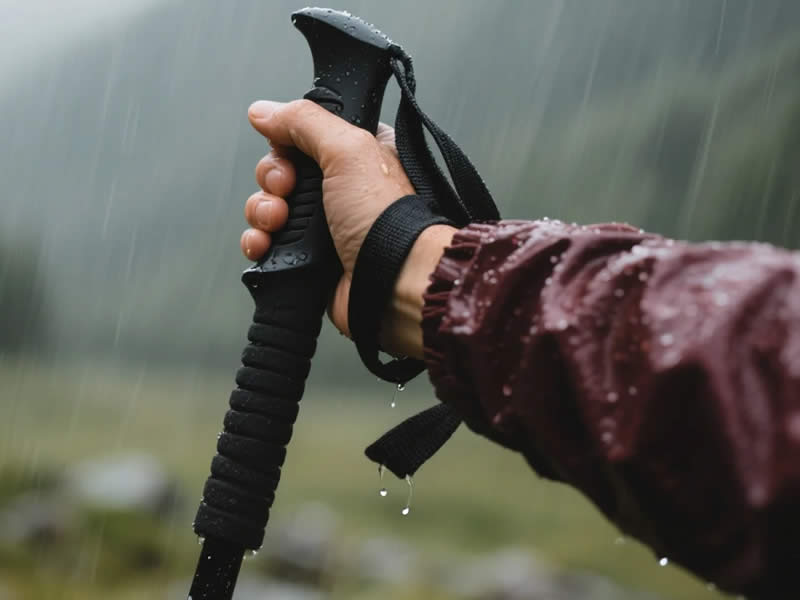
Why grips become slimy in the rain
The "slimy" sensation comes from a combination of factors. When your hands sweat or get wet from rain, the moisture combines with oils and dirt on the grip's surface. On some materials, this forms a slick film. The grip's surface texture and its ability to absorb or channel moisture determine whether it remains secure or becomes treacherous.
- Rubber grips: These are the worst in constant drizzle. The moisture forms a thin layer between your hand and the rubber, and the surface becomes greasy and slippery. Rubber also tends to become sticky and uncomfortable when wet for long periods.
- Foam grips (EVA): Foam can absorb water, becoming heavy and waterlogged. Once saturated, it can also become slippery, especially if it's a smooth foam.
- Cork grips: Cork is a natural material with an open, cellular structure. It absorbs moisture from your hand and the rain, but its surface remains grippy because the cells provide a microscopic texture. It doesn't form a slick film.
The champion of wet‑weather grips: cork
Cork is widely regarded as the best grip material for wet and humid conditions. Here's why:
- Moisture absorption: Cork wicks away sweat and moisture from your hand, keeping your palm relatively dry. It doesn't become waterlogged; the moisture is absorbed and then evaporates.
- Natural texture: Even when wet, cork retains its slightly rough, tactile surface. This provides a secure, non‑slip hold.
- Comfort over long distances: Cork conforms to the shape of your hand over time, reducing pressure points and fatigue. It's also warm in cold weather and cool in warm weather.
- Low thermal conductivity: It doesn't feel cold in your hand like metal or hard plastic.
What to look for in cork grips
- High‑quality natural cork: Some grips use a mix of cork and synthetic materials. Pure cork or a high‑percentage cork blend is best.
- Textured surface: Some cork grips have a subtle diamond or cross‑hatch pattern moulded into them, which enhances grip in the wet.
- Ergonomic shape: A grip that follows the natural shape of your hand (like Leki's Aergon or Black Diamond's ergonomic design) reduces twisting and helps maintain control even in wet conditions.
Extended foam sections: the useful addition
Many premium poles now feature a foam extension below the main grip. This is a section of EVA foam that runs down the shaft, allowing you to choke up on the pole for steep ascents or scrambling. In wet conditions, this foam extension can be a lifesaver—it provides a secondary, dry‑grip position when your main grip is fully wet.
However, foam can become waterlogged over time. Look for foam that is closed‑cell (rather than open‑cell), as it absorbs less water and dries faster.
What about rubber grips?
Rubber grips have their place—they are durable, offer good shock absorption, and are often found on budget poles. But for rainy conditions, they are a poor choice. The surface becomes slick, and the material can cause blisters over long distances due to friction. If you must use rubber grips in the rain, consider wearing gloves with a good gripping surface, but ideally, choose cork.
The role of the wrist strap
A well‑designed wrist strap is an essential partner to a good grip. In wet conditions, the strap allows you to relax your grip and let the strap bear the weight of the pole, reducing the need to squeeze tightly. Look for:
- Padded, wide straps that don't dig into your hand.
- Quick‑release buckles for easy adjustment.
- Moisture‑wicking material (like a synthetic blend) that doesn't stay wet and heavy.
Maintenance: keeping your grips in top condition
Even the best cork grips need care to maintain their performance:
- Clean regularly: Dirt and oils reduce the grip's texture. Wash with mild soap and warm water, then air‑dry. Do not use harsh detergents or solvents.
- Dry thoroughly: After a wet walk, allow your grips to dry completely before storing to prevent mould or degradation.
- Lightly sand: Over time, cork can become polished and smooth. A very light sanding with fine sandpaper (400‑600 grit) can restore its natural texture. Do this sparingly.
Recommended grips and models for wet weather
- Leki Aergon Cork – This is Leki's flagship cork grip, featuring an ergonomic design with a raised thumb rest. It's available on many of their poles, including the Makalu and Micro Vario.
- Black Diamond Cork Grip – Black Diamond's cork grips come with an ergonomic angle and a large, comfortable palm rest. Found on the Trail Pro and several other models.
- Komperdell Cork Grip – Komperdell offers cork grips with a carbon‑look finish and an extended foam section, known as the "Control" or "Contour" series.
- Decathlon Forclaz MT900 – A budget‑friendly option with a hybrid cork/foam grip. It's not pure cork, but it performs adequately in wet conditions for occasional use.
What about gloves?
Even with the best cork grips, some hikers prefer to wear thin, grippy gloves in constant drizzle. Look for gloves with:
- Silicone or rubberised palms for extra grip.
- Touchscreen compatibility (so you can use your phone without removing them).
- Breathable, quick‑drying fabric.
Gloves and cork grips work well together—the gloves keep your hands warm, and the cork grip stays non‑slimy.
The verdict
Yes, there are special trekking pole grips that don't get slimy in constant drizzle. Cork grips are the unequivocal answer. They absorb moisture, retain their natural texture, and provide a secure hold even after hours in the rain. Avoid rubber grips for wet climates, and choose foam only if it's high‑quality, closed‑cell, and used with gloves. For the ultimate wet‑weather setup, combine cork grips with a good pair of breathable, grippy gloves and a comfortable wrist strap. With this combination, you'll maintain full control of your poles, keeping your focus on the scenery rather than your hands. Happy (and dry) walking!




