




Is it better to disassemble 3-section poles for safer checked baggage?
Yes—disassembling 3‑section trekking poles is generally better for checked baggage, but it depends on the pole's design and your willingness to handle the internal bungee cord. Separating the sections reduces the overall length and leverage, making the poles less vulnerable to bending under the weight of other luggage. However, many 3‑section poles have an internal bungee cord that holds the sections together; disassembling them can cause the cord to snap back into the pole, making reassembly difficult and potentially damaging the cord. This article provides a detailed analysis of the trade‑offs, step‑by‑step instructions for safe disassembly, and an alternative approach if you prefer not to take them apart.
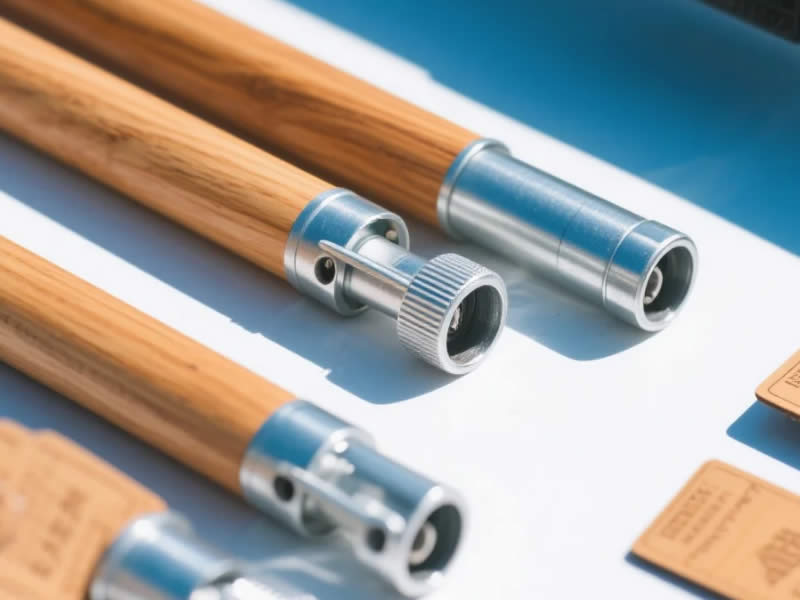
Why disassembly can be safer
1. Reduced length
A fully collapsed 3‑section pole is typically 60‑70 cm long. When placed in a suitcase or a luggage hold, this length can create leverage. If a heavy suitcase is placed on top of a long pole, the pole can bend at the midpoint. By disassembling the sections, each piece is only 30‑50 cm long, significantly reducing the leverage and the risk of bending.
2. Lower profile
A disassembled pole can be packed flat, fitting neatly inside a hard‑case tube or a padded sleeve. This reduces the overall bulk and makes it easier to position the poles safely among other items.
3. Reduced stress on locking mechanisms
When a pole is collapsed but still assembled, the locking mechanism (flick‑lock or twist‑lock) is still under some tension. Disassembling the sections removes that tension, which can extend the life of the locks.
The risk of the internal bungee cord
Many 3‑section trekking poles are held together by an internal bungee cord (also called an "internal shock cord"). This cord runs through the centre of the sections and keeps them together when the pole is extended. Disassembling a pole with a bungee cord is not straightforward.
What happens if you disassemble incorrectly?
- The cord will snap back into the pole section, pulling the retaining knot or the washer into the tube.
- The cord can become tangled or twisted inside the pole.
- Reassembly can be extremely difficult—you may need a long tool (like a straightened coat hanger) to retrieve the cord.
What you should do
- Check your pole's design: Before you disassemble, consult the manufacturer's manual. Some poles have a screw‑on cap that allows you to access the bungee cord. Others require you to remove the grip.
- If you're unsure, don't disassemble: If you are not confident about handling the bungee cord, it's better to keep the poles assembled and use a hard‑case tube for protection.
- If you do disassemble, mark the sections: Use a permanent marker to label each section (e.g., "Top," "Middle," "Bottom") so you can reassemble them in the correct order.
How to safely disassemble a 3‑section pole (if your design allows)
For poles with a screw‑on cap at the top (under the grip):
- Remove the grip: Some poles have a removable grip. If yours does, unscrew it.
- Pull out the bungee cord: Gently pull the cord out of the top section and hold it so it doesn't snap back.
- Separate the sections: While holding the cord, slide the sections apart.
- Secure the cord: Tie a loose knot at the end of the cord to prevent it from slipping back into the section. Place the cord and knot outside the pole.
- Pack the sections: Place the sections in a padded sleeve or hard‑case tube.
For poles without an accessible cap:
Do not attempt to disassemble them. The bungee cord is likely fixed inside the pole and cannot be removed without damaging the pole. In this case, keep the poles assembled and use a protective tube.
Alternatives to disassembly
If you prefer not to disassemble your poles, you can still protect them effectively:
1. Use a hard‑case tube
Sportube or a DIY PVC pipe are the gold standards for pole protection. Place the fully collapsed poles inside the tube, and fill any empty space with bubble wrap or clothing. This prevents the poles from being crushed or bent, even if they are still assembled.
2. Bundle the poles together
Collapse the poles, bundle them with soft straps, and place them between soft items (like a sleeping bag or a jumper) inside your suitcase. This reduces the risk of bending by distributing the load across a wider area.
3. Use a padded sleeve
A padded pole bag offers moderate protection against scratches and minor impacts, but it is not as robust as a hard case. It is suitable if the poles are placed on top of other luggage, not underneath it.
Step‑by‑step comparison
| Action | Benefits | Risks | Best for |
|---|---|---|---|
| Disassemble | Shorter sections, less leverage | Bungee cord can snap back; reassembly tricky | Poles with accessible bungee |
| Keep assembled + hard case | Full protection, no disassembly | Longer length, but tube prevents bending | All poles, especially those with fixed bungee |
| Keep assembled + soft case | Easy, no disassembly | Less protection; risk of bending | Short trips with careful handling |
Practical advice for checked baggage
- Remove detachable parts: Take off baskets and tips and pack them separately. This reduces bulk and prevents breakage.
- Wrap sections in a soft layer: If disassembled, wrap each section in a towel or a jumper before placing them in the case.
- Pack them on top: In your suitcase, place the poles on top of soft items (not at the bottom, where heavy items can press down on them).
- Label your bag: Clearly mark the suitcase or tube with your name and contact details.
The verdict
Disassembling 3‑section poles can be a safer option for checked baggage, but it is not always straightforward. If your poles have an accessible bungee cord and you are comfortable handling it, disassembly reduces length and leverage, making the poles less vulnerable to bending. However, if you are unsure about the bungee cord, or if your poles are not designed for easy disassembly, keeping them assembled and using a hard‑case tube (like Sportube) is equally effective and much less hassle. The most important factor is not whether you disassemble, but how well you pack the poles to prevent them from being crushed or bent. A hard case, a padded bundle, and careful placement on top of soft items will protect your poles, regardless of whether they are assembled or not.




