




What is the best anti-seize lubricant for UK hikers to use on pole threads?
For UK hikers, copper-based anti-seize compound is the best choice for trekking pole threads. It prevents galling (cold welding) of aluminium and steel threads, resists water ingress, and remains effective in the damp, muddy, and often salty conditions found on UK trails. Unlike oil or grease, it does not attract grit, and it maintains its lubricating properties over long periods. This article explains why copper-based compounds are superior, provides a step-by-step application guide, and lists the best products available in the UK.
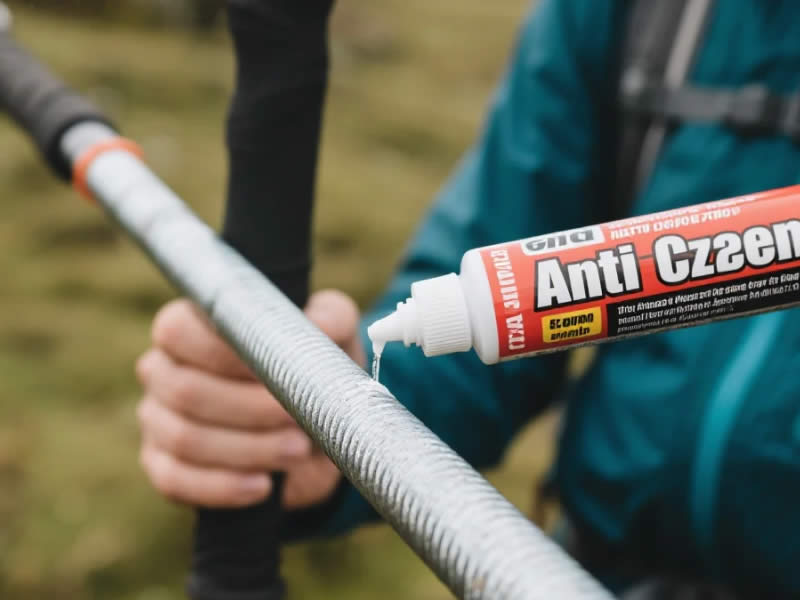
Why use anti-seize on pole threads?
Trekking pole threads—particularly on twist-lock collars and screw-on tips—are subject to high friction, moisture, and fine grit. Over time, this can lead to:
- Galling: Aluminium threads can seize together, making it impossible to unscrew the collar.
- Corrosion: Moisture and salt can cause aluminium oxide to form, further locking the threads.
- Wear: Friction grinds down the thread surfaces, leading to a loose fit.
A good anti-seize compound prevents these problems by providing a barrier between the metal surfaces, reducing friction and preventing corrosion.
Why copper-based anti-seize is the best choice
Copper-based anti-seize compounds are widely used in marine and automotive applications. They are ideal for trekking poles because:
- Excellent lubrication: The copper particles reduce friction, preventing galling even under high load.
- Corrosion resistance: Copper is a noble metal; it prevents galvanic corrosion between dissimilar metals (aluminium and steel).
- Water resistance: They are not water-soluble and will not wash out in wet conditions.
- High-temperature stability: Not a major factor for poles, but it means the compound won't degrade over time.
- Grit resistance: Unlike grease, copper compounds do not attract fine grit, so they don't become abrasive.
Alternatives:
- Graphite powder: Good for dry lubrication, but it washes out in wet conditions and doesn't provide the same level of anti-seize protection.
- Silicone grease: Water-resistant but not as effective at preventing galling.
- WD-40 or oil: Not recommended—they attract grit and evaporate quickly.
Recommended products available in the UK
1. Granville Copper Grease
- Where to buy: Cotswold Outdoor, Amazon UK, Halfords.
- Description: A high-quality copper anti-seize compound, widely used in automotive and marine applications. It comes in a small tube, perfect for outdoor gear.
- Price: ~£6-8.
2. Go Outdoors Anti-Seize Compound
- Where to buy: Go Outdoors stores.
- Description: Go Outdoors's own-brand copper-based compound. It is affordable and effective for trekking poles.
- Price: ~£4-5.
3. Permatex Anti-Seize Lubricant
- Where to buy: Amazon UK, some motor factors.
- Description: A premium product, often used in mechanical engineering. It offers excellent protection.
- Price: ~£8-10.
4. Comma Copper Grease
- Where to buy: Halfords, Amazon UK.
- Description: A well-known brand in the UK automotive market, reliable and widely available.
- Price: ~£5-7.
How to apply anti-seize to your pole threads
Step 1: Clean the threads
Before applying anti-seize, the threads must be clean.
- Remove the collar: Unscrew the twist-lock collar from the inner pole section.
- Clean thoroughly: Use a small brush (toothbrush) and isopropyl alcohol to remove old grease, dirt, and corrosion. For heavy buildup, use a degreaser.
- Dry completely: Ensure the threads are completely dry before applying new compound.
Step 2: Apply the compound
- Use sparingly: A tiny amount is enough—about the size of a grain of rice. Too much will squeeze out and attract dirt.
- Apply to the male threads: Use a toothpick or a small brush to coat the threads of the inner pole section. Work it into the threads.
- Do not apply to the locking surface: The anti-seize should only be on the threads of the collar, not on the surface that clamps against the outer tube. If it gets on the clamping surface, it can cause the pole to slip.
Step 3: Reassemble
- Screw the collar back on: Do it slowly to spread the compound evenly.
- Wipe off any excess: Use a clean cloth to remove any compound that squeezes out.
When to apply anti-seize
- Before a major trip: Apply before a long-distance hike (e.g., West Highland Way, Pennine Way).
- After cleaning: If you've deep-cleaned your poles, reapply anti-seize.
- When threads feel rough: If you notice grinding or stiffness when unscrewing the collar, it's time to clean and reapply.
- Once a year: Even if not used heavily, the compound can dry out over time. A yearly application is a good habit.
Important: don't use it on everything
Anti-seize is for threads only. Do not use it on:
- The sliding surfaces of the pole shaft (where the inner and outer tubes meet). It will cause the pole to slip.
- Flick-lock cams: Use dry graphite or a dry PTFE spray on cam surfaces.
Myths and misconceptions
"Copper grease will cause galvanic corrosion"
Incorrect. Copper grease is specifically designed to prevent galvanic corrosion by providing a barrier between dissimilar metals. The copper particles are not reactive with aluminium or steel.
"I need to use a lot for it to work"
False. A tiny amount is all that's needed. Excess compound will squeeze out and can contaminate the locking surface, causing the pole to slip.
Summary table
| Feature | Copper Anti-Seize | Graphite Powder | Oil / WD-40 |
|---|---|---|---|
| Prevents galling | Excellent | Good | Poor |
| Water resistance | Excellent | Poor | Poor |
| Grit attraction | Low | Low | High |
| Best for | Threads | Twist-lock threads | Not recommended |
The verdict
For UK hikers, copper-based anti-seize compound is the best lubricant for trekking pole threads. It prevents galling, resists moisture, and remains effective in the damp, muddy conditions of UK trails. Products like Granville Copper Grease, Go Outdoors Anti-Seize, or Permatex Anti-Seize are widely available and affordable. Apply it sparingly, only on the threads, and keep it away from the clamping surfaces. A small tube will last you for years, protecting your poles from corrosion and seizing, ensuring smooth adjustment for many miles of walking.




