




Is it worth buying a pole maintenance kit from a UK brand like Lifeventure?
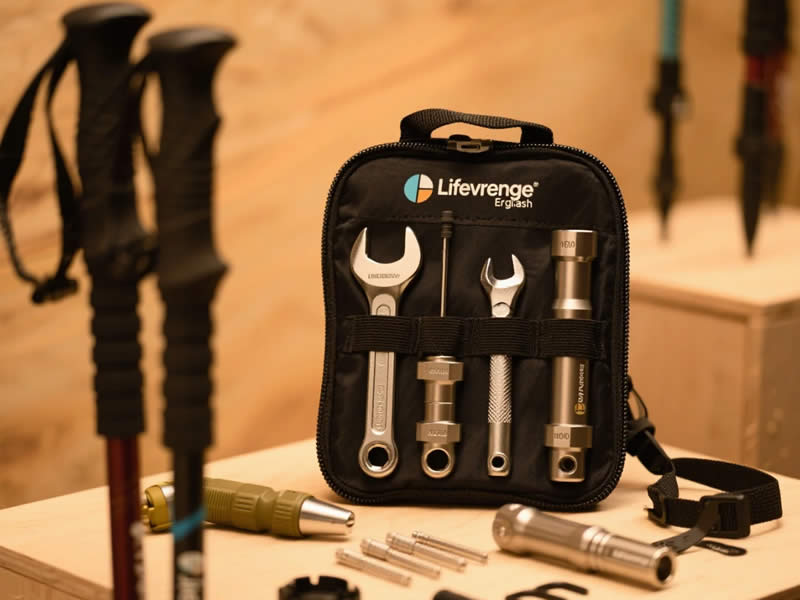
For most UK hikers: yes—it is a worthwhile investment. A typical Lifeventure maintenance kit (and similar kits from other UK brands) includes all the essential tools you need to keep your trekking poles in top condition: a diamond file for sharpening carbide tips, a cleaning brush, lubricant, and often spare parts like O‑rings or washers. While it is possible to assemble a DIY kit from individual items, a purpose‑built kit offers convenience, cost‑effectiveness, and portability—making it an excellent choice for those who want to extend the life of their poles.
Why pole maintenance matters
Trekking poles are exposed to mud, grit, salt, and constant mechanical stress. Without regular maintenance:
- Carbide tips become blunt, reducing grip on wet rock and increasing the risk of slipping.
- Threads become clogged with dirt, making it difficult to adjust the length.
- Locking mechanisms can seize, requiring force that may damage the pole.
A small investment in a maintenance kit can save you the cost of replacing a pair of poles—or worse, prevent an injury caused by a failing pole.
What a typical Lifeventure kit includes
The Lifeventure Trekking Pole Maintenance Kit (which is widely available on Amazon UK and through outdoor retailers) typically contains:
- Diamond file: A small, flat file with a diamond‑coated surface. This is the most important tool. It allows you to sharpen blunt carbide tips, restoring their grip. A sharp tip can penetrate wet rock and icy surfaces; a blunt tip skids.
- Cleaning brush: A small, stiff‑bristled brush (often with a pick on one end) for cleaning mud and grit from the threads of twist‑locks or the cam surfaces of flick‑locks.
- Lubricant: Typically a dry lubricant or a small tube of PTFE‑based grease. This is used on the threads of twist‑locks to prevent them from seizing, or on the sliding surfaces to reduce friction.
- Spare parts: Some kits include small O‑rings, washers, or clips that are common failure points.
The kit is usually supplied in a small, durable case that fits in a rucksack or a cupboard.
Cost‑effectiveness: kit vs. individual items
| Item | Cost if bought separately | Lifeventure Kit (RRP) |
|---|---|---|
| Diamond file (fine) | £10‑15 | Included |
| Cleaning brush | £3‑5 | Included |
| Dry lubricant | £6‑10 | Included |
| Spare O‑rings/washers | £2‑4 | Included |
| Total | £21‑34 | ~£20‑25 |
The kit is cheaper than buying the items individually, and you get everything in one compact package. For example, the Lifeventure kit is currently available for around £22 on Amazon UK, which is less than the cost of a good diamond file alone from many hardware stores.
The real value: the diamond file
The diamond file is the standout component. Many hikers don't realise that carbide tips can be sharpened—they assume they need to be replaced. A quick pass with a diamond file (at a 45° angle to the tip's facets) restores the sharp point, extending the tip's life by months or even years. A blunt tip is not just inefficient; it is dangerous on wet, slippery rock. The file is also useful for general cleaning of the tip's surface.
When is a maintenance kit NOT worth it?
- If you already own the tools: If you have a fine needle file (a small, pointed file) and a small brush, you can create a DIY kit. However, needle files are often too coarse for carbide, and you may not have a suitable lubricant.
- If your poles are disposable: If you use very basic, budget poles (e.g., from a supermarket or a basic Decathlon model), spares may not be available, and the maintenance kit may be overkill.
- If you rarely walk in wet conditions: If you only walk on well‑maintained paths in dry weather, your poles will need less maintenance.
Alternatives to a pre‑assembled kit
For those who prefer a DIY approach:
- Diamond file: Buy a small diamond-coated file from a hardware store (e.g., DMT or Eze‑Lap). Choose a medium/fine grit (400‑600 mesh) for carbide tips.
- Brush: An old toothbrush is a free alternative to a dedicated cleaning brush.
- Lubricant: Use a small tube of dry graphite powder (available from locksmiths) or PTFE spray. Avoid oil, which attracts grit.
- Spares: Buy a spare set of O‑rings or washers from a DIY store.
The total cost of a DIY kit is often similar to the Lifeventure kit, but you have to source the items individually.
Summary table
| Item | Lifeventure Kit | DIY Alternative |
|---|---|---|
| Diamond file | Included | DMT or Eze‑Lap (£8‑12) |
| Cleaning brush | Included | Old toothbrush |
| Lubricant | Included | Graphite powder (£5) |
| Spares | Included | O‑rings from DIY store |
| Convenience | High | Low |
| Total cost | ~£20‑25 | ~£15‑20 (but less convenient) |
The verdict
Yes, a pole maintenance kit from a UK brand like Lifeventure is worth buying for the vast majority of UK hikers. It offers a convenient, cost‑effective, and portable solution that includes the most important tool—a diamond file—alongside all the other essentials. For less than the cost of a replacement pair of carbide tips, it will extend the life of your poles, improve your safety on wet rock, and save you from the frustration of seized or gritty locks. If you already own a fine file and a brush, you could assemble a DIY kit, but for most walkers, the convenience and completeness of a pre‑assembled kit make it an excellent choice. Keep it in your gear cupboard, and use it before every long trip.




