




Do NHS-recommended walking poles differ from standard trekking poles?
Yes—NHS-recommended walking poles are fundamentally different from standard trekking poles. The difference is not merely cosmetic; it is a difference in design philosophy, intended use, and technique. NHS-recommended poles, often referred to as Nordic walking poles or rehabilitation poles, are specifically designed to be used as a fitness and rehabilitation tool, promoting a full‑body workout and reducing joint strain. Standard trekking poles, on the other hand, are designed for balance, stability, and support on uneven terrain. This article explains the key differences, the appropriate use cases, and what to look for if you are considering poles for health reasons.
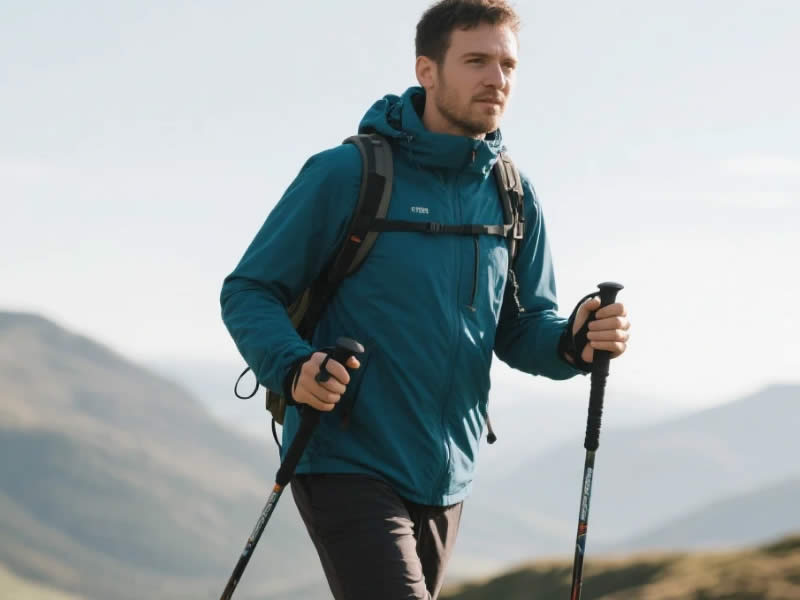
The fundamental difference: technique and strap design
The most significant difference lies in the wrist strap system. This single feature dictates the entire technique.
1. The wrist strap
- NHS/Nordic poles use a trigger‑strap (often called a "glove‑strap"). This is a wide, glove‑like strap that fits around the hand. The key feature is that you can completely release the handle during the backward push, and the strap transfers the power from your arm to the pole. This allows for a dynamic, full‑body movement that engages the core, arms, and shoulders. The strap is the mechanism for load transfer, not the grip.
- Standard trekking poles have a simple, adjustable wrist strap designed for security, not for load transfer. The strap is meant to prevent you from dropping the pole, and it provides a bit of support, but you grip the handle to transfer power.
The implication: With a trigger‑strap, you can push the pole back with a loose grip, engaging your lats and core. This is the essence of Nordic walking. With a standard strap, you grip the pole, which limits the upper body engagement and does not promote the same full‑body workout.
2. Pole length calculation
- NHS/Nordic poles: The correct length is calculated as 0.68 × your height in centimetres. This gives a shorter pole than a standard trekking pole. The shorter length encourages a more upright posture and a shorter, more frequent stride, which is biomechanically beneficial for rehabilitation.
- Standard trekking poles: The length is typically calculated as 0.70 × height (or using the "elbow at 90°" rule). This is for a longer stride, which is suitable for walking on uneven ground.
3. Shaft material and flex
- NHS/Nordic poles: Often made of lighter materials (e.g., high‑grade aluminium or carbon) with a slight flex in the shaft. This flex absorbs the impact of the pole plant and reduces the shock transmitted to the shoulders and arms. This is beneficial for older walkers or those with joint issues.
- Standard trekking poles: Heavier and stiffer, designed to withstand the forces of a heavy pack and rough terrain. They do not flex as much, which is fine for their intended purpose.
4. Tip design
- NHS/Nordic poles: Often have a flexible rubber ferrule with a small, integrated tungsten carbide pin. This design provides excellent grip on asphalt, grass, and dirt without damaging the surface. It is designed for use on varied urban and park surfaces.
- Standard trekking poles: Typically use a rigid tungsten carbide tip, which is designed for maximum grip on rock and hard-packed trails. They are not suitable for hard surfaces like concrete, as they can scratch and are loud.
The intended use: health and fitness vs. stability
NHS/Nordic poles: for rehabilitation and exercise
These poles are recommended by physiotherapists and GPs for:
- Improving cardiovascular fitness: The full‑body engagement raises the heart rate more than walking without poles.
- Reducing knee pain: The poles transfer weight to the upper body, reducing the load on the knees.
- Improving posture: The technique encourages an upright posture, which is beneficial for back health.
- General rehabilitation: For patients with hip replacement, knee issues, or balance problems.
They are designed to be used on flat, even surfaces (parks, promenades, pavements) with a specific, rhythmic technique.
Standard trekking poles: for outdoor walking
These are designed for:
- Balance on uneven ground: The poles provide support on rocky, muddy, or steep terrain.
- Stability: They help you maintain your footing, especially when carrying a heavy pack.
- Knee protection: The load transfer on descents is similar to Nordic poles, but the technique is different.
They are designed for trails, hills, and off‑road walking.
Which one should you choose?
- If a physiotherapist or GP has recommended walking poles for health reasons (e.g., back pain, knee issues, balance problems), buy Nordic walking poles with the correct trigger‑strap system. They are the only poles designed for the technique you will be taught.
- If you are an experienced walker who wants to reduce knee strain on steep descents while hiking, standard trekking poles are the right choice.
If you are unsure, you can use standard trekking poles with a Nordic technique, but you will not get the same engagement because the strap is different. It is better to buy the correct tool for the job.
Where to buy
- Nordic walking poles: Look for brands like Exel, Leki (with the "Trigger" system), Swix, and Komperdell. They are available from specialist Nordic walking retailers, physiotherapy supply shops, and online.
- Standard trekking poles: Cotswold Outdoor, Go Outdoors, Decathlon, and other outdoor retailers.
Summary table
| Feature | NHS/Nordic Walking Poles | Standard Trekking Poles |
|---|---|---|
| Wrist strap | Trigger‑strap (glove‑like) | Simple strap (for security) |
| Length calculation | 0.68 × height | 0.70 × height (or 90° rule) |
| Shaft | Lightweight, slight flex | Heavier, stiff |
| Tip | Rubber ferrule + small pin | Rigid tungsten carbide |
| Technique | Full‑body, rhythmic push | Balanced support, plant and push |
| Best for | Fitness, rehabilitation | Hiking, uneven terrain |
The verdict
Yes, NHS-recommended walking poles differ significantly from standard trekking poles. The difference is not just in the name—it lies in the strap system, the length calculation, and the intended use. For health and fitness purposes, Nordic walking poles with the trigger‑strap are the correct tool. Standard trekking poles are for balance and stability on trails. If you are using poles as part of a rehabilitation programme, invest in Nordic poles. They will be far more effective and comfortable than a standard trekking pole used incorrectly. As always, consult a physiotherapist or an outdoor specialist to help you choose the right poles for your needs.




