




What is the best pole for a senior citizen with tremors or Parkinson's?
For a senior citizen with tremors or Parkinson's disease, the best "pole" is not a standard trekking pole at all. Instead, the safest and most effective walking aid is a specialised walking stick or frame designed for neurological conditions—typically a wide‑base walking stick or a quad cane with an ergonomic handle. These aids are designed to provide maximum stability, reduce the risk of dropping the aid, and accommodate the involuntary movements associated with tremors. This article explains why standard poles are unsuitable, reviews the recommended types of walking aids, and provides a comprehensive guide to choosing the right one.
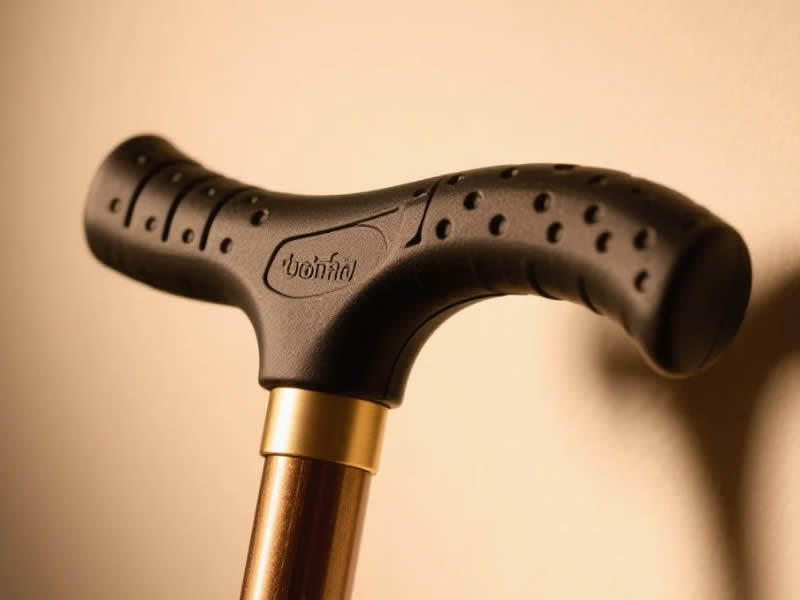
Why standard trekking poles are unsuitable
A standard trekking pole has a single, small tip and a wrist strap designed for a controlled, rhythmic motion. For a person with tremors or Parkinson's, this design is problematic:
- Single point of contact: A single tip does not provide enough stability. If a tremor causes the pole to wobble, the user may lose their balance.
- Wrist strap: The strap is designed to transfer load to the arm, but for someone with involuntary movements, a strap can cause the pole to swing unpredictably, increasing the risk of a fall.
- Grip: Standard trekking grips are often narrow and hard, which is difficult for a person with reduced fine motor skills to hold securely.
- Weight: Many trekking poles are heavy, which can be tiring for a person with Parkinson's who may already have fatigue issues.
Verdict: Trekking poles are not suitable for people with tremors or Parkinson's. They are designed for a different purpose.
The recommended walking aids for tremors and Parkinson's
1. Wide‑base walking stick (or "four‑point" cane)
This is the most common and effective aid for people with balance issues. It has four small feet (a quad base) that provide a wide, stable footprint.
- Why it works: The four points of contact spread the load, making the aid far more stable than a single‑point cane. If a tremor causes a slight wobble, the wide base keeps the stick upright.
- Adjustability: The height is adjustable, which is essential for a correct fit.
- Weight: Aluminium versions are lightweight and easy to manage.
2. Offset handle walking stick
An offset handle is angled forward, which places the user's weight directly over the centre of the stick. This reduces wrist strain and makes it easier to push down on the stick.
- Why it works: The offset design is more ergonomic than a straight handle, reducing the effort required to hold the stick.
- Comfort: Many offset handles have a soft, contoured grip that is easier to hold.
3. Walking stick with a "tremor‑reducing" feature
Some walking sticks incorporate a weighted base or a damping system that absorbs some of the tremor's energy. This can provide a more stable feel.
- How it works: The additional weight at the base of the stick lowers the centre of gravity, reducing the effect of small involuntary movements.
- Effectiveness: This can be a significant benefit for some users, but it is not a substitute for a wide base.
4. Walking frame (rollator)
For people with more significant balance or mobility issues, a wheeled walker (rollator) with four wheels and a seat may be the safest option. It provides a wide, stable base and offers the support of a seat for resting.
- Why it works: A rollator offers the highest level of stability and is designed for people who need frequent rests.
- Considerations: It is larger and heavier than a walking stick, but it may be the safest option.
Key features to look for
1. Wide base (quad or four‑point)
This is the most important feature. A wide base provides stability and reduces the risk of the aid tipping over.
2. Ergonomic handle
The handle should be large, contoured, and made of a soft, non‑slip material (e.g., rubber or soft foam). A pistol‑grip or offset handle is easier to hold and reduces wrist strain.
3. Adjustable height
The walking aid must be adjusted to the user's height. A physiotherapist can recommend the correct height (the handle should be at wrist level when the arm is hanging naturally).
4. Lightweight construction
Aluminium is the best material—it is lightweight, strong, and easy to handle. Carbon fibre is also lightweight but more expensive.
5. Wrist strap (optional)
A simple wrist strap can prevent the stick from being dropped, but it must be easy to release. A strap that is too tight could cause the stick to swing uncontrollably.
6. Foldable (for transport)
If the user needs to travel with the stick, a folding design is useful. However, a folding stick may be less stable than a rigid one, so it is a trade‑off.
Professional advice is essential
A physiotherapist or occupational therapist is the best person to advise on the correct walking aid for a person with Parkinson's or tremors. They will assess:
- The type and severity of the tremor.
- The user's balance, strength, and gait.
- The environment where the aid will be used (e.g., indoors, outdoors, on uneven ground).
They can also provide training on how to use the aid safely and effectively. Many NHS trusts have "falls prevention" services that can provide a walking aid free of charge.
Where to buy
- NHS / local authority – Many trusts provide a basic walking stick free of charge following an assessment.
- Ability Superstore – A specialist mobility retailer with a wide range of walking aids.
- Complete Care Shop – Another specialist retailer with a good selection.
- NRS Healthcare – A national supplier of community equipment.
Summary table
| Walking Aid | Pros | Cons | Best For |
|---|---|---|---|
| Wide‑base (quad) cane | Very stable, lightweight | Less portable than a stick | Most people with tremors |
| Offset handle stick | Ergonomic, reduces wrist strain | May not be as stable as a quad | Users with good balance but wrist strain |
| Weighted base stick | Dampens tremor effect | Heavier | Those with a mild tremor |
| Rollator (walker) | Maximum stability, seat for rests | Larger, heavier | Severe balance or mobility issues |
What to avoid
- A single‑point walking stick: Not stable enough for someone with tremors.
- A trekking pole: Not designed for this purpose.
- A handle that is too small: A narrow grip is difficult to hold.
- A stick that is too long or too short: This increases the risk of falls.
The verdict
For a senior citizen with tremors or Parkinson's, the best walking aid is not a trekking pole but a specialised walking stick or frame. The safest and most effective option is a wide‑base (quad) cane with an ergonomic, offset handle and an adjustable height. This provides a stable base that compensates for tremors, reduces the risk of falls, and is easy to hold. A physiotherapist or occupational therapist should always be consulted to ensure the correct aid is chosen and correctly adjusted. For many, the NHS can provide a suitable aid free of charge. With the right aid, a person with Parkinson's can walk with greater confidence and safety.




