




Can a pregnant woman use trekking poles to maintain balance on mild UK trails?
Can a pregnant woman use trekking poles to maintain balance on mild UK trails?
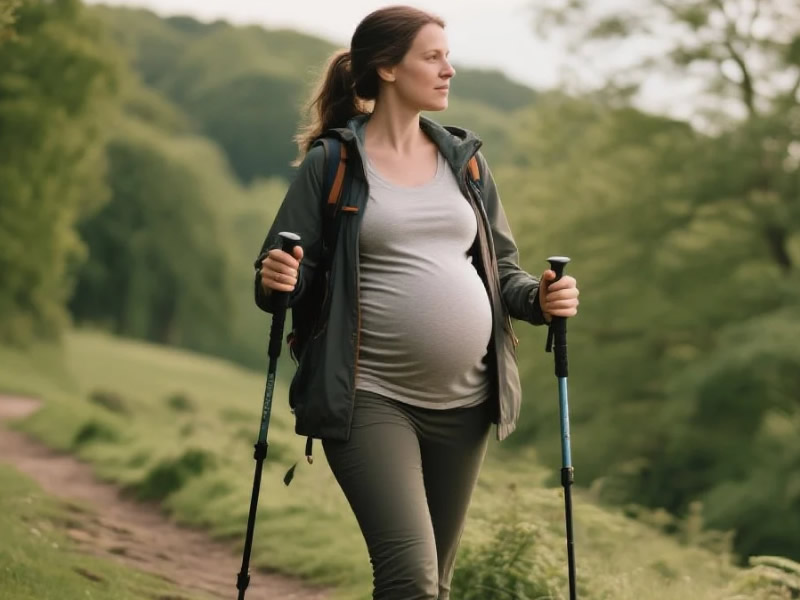
Yes—with careful consideration and strict precautions. Trekking poles can provide valuable balance support on mild UK trails, helping to reduce the risk of slips and falls. However, pregnancy is a time of significant physical change, and the use of trekking poles must be approached with caution. They are not a substitute for medical advice, and you must consult your GP, midwife, or physiotherapist before using them. This article explains the potential benefits, the critical safety measures, and the situations where poles should be avoided.
The benefits: why poles can help
Pregnancy alters your centre of gravity, loosens ligaments (due to relaxin), and can cause joint instability. These changes increase the risk of falls, even on gentle trails. Trekking poles can help by:
- Providing two extra points of contact: This improves stability, particularly on uneven ground, wet grass, or gentle slopes.
- Reducing the load on the pelvis: By transferring some weight to your arms, poles can ease pressure on the pelvic joints, which is a common source of pain in pregnancy.
- Offering tactile feedback: The poles act as "feelers" to test the ground ahead, helping you avoid hidden obstacles.
- Encouraging a more upright posture: Poles can help you maintain a balanced, upright stance, reducing the strain on your lower back.
The critical precautions: safety first
1. Consult your healthcare provider
This is the most important step. Your GP or midwife can assess your individual health and advise whether poles are suitable for you. If you have any pregnancy-related conditions (e.g., pelvic girdle pain, pre-eclampsia, or a history of falls), you may be advised against using poles.
2. Choose the right trail
"Moderate" means flat, even, and well-maintained paths. Stick to:
- Canal towpaths: Wide, flat, and usually hard-packed.
- Forest tracks: Gentle, wide paths, typically with a firm surface.
- Coastal or riverside paths: Level and well-defined.
Avoid steep, rocky, or uneven trails, as they increase the risk of stumbling. If the path has exposed roots, loose stones, or a steep camber, it is not suitable.
3. Use the correct technique
- Push, don't pull: The pole is for pushing down, not pulling yourself uphill. Pulling can strain the abdominal muscles.
- Keep your core relaxed: Avoid bracing your core tightly, which can increase intra-abdominal pressure.
- Use a short, gentle swing: Avoid a long, reaching stride. Keep the movement small and controlled.
4. Adjust the wrist straps
Pregnancy can cause carpal tunnel syndrome (swollen wrists), making tight straps uncomfortable or even painful.
- Use loose, easily released straps: The strap should be adjustable so you can quickly release your hand.
- Avoid tight straps: A tight strap can cut off circulation or press on nerves.
5. Listen to your body
Pregnancy is a time of rapid change. What feels fine one day may not the next.
- Stop if you feel any pain, discomfort, or dizziness.
- Take regular breaks: Fatigue can affect your balance.
- Stay hydrated: Dehydration can cause dizziness, which is a particular risk during pregnancy.
6. Use two poles
Two poles provide better balance than one. They also distribute the load evenly, reducing asymmetrical strain on your pelvis.
When to avoid using poles
1. Pelvic Girdle Pain (PGP) or Symphysis Pubis Dysfunction (SPD)
If you have PGP or SPD, the repetitive motion of planting poles can aggravate the pelvic joints. The poles require a rotational movement that can cause pain. Some women with PGP do use poles for short distances on flat ground, but you must consult your physiotherapist first.
2. Carpal tunnel syndrome
If you have carpal tunnel, gripping a pole can exacerbate the condition. Look for poles with ergonomic grips that reduce pressure on the wrist.
3. A history of falls
If you have had a fall during pregnancy, or if you are at a higher risk due to balance issues, poles may not be safe. You should consult your healthcare provider for alternative ways to maintain mobility.
4. Fatigue or dizziness
Pregnancy can bring on unexpected fatigue or dizziness. If you feel unsteady, do not walk on any terrain, even with poles.
Practical tips for using poles
- Start with a short walk: On a familiar, flat path, test how your body responds to the poles. If you feel any pulling sensation in your abdomen, stop.
- Wear supportive footwear: Good walking boots with a firm sole and ankle support are essential.
- Use a waist belt: Keep the poles close to your body when not in use. A waist belt prevents them from swinging and catching on vegetation.
- Choose cork grips: Cork grips are more comfortable and absorb sweat, reducing the risk of slipping.
- Avoid walking in wet or icy conditions: Slippery surfaces are a major fall risk.
When poles are a good idea
- For gentle, flat walks: The poles provide extra confidence and stability.
- For walks longer than usual: Poles can help distribute the load, reducing fatigue.
- For walkers with a history of falls: With medical clearance, poles can be a valuable tool for reducing the risk.
Summary table: key considerations
| Factor | Recommendation |
|---|---|
| Medical consultation | Mandatory |
| Terrain | Flat, even, well-maintained paths only |
| Pole count | Two poles |
| Technique | Push, don't pull; short, gentle swing |
| Wrist straps | Loose, easily released |
| Stop if | You feel pain, dizziness, or pulling in the abdomen |
The verdict
Trekking poles can be a safe and beneficial tool for maintaining balance on mild UK trails during pregnancy, provided you have medical clearance and follow strict safety precautions. They offer extra stability, reduce the load on the pelvis, and can make a walk more comfortable and enjoyable. However, they are not suitable for everyone, and the terrain must be carefully chosen. Always listen to your body, and stop if you experience any discomfort. For the best advice, consult your GP, midwife, or a physiotherapist who can assess your individual needs and recommend a safe walking plan. With the right precautions, you can enjoy the benefits of the UK's beautiful trails while staying safe and healthy.




