




Why do British people call them "walking poles" instead of "hiking poles"?
In British English, "walking" is the default, all-encompassing term for any pedestrian activity, while "hiking" carries a specific, vigorous American-style connotation. Because Brits use these poles on everything from a gentle canal towpath stroll to a scramble up a Welsh mountain, "walking poles" is the more inclusive and widely used term in UK shops, literature, and walking communities. The difference is not about the equipment itself—it is a reflection of language, culture, and the British approach to the outdoors.
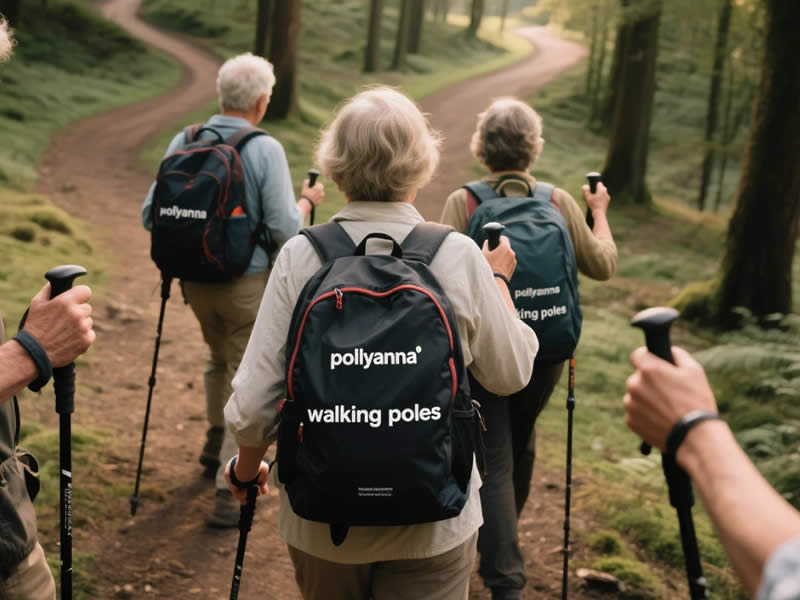
The cultural weight of "walking" in the UK
In the UK, "walking" is a national pastime with a long, unbroken history. It is the everyday term for putting one foot in front of the other, whether you are going to the shops, taking the dog out, or traversing a ridgeline in the Lake District. The word "hiking" is an American import that arrived in the mid‑20th century. To many Brits, "hiking" sounds like something you do in hiking boots with a large backpack on a distant, rugged trail—it feels slightly foreign and purposive.
The British institution The Ramblers (formerly the Ramblers' Association) has championed "rambling" and "walking" for decades. The term "hill walking" is commonly used for mountainous terrain. By contrast, "hiking" never quite embedded itself in the British psyche because the concept was already perfectly covered by "walking." When the first modern adjustable walking poles arrived in the UK from the Nordic countries (via the fitness trend of Nordic Walking), they were naturally adapted to the existing cultural framework. Since people were already "walking," they became "walking poles."
The specific, vigorous Americanism: "hiking"
To the British ear, "hiking" often implies a specific type of long, energetic, and potentially challenging walk, usually on trails, carrying a pack, and often done in wilderness settings. It was popularised in the US by organisations like the Appalachian Trail Conservancy. When a British person says, "I'm going hiking," they are often deliberately invoking that American wilderness connotation. For everyday use, "walking" is the simpler, native, and preferred term.
A 2022 survey by YouGov found that Brits are significantly more likely to use "walking" (87%) than "hiking" (12%) to describe their outdoor activity. This linguistic habit naturally carries over to the equipment: if you are walking, you use walking poles.
Retail and marketing realities
Walk into any Cotswold Outdoor, Go Outdoors, or Decathlon UK store, and you will find the aisle labelled "Walking Poles" or "Trekking Poles." You will rarely see a "Hiking Poles" section.
- Decathlon UK: Uses "Walking Poles" as a primary category.
- Go Outdoors: Lists them under "Walking & Trekking Poles."
- Cotswold Outdoor: Categorises them as "Walking & Trekking Poles."
The term "hiking" is often used for the packaging of budget brands or generic products sold on Amazon UK, reflecting the globalisation of language. But the established, traditional UK retail sector sticks with the native "walking." The phrase "Trekking Poles" is also very common in the UK—often used interchangeably with "Walking Poles"—but it tends to imply more challenging, multi‑day expeditions (the "trek" connotation), leaving "walking" as the broadest, most inclusive term.
Functional inclusivity
A trekking pole is just as useful for a 70‑year‑old walking on a flat promenade as it is for a trail runner descending a steep slope. The term "walking" covers the entire spectrum of use. If you called them "hiking poles," you might alienate the casual walker or the rehabilitation patient. By using "walking," the equipment is marketed as accessible to everyone. This is a clever retail decision: it broadens the potential customer base.
The "Trekking" nuance
While "walking" is the umbrella term, "trekking" is the second most common term in the UK. A "trek" implies a long, potentially arduous journey, often in a remote landscape. The term "Trekking Poles" is frequently used for more robust, flick‑lock poles designed for rougher terrain. However, even high‑end gear reviews in UK publications (like TGO magazine) frequently use "walking poles" in the headline, while "trekking poles" is common in the body text. This shows they are largely interchangeable, but the broad, accessible "walking" still holds the cultural high ground.
A linguistic map
| Term | Connotation in the UK |
|---|---|
| Walking | The default, all‑encompassing term for any pedestrian activity. Accessible, native, and widely used. |
| Hiking | American import; implies a specific, vigorous, trail‑based, backpack‑carrying activity. Rarely used in everyday speech. |
| Trekking | Implies a long, multi‑day expedition, often in remote or mountainous terrain. |
| Walking Poles | The catch‑all name for the equipment in UK shops and clubs. |
| Trekking Poles | A common alternative, often implying a sturdier model for rough terrain. |
The verdict
British people call them "walking poles" instead of "hiking poles" because "walking" is the culturally embedded, native term for all pedestrian activity in the UK. "Hiking" is perceived as a specific Americanism, reserved for long, arduous wilderness treks, and does not cover the full spectrum of use. The UK retail sector and walking communities (like the Ramblers) have naturally adopted "walking poles" as the inclusive, accessible, and accurately descriptive term for equipment that supports the simple, quintessential British act of walking—whether that's a short, flat stroll or a tough climb up a Peak District ridge.




