




What is the UK-specific jargon for the "locking collar" on telescopic poles?
In the UK, the "locking collar" on a telescopic trekking pole is most commonly referred to simply as the "collar". If you are specifying the mechanism, the most widely used term is "twist‑lock collar" or just "twist‑lock". However, it is important to note that the terminology depends entirely on the type of locking system, because British walkers distinguish sharply between a twist‑operated collar and a lever‑operated clamp.
This article explains the specific UK jargon, how the terms are used in shops and forums, and what to say when you need a replacement part.
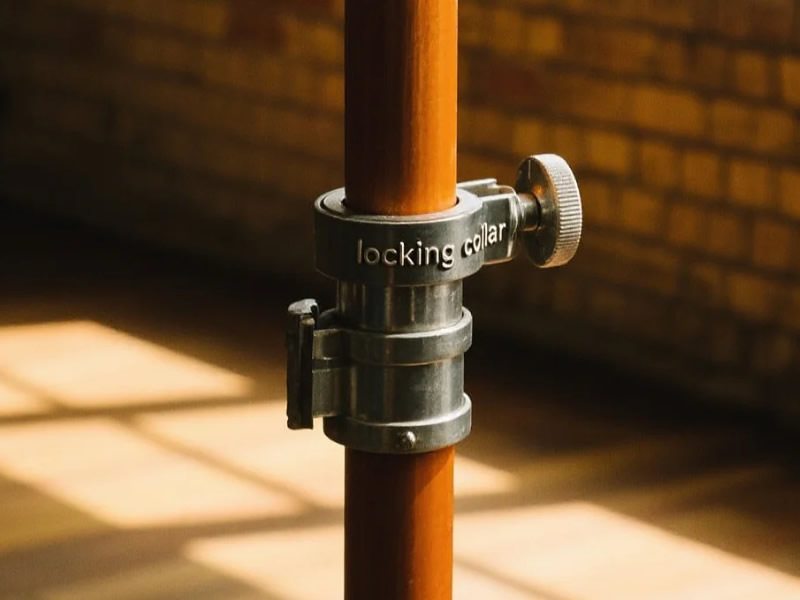
The general term: "collar"
Across the UK outdoor industry—from the shelves of Cotswold Outdoor and Go Outdoors to gear reviews in TGO magazine—the rotating part of a twist‑lock mechanism is simply called a "collar". It is the universal, catch‑all term understood by every retailer and walker.
- In product descriptions: You will see phrases like "the collar must be tightened fully" or "unscrew the collar to adjust the length."
- In forums: A typical post will say, "My collar is stuck—how do I free it?"
If you walk into a shop and ask for a "new collar for my poles," the staff will immediately understand what you mean. They may then ask whether you need a twist‑lock or a flick‑lock, but "collar" is the correct starting point.
The specific jargon for twist‑locks: "twist‑lock collar"
When the locking mechanism is operated by rotating the collar, the standard UK term is "twist‑lock" or "twist‑lock collar". This distinguishes it from a lever‑operated lock.
- Typical usage: "These poles have a twist‑lock collar that tends to slip when wet."
- In shops: You will find the term on product packaging and in spare parts listings (e.g., "Replacement twist‑lock collar for Leki poles").
A twist‑lock works by rotating the collar to tighten an internal expander. In the UK, this is almost always called a "twist‑lock" rather than a "screw‑lock" or "rotation lock."
The crucial distinction: "collar" vs. "flick‑lock" (or "lever‑lock")
This is where British terminology becomes specific. A "flick‑lock" (or "lever‑lock") is a completely different mechanism, and it is not called a "collar."
- Flick‑lock (lever‑lock): This uses a cam lever that you push down to clamp the pole. The UK term for this mechanism is "flick‑lock" (the most common term) or "lever‑lock" (also understood).
- Why it matters: If you ask for a "collar" for a pole with a flick‑lock, you will confuse the staff because a flick‑lock does not have a collar—it has a lever and a cam.
Key UK rule: If it rotates, it's a "twist‑lock collar". If it's a lever, it's a "flick‑lock" or "lever‑lock" (never a collar).
Brand‑specific jargon
UK walkers often adopt brand names for specific mechanisms, even when speaking generally:
- SpeedLock: Leki's proprietary twist‑lock system. Walkers will say, "I need a SpeedLock collar for my Leki poles."
- FlickLock: Black Diamond's lever system. You will hear, "The FlickLock on my Black Diamonds is great."
- PowerLock: Komperdell's system.
While these are brand names, they are common in UK forums and are understood by retailers. However, for generic parts, the general terms "twist‑lock" and "flick‑lock" are far more common.
What to say when buying a replacement
If you are in a UK shop and need a replacement, the correct phrasing depends on the mechanism:
- If you have a twist‑lock: "I need a replacement twist‑lock collar for my poles. They are [brand/model]."
- If you have a flick‑lock (lever‑lock): "I need a replacement lever or a new flick‑lock mechanism for my poles."
If you are buying online, search for "twist‑lock collar" (with the brand name, if possible) or "flick‑lock lever".
What not to say
- "Locking ring": This is rarely used in the UK and may be confused with a retaining ring.
- "Twist grip": This is an Americanism and will be understood but may sound odd.
- "Clamp": This is sometimes used, but "collar" is more precise for the twist variety.
A quick forum test
On UK hiking forums (Walkhighlands, UKClimbing), a search for "collar" will yield results about twist‑locks. A search for "flick‑lock" will yield results about lever mechanisms. The community is consistent in its terminology: "collar" = twist mechanism; "flick‑lock" = lever mechanism.
Summary table
| UK Term | Mechanism | Example |
|---|---|---|
| Collar | General term for rotating lock | "The collar is stuck." |
| Twist‑lock collar | Rotating to tighten | "The twist‑lock collar needs replacing." |
| Twist‑lock | Short for twist‑lock collar | "It's a twist‑lock pole." |
| Flick‑lock | Lever‑operated clamp | "My flick‑lock is jammed." |
| Lever‑lock | Alternative for flick‑lock | "The lever‑lock is a great design." |
The verdict
The UK‑specific jargon for the "locking collar" on telescopic poles is "collar", with the specific mechanism referred to as a "twist‑lock collar" or simply "twist‑lock". It is essential to distinguish this from a "flick‑lock" (lever‑lock), which is a different mechanism entirely and is not called a collar. When buying a replacement, use the phrase "twist‑lock collar" for rotating mechanisms and "flick‑lock" (or "lever‑lock") for lever mechanisms. This will ensure you get the correct part and are understood by UK retailers and fellow walkers.




