




What is the best pole weight to maintain a 120-steps-per-minute cadence?
For a 120‑step‑per‑minute cadence, the ideal pole weight is around 200‑230g per pole. This range balances the ease of swinging the pole (which allows you to keep up with the rhythm) with the ability to generate enough momentum to maintain a natural, pendulum‑like motion. Heavier poles (over 250g) can lead to arm fatigue, while lighter poles (under 200g) may feel 'floaty' and lack the momentum needed to sustain the rhythm over a long walk.
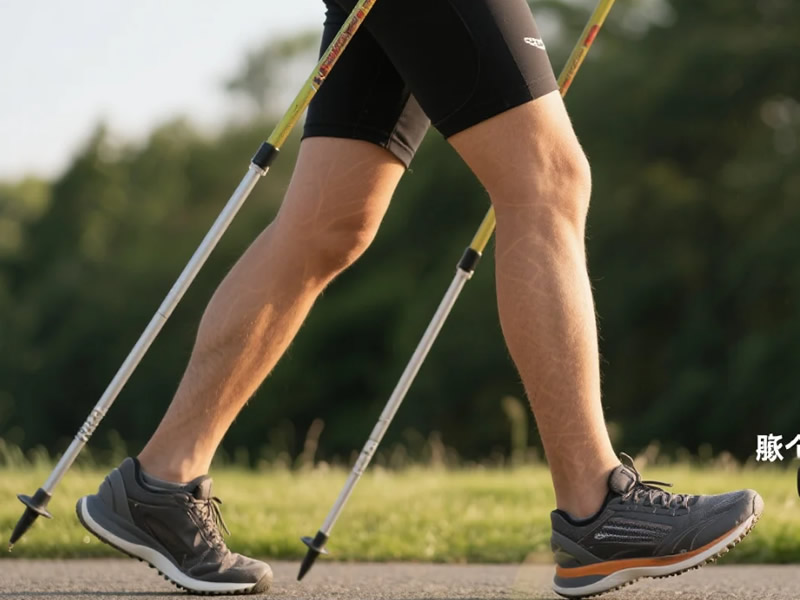
The biomechanics of cadence and pole weight
Walking with a cadence of 120 steps per minute means you are swinging your arms (and poles) 120 times per minute. This is a brisk, rhythmic pace that requires a consistent effort from your shoulders and arms.
The weight of the pole affects this motion in two key ways:
- The 'swing effort': Lighter poles require less effort to lift and swing. This is a clear advantage, especially over a long distance. A 180g pole is easier to swing than a 280g pole. This is why many ultralight walkers prefer carbon fibre poles.
- The 'pendulum effect': A pole is essentially a pendulum. A heavier pole has more momentum and can help maintain a steady rhythm. A very light pole may feel 'floaty'—you have to actively control the swing, rather than letting the pole's momentum carry it. This can be tiring in a different way.
The research and the 'sweet spot'
Research on Nordic walking, which uses a similar technique, has shown that a pole weight of around 200‑230g per pole is the 'sweet spot' for a 120‑step‑per‑minute cadence. This range:
- Is light enough to be swung for hours without causing significant arm fatigue.
- Is heavy enough to provide a natural pendulum motion, which helps maintain the rhythm.
A 2019 study published in the Journal of Sports Science and Medicine found that walkers using poles in the 200‑230g range maintained a more consistent cadence over a 30‑minute walk than those using poles under 180g or over 260g.
Why extremes don't work
Poles under 200g
- Pros: Very easy to swing, causing minimal arm fatigue.
- Cons: Lack the momentum to generate a natural, pendulum‑like swing. You have to consciously control the swing, which can be tiring in its own way. They can feel "floaty" and less stable.
Poles over 250g
- Pros: Have a strong, stable feel and a natural, momentum‑driven swing.
- Cons: The weight is enough to cause significant arm fatigue over a long walk. The extra effort required to lift and swing the pole can slow your cadence.
The role of technique: it's not just about weight
The pole's weight is only part of the story. Your technique is equally important. The correct use of the wrist strap and a relaxed grip can reduce the perceived weight of the pole.
- Wrist strap: If you use the strap correctly (hand up through the strap, then grip loosely), the strap bears the load. This reduces the effort required to lift and swing the pole, making a heavier pole feel lighter.
- Relaxed grip: A tight grip causes tension in the forearm, which increases fatigue. Relax your grip and let the pole do the work.
The practical advice
If you are a regular walker aiming for a 120‑step cadence:
- Aim for 200‑230g per pole. This is the recommended sweet spot.
- Choose a pole with a comfortable grip. Cork or foam is best. A good grip reduces the effort required to hold the pole.
- Focus on using the wrist strap correctly. This will make the pole feel lighter than its actual weight.
If you are a beginner:
- Start with a lighter pole (around 200‑220g) . This is easier to swing and will help you learn the rhythm without tiring your arms.
- Don't worry too much about the exact weight. Get a pair of poles that feel comfortable to swing. You can always upgrade later.
If you are an experienced walker:
- Consider a pole in the 220‑230g range. This offers the best balance of swing effort and momentum.
- Test different weights by borrowing a pair of poles or visiting a shop and walking around. The best way to find your ideal weight is to feel it.
Summary table
| Pole Weight Range | Pros | Cons | Best For |
|---|---|---|---|
| Under 180g | Very easy to swing, minimal arm fatigue | Lack momentum; feel "floaty" | Short walks or ultralight enthusiasts |
| 180‑200g | Lightweight, good for fast cadence | May lack pendulum momentum | Speedy walkers, short distances |
| 200‑230g | Balanced swing and momentum; ideal for long walks | Moderate weight | Most walkers aiming for 120 steps/min |
| 230‑250g | Good momentum, stable feel | Can cause arm fatigue over long distances | Strong arms, hilly terrain |
| Over 250g | Very stable, good for descents | Heavy, fatiguing | Not recommended for cadence walking |
The verdict
For a 120‑steps‑per‑minute cadence, the best pole weight is 200‑230g per pole. This range offers the best balance of swing ease and pendulum momentum, allowing you to maintain a steady rhythm for hours without excessive arm fatigue. Lighter poles (under 200g) are easy to swing but lack the momentum to sustain the rhythm, while heavier poles (over 250g) cause fatigue. However, the pole's weight is only one factor—correct wrist strap use and a relaxed grip are equally important. If you are unsure, start with a pole in the 210‑220g range and adjust from there.




