




Can trekking poles help with recovery walk during interval training?
Yes—trekking poles can significantly enhance recovery walks during interval training. A recovery walk is not just a passive rest; it is an active recovery phase that helps clear metabolic waste, reduce muscle soreness, and prepare your body for the next high‑intensity effort. By using trekking poles during this phase, you can transform the recovery walk from a simple "cool‑down" into a more effective, low‑impact recovery tool. This article explains how poles help, provides a practical protocol for their use, and discusses the scientific principles behind the benefits.
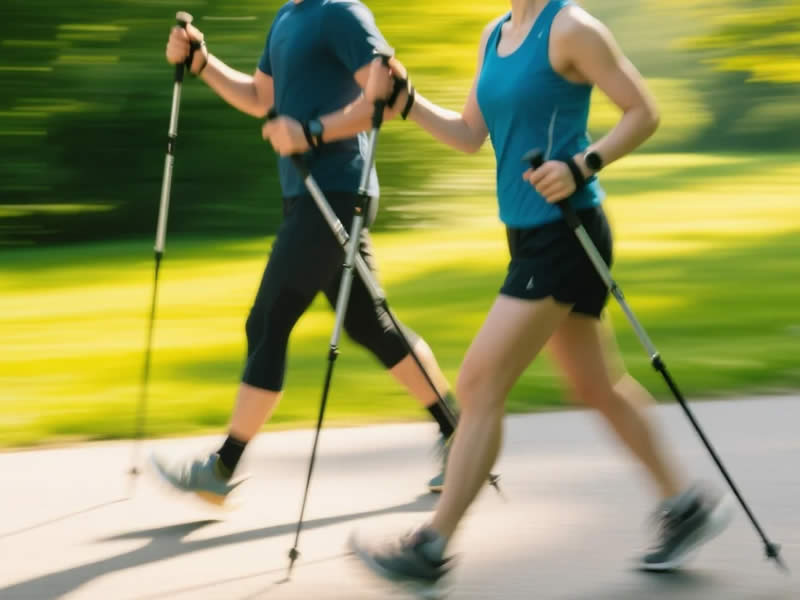
The physiology of recovery walks
Interval training alternates between high‑intensity efforts (running, fast walking, or cycling) and low‑intensity recovery periods. During the high‑intensity phase, your muscles produce lactate and hydrogen ions, which contribute to fatigue and a drop in pH. The recovery phase allows your body to:
- Clear lactate: Active recovery (walking) is more effective than passive rest (sitting) at clearing lactate from the blood.
- Restore oxygen: Light activity promotes blood flow, which delivers oxygen to the muscles and helps replenish ATP stores.
- Reduce muscle stiffness: Low‑intensity movement prevents the muscles from tightening up, reducing post‑exercise soreness.
A recovery walk is a low‑impact, controlled activity that serves these purposes. However, it is still a weight‑bearing activity, and your legs are still working. This is where trekking poles can make a significant difference.
How trekking poles enhance recovery walks
1. Reduced leg strain
During the recovery walk, your legs are already fatigued. The natural tendency is to walk with a slower, heavier stride, which can actually increase the load on your joints and muscles. Trekking poles transfer up to 30% of your body weight from your legs to your arms. This reduces the load on your quadriceps, calves, and knees, allowing them to relax and recover more effectively.
The effect: Your legs experience a lower mechanical load, which reduces the perception of fatigue and allows for a more efficient recovery.
2. Improved posture and breathing
During a recovery walk, you may naturally slouch or lean forward, especially if you are tired. This posture restricts your diaphragm, reducing your breathing efficiency. Trekking poles encourage an upright posture, opening your chest and improving your breathing. This enhances oxygen delivery to your muscles, which is essential for clearing metabolic waste.
The effect: Improved oxygen uptake accelerates the recovery process and reduces the time needed to restore muscle function.
3. Enhanced circulation
The rhythmic arm swing of using poles promotes blood flow from the lower body back to the heart. This venous return is essential for clearing lactate and other metabolic by‑products from the leg muscles. The poles act as a "pump," using your arm movement to assist the circulatory system.
The effect: Faster clearance of metabolic waste, reducing muscle soreness and stiffness.
4. Maintained cadence
During interval training, the recovery walk is often the phase where you slow down the most. This can break your rhythm and make it harder to restart the next interval. Poles help you maintain a steady, relaxed walking rhythm. The 1:1 rhythm (one pole plant per step) provides a consistent cadence that prevents you from slowing down too much.
The effect: A steadier recovery walk helps maintain your overall workout rhythm, making it easier to transition back into the high‑intensity phase.
How to use poles for recovery walks
1. Keep a relaxed pace
The recovery walk is not a workout. Use a slow, gentle pace (e.g., 4‑5 km/h). The poles should feel like a support, not a propellant.
2. Shorten your poles slightly
A slightly shorter pole (3‑5 cm less than your standard length) encourages a relaxed, upright posture. This reduces the effort required to swing the poles and helps you stay relaxed.
3. Focus on the push
With each plant, push down gently. This transfers weight to your arms and reduces the load on your legs. Do not push hard—the goal is to offload, not to generate power.
4. Use a relaxed grip
A tight grip creates tension in your arms and shoulders, which is counterproductive during recovery. Use the wrist strap to bear the load and keep your grip loose.
5. Walk with a natural rhythm
Match the pole plant to your step in a 1:1 rhythm. This provides a steady, soothing cadence that helps you relax and recover.
Scientific principles behind the benefits
- Active recovery: The activity maintains blood flow without stressing the muscles. Poles reduce the stress, allowing for a more effective active recovery.
- Metabolic clearance: The upright posture and enhanced circulation improve lactate clearance.
- Psychological relaxation: A steady, rhythmic walk with poles is calming and helps you mentally reset for the next interval.
Practical protocol for a workout
- High‑intensity interval: Run or walk fast for 1‑3 minutes.
- Recovery walk (with poles): Walk slowly for 2‑4 minutes, using the techniques described above.
- Repeat: Repeat the intervals for 20‑40 minutes.
Tip: Use the poles for the entire recovery phase, but stow them during the high‑intensity effort (if it involves running) or keep them in your hands but not actively pushing.
Comparison: recovery walk with vs. without poles
| Factor | Without Poles | With Poles |
|---|---|---|
| Leg strain | High | Reduced (up to 30% offloaded) |
| Posture | Tends to slouch | Upright, open chest |
| Breathing | Shallow | Deeper, more efficient |
| Lactate clearance | Slower | Faster (enhanced circulation) |
| Rhythm | Can become erratic | Steady, rhythmic |
| Perceived effort | Higher | Lower |
When to avoid poles during recovery
- If you are using your hands for other tasks (e.g., holding water, checking your watch).
- If you are on a very steep section where you need to use your hands for balance.
- If the poles are causing tension in your arms or shoulders (use a looser grip).
The verdict
Trekking poles are a highly effective tool for enhancing recovery walks during interval training. They reduce leg strain, improve posture and breathing, enhance circulation, and help maintain a steady, rhythmic cadence. By offloading weight from your legs, they allow your muscles to recover more effectively, clearing metabolic waste and preparing you for the next high‑intensity effort. For best results, use a relaxed pace, shorten your poles slightly, and focus on a gentle, rhythmic push. With the right technique, poles can transform a simple recovery walk into an active, efficient recovery session that improves your overall workout performance.




