




Are there any charity shop bargains for Leki poles in the UK?
For budget‑conscious hikers, the dream of snagging a pair of high‑end Leki trekking poles for a few pounds is tantalising. Leki – the German brand synonymous with premium aluminium and carbon poles, reliable SpeedLock systems, and ergonomic cork grips – typically retails at £80–£150 per pair. A charity shop find at £5–£15 would be a true gem. But does this dream actually come true in the UK? The honest answer is extremely rarely, but not impossible. In this in‑depth guide, we will explore the reality of charity shop bargains, where to look, what to check, and why you might be better off exploring other second‑hand channels – while also offering tips to maximise your chances if you decide to hunt.
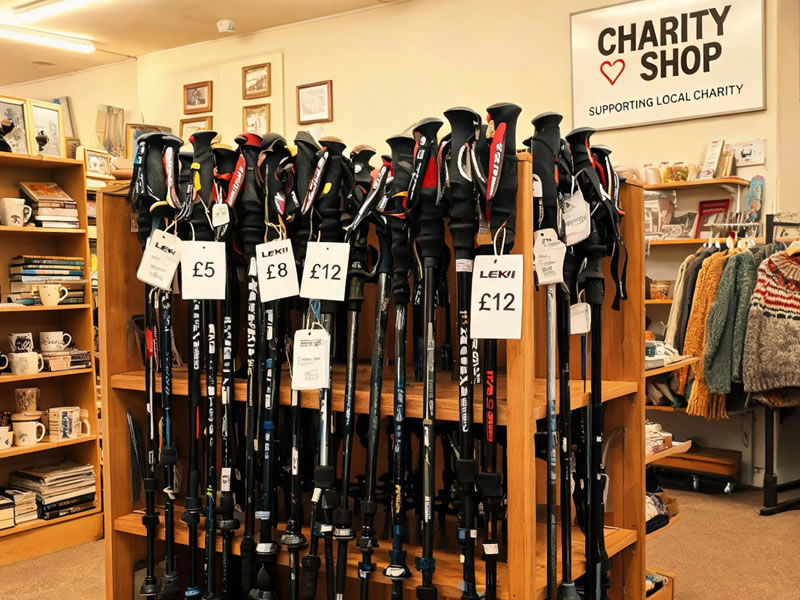
Why Leki Poles Are Uncommon in Charity Shops
Charity shops (British Heart Foundation, Oxfam, Cancer Research UK, local hospices) rely on public donations. Trekking poles are not everyday items; most households do not own them. When they do appear, it is usually from a deceased estate, a house clearance, or a walker upgrading their gear. However, staff and regular volunteers are often savvy – they recognise brands like Leki and either price them higher (closer to £20–£30) or set them aside for online auction (e.g., eBay via charity sellers). In many larger charity chains, donated valuables are routed to dedicated “boutique” stores or online platforms, so you will rarely see Leki poles on the shelf at your local high‑street shop. The odds are against you, but not zero.
Where Charity Shops Are Most Likely to Stock Gear
Your best hunting grounds are shops in outdoor‑friendly regions: the Lake District, Peak District, Snowdonia, or the Scottish Highlands. In Keswick, Ambleside, or Fort William, charity shops receive walking gear from retired or deceased mountaineers far more frequently. Even then, staff are aware of the value – a pair of Leki poles might be priced at £25–£35, still a bargain compared to new, but not the “pennies” bargain you might hope for. Some shops even have dedicated outdoor sections. It is also worth visiting shops near popular long‑distance trail endpoints (e.g., Kirk Yetholm for the Pennine Way, or Minehead for the South West Coast Path) – walkers sometimes donate gear they no longer need after completing a trail.
What to Look For – And What to Avoid
If you do spot a pair of Leki poles, do not grab them blindly. Inspect thoroughly:
- Locking mechanisms: Older Leki poles often use twist‑locks (internal expanders). These are prone to seizing or slipping if not maintained. Test them – extend the pole, lock it, and press down firmly. If it slips, the internal bushings may be worn and replacements can be hard to find. Newer models with SpeedLock (flip‑locks) are more reliable; check that the cam lever clamps securely and the hex screw is not stripped.
- Shaft condition: Look for dents, bends, or deep scratches. Aluminium can bend; carbon can crack. Run your hand along the sections – any roughness may indicate damage.
- Tips: Tungsten‑carbide tips should be sharp and intact. If they are flattened or missing, replacement tips cost around £10–£15 per pair – still cheap, but factor that in.
- Grips: Cork grips wear down and can crumble; foam grips may be compressed. Replacement grips are available but add cost and effort.
- Baskets: Small mud baskets are often broken; replacements are cheap but may not be in stock.
If a pole fails any of these checks, it may not be a bargain – it could be a liability.
Price Expectations and Negotiation
In a charity shop, prices vary wildly. Some shops price all poles at a flat £5; others use barcode scanners to check online second‑hand prices and may ask £40 for a used set. You can politely ask if they accept offers – especially if you point out minor wear – but many shops have fixed pricing. On average, expect to pay £15–£25 for a decent used Leki pair from a charity shop. That is still a great deal relative to new, but not the “£2 miracle” you might hear about in folklore.
Better Alternatives for Second‑Hand Leki Poles
Given the rarity, you might have more success with these channels:
- eBay – search “Leki trekking poles used” – you will find dozens of listings, often from retired hikers. Prices range £20–£50. Set up alerts.
- Facebook Marketplace and Gumtree – local sellers often offload gear cheaply. Check daily.
- Outdoor gear swap meets – events like the Keswick Mountain Festival often have second‑hand stalls.
- Specialist used outdoor retailers – e.g., “Gear Fix” or “The Used Kit Company” – they test and guarantee items, though prices are higher.
- Outdoor forums (UKClimbing, WalkHighlands) – classified sections where members sell trusted gear.
These alternatives often offer better selection, clearer condition descriptions, and the ability to ask questions – plus, you are not relying on luck.
Success Stories – And Cautionary Tales
I have spoken to hikers who found a near‑new pair of Leki Khumbu poles for £10 in a Derbyshire charity shop – they were thrilled. Others report buying twist‑lock poles for £8 only to find the locks seized beyond repair – they ended up spending more on spare parts than a new pair would cost. One savvy walker regularly checks charity shops in the Lakes and has built a collection of high‑end poles, but she admits she visits weekly and knows the staff. For the average punter, it is a lottery.
Should You Bother?
If you enjoy the thrill of the hunt and frequent charity shops anyway, definitely keep an eye out. But if you are actively seeking reliable Leki poles for an upcoming long‑distance hike, do not rely on charity shops – you risk disappointment. Instead, combine a quick browse with a backup plan: set a budget, browse eBay or Facebook, and if nothing appears, consider buying a new entry‑level Leki (e.g., the Makalu or Sport) for around £70 – still an investment, but you get a warranty and peace of mind. Alternatively, consider mid‑range brands like Decathlon Forclaz or Karrimor, which offer excellent value new.
Final Verdict
So, are there charity shop bargains for Leki poles in the UK? Yes, but they are unicorns. You might strike gold, but the probability is low, and the savings may be eroded by necessary repairs. Charity shops are worth a quick look when you pass by – especially in outdoor hotspots – but do not make a special trip. For a reliable, ready‑to‑use pole, your time is better spent on online second‑hand marketplaces or saving for a new pair. In the end, the best bargain is one that actually works when you need it most – and that might cost a little more than a charity shop ticket. Happy hunting – but keep your expectations grounded.




