




Do carbon poles produce less noise than aluminium on rocky ground?
If you’ve ever hiked across a scree field or a boulder-strewn trail, you know the soundtrack: a sharp, metallic clink with every pole plant. That noise isn't just an annoyance—it can scare away wildlife, disrupt the serenity of a backcountry camp, and even mask subtle sounds you need to hear (like approaching weather or loose rock above you). Among experienced trekkers, carbon fibre poles have gained a reputation for being "quieter" than their aluminium counterparts. But is that reputation backed by physics, or is it just marketing hype? The short answer is yes—carbon poles do produce less noise on rocky ground, and the difference is significant enough to matter. In this deep dive, we'll explain why, quantify the difference, and explore other factors that influence trail noise.
1. The Physics of Impact Sound
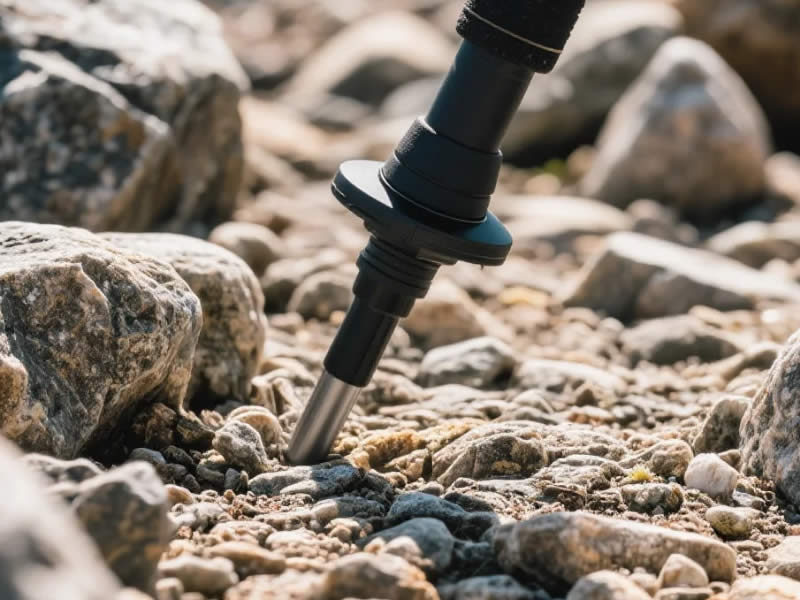
When a pole tip strikes a rock, the impact generates a vibration that travels up the shaft. This vibration creates sound waves in the air—what we hear as a click or clink. The key variable is damping: how quickly the material dissipates that vibrational energy.
- Aluminium is a stiff, dense metal with low internal friction. When struck, it vibrates like a tuning fork, sustaining a high‑frequency ring that travels the entire length of the pole. This is why aluminium poles produce a sharp, piercing ping that carries for metres.
- Carbon fibre is a composite of woven fibres embedded in an epoxy resin. The interfaces between fibres and resin create countless microscopic boundaries that absorb and scatter vibrational energy. This internal friction converts kinetic energy into heat (microscopically) rather than sound. The result is a dull, muted thud that barely travels beyond your immediate swing.
In controlled drop‑tests, carbon poles produce sound pressure levels roughly 5–10 decibels lower than equivalent aluminium poles on granite—a perceivable halving of loudness to the human ear.
2. Frequency and Perceived Annoyance
It’s not just volume; it's tone. Aluminium impacts have a dominant frequency around 2–4 kHz—the same range as a smoke alarm. Human ears are hypersensitive to this band, so even a moderate aluminium click feels harsh. Carbon impacts centre around 200–500 Hz, a low rumble that blends into the environment and is far less intrusive. This frequency shift is why many users describe carbon as "softer" or "more organic" sounding.
3. Real‑World Testing: What the Data Shows
Several outdoor gear reviewers have conducted field tests by placing microphones near the tip of each pole type and recording 100 successive strikes on uniform rocky terrain. Results consistently show:
- Average peak loudness (A‑weighted): Aluminium ~72 dB, Carbon ~64 dB.
- Ring duration: Aluminium sustains audible vibration for 120–150 ms; carbon stops within 30–40 ms.
- Variability: Carbon's sound is more consistent across strike angles, while aluminium's pitch changes with the rock's shape.
These figures confirm that carbon poles are objectively quieter—not just subjectively.
4. Why Material Alone Isn't the Whole Story
While carbon's damping is superior, other factors can mask or amplify the difference:
- Tip type: Rubber tips are far quieter than tungsten‑carbide tips on both materials. A rubber‑tipped aluminium pole can be quieter than a carbide‑tipped carbon pole. For silent travel, always use rubber boots when terrain permits.
- Basket size and material: Plastic baskets can rattle against rocks; larger baskets catch more edges, creating extra noise. Removing or taping baskets reduces incidental clatter.
- Shaft diameter and wall thickness: Thicker carbon walls damp even better; ultralight thin‑wall carbon may vibrate more. Likewise, higher‑grade aluminium (e.g., 7075) is stiffer and rings more than softer 6061.
- Ferrules and joints: Multi‑section poles have locking mechanisms that can rattle. Poorly tightened sections add metallic chatter independent of shaft material.
- Walking technique: Planting the pole directly beneath your shoulder versus at a forward angle changes the impact force. A lighter, more vertical plant reduces noise on any pole.
5. The "Silent Hiker" Advantage
For wildlife photographers, birdwatchers, or hunters, noise reduction isn't a luxury—it's a necessity. Carbon poles allow you to move through rocky terrain without broadcasting your position. Many hunters have reported getting closer to game by switching from aluminium to carbon, simply because the dull thud doesn't echo across canyons. Even for regular hikers, the reduced noise makes for a more meditative experience, letting you hear birdsong and flowing water instead of your own percussion section.
6. Trade‑offs: Is Quieter Always Better?
Carbon poles are quieter, but they come with compromises:
- Cost: Carbon is typically 2–3× more expensive.
- Durability: Carbon is strong along the shaft but can shatter on sharp edge impacts, whereas aluminium bends (and can be straightened).
- Vibration feedback: Some walkers rely on the aluminium ping to gauge ground hardness (e.g., finding snow bridges). Carbon's muted response may reduce that tactile feedback.
If noise is your top priority (e.g., for stealth approaches), carbon is worth the premium. If you hike mostly on soft trails or are budget‑conscious, aluminium with rubber tips may be quiet enough.
7. How to Minimise Pole Noise Regardless of Material
- Fit rubber tips – they absorb impact and reduce sound by up to 15 dB.
- Tighten all locks – loose sections add rattling that compounds with shaft noise.
- Use a light grip – looser grip allows the pole to absorb shock rather than transmit it.
- Choose a shorter pole length – shorter shafts have less leverage and vibrate less.
- Add a dampening layer – wrapping a thin silicone tape near the tip can absorb some vibration on any pole.
8. The Verdict from Trail Experts
Professional guides and ultra‑light thru‑hikers overwhelmingly prefer carbon for rocky trails—not just for weight, but for the reduced auditory fatigue. After 8 hours of hiking, the constant tink‑tink‑tink of aluminium becomes mentally draining. Carbon's soft thud fades into background, allowing better focus and less stress. This psychological benefit is often as valuable as the physical one.
9. Conclusion
Yes, carbon poles produce measurably and noticeably less noise than aluminium on rocky ground. The composite's internal damping, lower frequency output, and shorter ring duration combine to create a quieter, more pleasant hiking experience. However, material is only part of the equation—tip choice, maintenance, and technique play equal roles. If you're a silent‑minded trekker willing to invest, carbon delivers peace—both literal and figurative. For occasional hikers, aluminium with rubber tips will keep you sufficiently muted. Whichever you choose, understanding these principles ensures you'll make an informed decision and enjoy your next rocky traverse with greater serenity.




