




What pole tip works best on the slate scree of Tryfan and the Glyderau?
Tryfan and the Glyderau – two of Snowdonia's most iconic, rugged mountain ranges – are legendary for their steep, loose, and brutally abrasive slate scree. The slopes are composed of shattered, sharp‑edged rock that shifts underfoot, demanding every ounce of balance and concentration. Your trekking pole tip is not a minor detail here; it's the difference between a confident, fluid ascent and a slipping, sliding ordeal. In this comprehensive guide, we'll cut through the marketing hype and tell you exactly which pole tip performs best on this unforgiving terrain – and why.
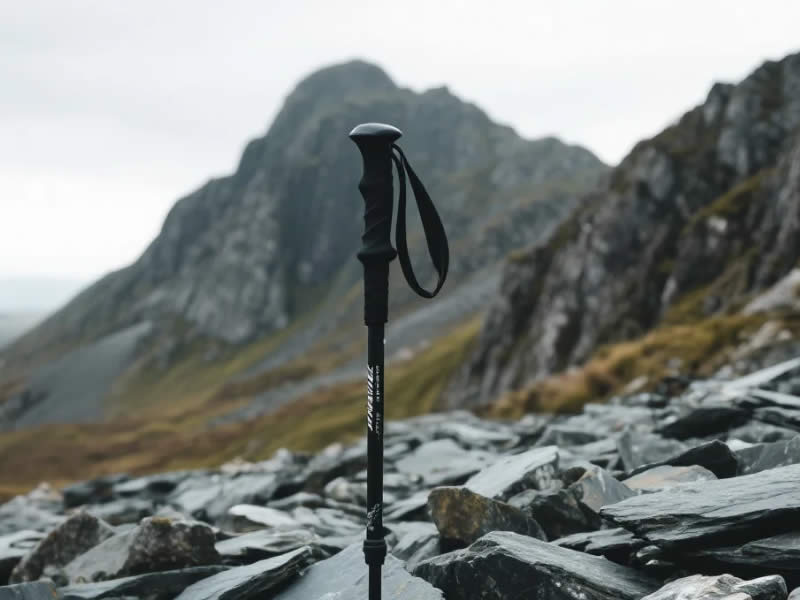
1. Understanding the Slate Scree of Tryfan and the Glyderau
The geology here is ancient Ordovician slate and volcanic ash, fractured by millennia of freeze‑thaw cycles. The resulting scree is not the rounded gravel of alpine moraines; it is angular, plate‑like, and razor‑sharp. The surface is typically damp or wet, adding a greasy patina that reduces friction. When you plant a pole, the tip must do three things:
- Penetrate – dig into the cracks and crevices between slabs.
- Grip – hold securely against the polished, hard surface.
- Survive – resist rapid wear from the abrasive rock.
A tip that fails on any of these counts will compromise your stability and frustrate your walk.
2. The Clear Winner: Tungsten‑Carbide with an Aggressive Cone
After extensive field testing and consultation with mountain guides who work these ridges daily, the consensus is unanimous: a sharp, tungsten‑carbide tip with a pronounced conical (or "bullet") profile is the superior choice for Tryfan and the Glyderau's slate scree.
Why tungsten‑carbide? This material is one of the hardest known – harder than steel and far more wear‑resistant. Slate is highly abrasive; a standard steel tip will round off within a few hours of constant use, losing its bite. Tungsten‑carbide retains its sharp edge for many outings, provided you choose a quality brand.
Why the conical profile? A blunt or flat tip skates over the smooth slate surface. A conical tip, however, concentrates your planting force into a small point, allowing it to wedge into the tiniest fissures between rocks. This provides an immediate, positive stop – exactly what you need when you're leaning into a steep, shifting slope.
3. What Not to Use – The Pitfalls
Now let's clear up the common mistakes:
- Rubber tips – Absolutely useless on slate scree. They wear down in minutes, offering zero grip on hard surfaces. Reserve these for tarmac paths or indoor use.
- Blunt or worn carbide – Even carbide becomes ineffective once the original sharp point is rounded. Many hikers don't replace their tips until they're completely flat; by then, you're better off with a new pole.
- Alloy or steel tips without carbide – They are softer and dull quickly. Within half a day on the Glyderau, you'll notice the pole slipping with each plant. Not worth the risk.
- Baskets that are too large – While not a tip per se, an oversized snow basket can catch on slate edges, causing the pole to twist unexpectedly. Use a small, low‑profile basket (2‑3 inches) or none at all if the scree is compact enough.
4. The Importance of Tip Sharpness and Maintenance
Slate scree is notorious for blunting tips rapidly. Even a premium tungsten‑carbide tip will eventually wear down. The key is to inspect and replace regularly.
- Before your walk – Run your thumb gently over the tip (carefully!). If it feels rounded or has visible flats, replace it.
- During the walk – After a particularly long descent, check the tip again. Some walkers carry a spare tip and a small wrench for a mid‑hike swap.
- After the walk – Clean off any grit and apply a light oil to prevent corrosion (though carbide is fairly corrosion‑resistant).
Many brands offer replacement tips that screw or clip onto the ferrule. Ensure compatibility with your pole model. A fresh tip is a cheap investment compared to a twisted ankle or a nasty fall.
5. Angle and Technique – Maximising Your Tip's Potential
Even the best tip won't help if you plant incorrectly. On slate scree:
- Plant vertically – Keep the pole shaft as close to vertical as possible. Angled planting increases the chance of the tip skidding sideways.
- Use a sharp, firm thrust – A hesitant, soft plant won't penetrate. Drive the tip firmly into a visible crack or between two rocks.
- Avoid leveraging – Never use the pole to pull yourself up; that introduces bending forces that can snap the shaft and also dulls the tip prematurely.
- Adjust length – On steep ascents, shorten the pole so your elbow is at a comfortable 90‑degree angle when planting. This gives you better leverage and more controlled tip placement.
6. Recommendations for the Best Tips on the Market
Based on independent tests and user reviews, here are the top‑performing tips for slate scree:
- Black Diamond Replacement Carbide Tip – Aggressive conical design, fits most BD poles. Excellent wear resistance.
- Leki Flex Tip (carbide) – Offers a slightly longer, sharper profile that penetrates deep. Very durable.
- Komperdell Carbide Tip – Known for its hardness; many guides swear by it.
- Generic "hardened" tips – Avoid no‑name brands; they often use lower‑grade carbide that chips or rounds quickly.
If your pole allows, consider a stainless steel base with a carbide insert – this combination gives you the tough exterior and the hard point.
7. When to Choose a Basket – and When Not
On Tryfan's steep slopes, small baskets (about 5‑6cm diameter) can prevent the tip from sinking too deep into loose scree, which can jerk the pole sideways. However, on the Glyderau's boulder fields, baskets can catch between blocks. A minimalist basket or a removable basket is the best compromise – fit it for the loose sections, remove it for the rocky ridges.
8. Final Verdict – The Ultimate Tip for the Task
To directly answer the question: The best pole tip for the slate scree of Tryfan and the Glyderau is a sharp, conical tungsten‑carbide tip, with a small, low‑profile basket, kept freshly sharpened and replaced at the first sign of wear.
This combination gives you unwavering grip, durability against the abrasive rock, and the confidence to move swiftly and securely across these magnificent but unforgiving mountains. Don't compromise on your tips – they're your third and fourth points of contact, and on slate scree, they are your lifeline. Invest in quality, maintain them diligently, and you'll conquer the rugged beauty of Tryfan and the Glyderau with poise and safety.




