




Do I need winter-specific poles for the Aonach Eagach ridge in winter?
The Aonach Eagach ridge – that legendary, knife‑edged traverse across the northern pinnacles of Glen Coe – is a serious mountaineering objective in any season. In winter, it becomes a grade II/III scramble, often coated in snow, verglas, and rimed ice. One of the most frequent questions from those preparing for this classic route is: "Do I need to buy a completely new set of poles for the winter?" The short answer is no – you don't need "winter‑specific" poles, but you absolutely must adapt your existing poles for the conditions. This article will explain exactly what changes are necessary, why they matter, and how to choose and prepare your poles for a safe, enjoyable winter traverse.
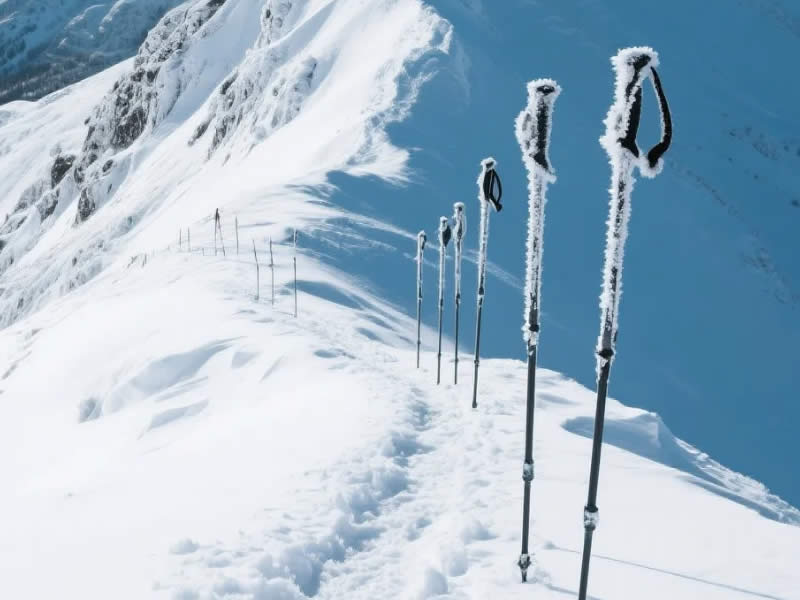
1. What makes a pole "winter‑specific"?
There is no industry standard definition of a winter pole. Some brands market models with thicker shafts or longer baskets as "winter" or "expedition" poles, but in reality, a high‑quality 3‑section telescopic pole used in summer can often serve perfectly well in winter – provided you fit the correct accessories and take a few extra precautions. The main differences between summer and winter use come down to:
- Basket size – Snow requires a much larger surface area to prevent the pole from plunging.
- Tip grip – Ice demands extra traction beyond a standard carbide tip.
- Lock reliability – Cold, gloves, and snow can make twist‑locks problematic.
- Material behaviour – Cold temperatures affect carbon fibre differently than aluminium.
Understanding these factors is the key to winter‑proofing your poles.
2. The single most important winter upgrade: baskets
In summer, a small mud basket (around 5‑6 cm diameter) is sufficient to prevent the pole sinking into soft ground. In winter, especially on the Aonach Eagach, you'll be crossing deep snowfields, soft drifts, and wind‑packed névé. Without a large powder basket (70‑90 mm diameter), your pole will plunge deep with every plant, throwing off your rhythm and exhausting your shoulders.
Action: Fit large snow baskets to your poles before you start. Most quality poles accept interchangeable baskets that clip or screw on. If your current poles don't have a compatible large basket, you may need to buy a universal basket adapter or consider a new pole that does.
3. Ice traction – when carbide isn't enough
Tungsten‑carbide tips provide excellent grip on rock, snow, and even hard ice. However, on the glassy, polished ice of a winter ridge like the Aonach Eagach, they can still skid. For confident traction on solid ice, consider adding ice grips – spiked rubber covers that fit over your existing tip. These have a cluster of short steel spikes that bite into the surface, giving you a much more secure plant.
Action: Carry a pair of ice grips in your pack and fit them when you encounter sustained icy sections. They slip on and off quickly.
4. Carbon fibre in cold – a word of caution
Carbon fibre poles are lightweight and excellent at dampening vibration, but they have a significant limitation in winter: they become more brittle in sub‑zero temperatures. A carbon shaft that can withstand a sideways knock on a warm day may shatter on a cold one, especially if it's caught between rocks. On a remote winter ridge, a snapped pole can be a serious problem.
Aluminium (particularly 7075‑T6 alloy) is a safer choice for winter. It bends rather than breaks, giving you a warning sign (a visible bend) before complete failure. It's also less affected by low temperatures.
Action: If you're heading onto the Aonach Eagach in winter, consider using aluminium poles. If you have carbon, be extra careful to avoid side‑loading and impact, and carry a spare emergency pole or a splint (a spare ski pole section can be used to lash a broken one).
5. Locks – why flip‑locks win in the cold
Twist‑locks rely on an internal expanding collet. In winter, grit, snow melt, and freezing can jam the collet, making it impossible to adjust or causing it to slip under load. They're also difficult to operate with gloves on.
Flip‑locks (cam‑locks) are vastly superior. They provide a positive, mechanical clamp that you can adjust with one thumb, even wearing thick winter gloves. They're also easier to clean and service in the field – simply wipe the clamping surface clean of any ice or grit.
Action: If your poles have twist‑locks, consider upgrading to flip‑locks before winter. At the very least, ensure your twist‑locks are clean, well‑lubricated (with a silicone spray, not oil), and that you can tighten them fully with gloves on.
6. Adjusting length – a winter technique
On the Aonach Eagach, you'll be switching between steep snow slopes, rocky steps, and scrambling. You'll need to adjust your pole length frequently:
- On snow slopes – Keep them slightly longer to plant ahead and brake on descents.
- On rocky sections – Shorten them to avoid catching the baskets on rocks.
- For steep ice – Extend them to reach a secure plant below you.
With flip‑locks, this is a matter of seconds. With twist‑locks, it's a faff – another reason to favour the cam‑lock design.
7. What about double‑telescopic sections?
Some walkers use two‑section (rather than three‑section) poles for winter, as they are stiffer and have fewer locking points to fail. While not essential for the Aonach Eagach, they are a good choice if you're planning regular winter mountaineering. The compromise is that they don't collapse as small for packing.
8. Practical preparation – practice with gloves
A good‑weather skill can become impossible with gloves on. Before your trip, practice adjusting your locks, fitting baskets, and attaching ice grips while wearing your winter gloves. This simple rehearsal will save you time and frustration on the ridge when your fingers are cold.
9. The verdict – no new poles, but crucial adaptations
To directly answer the question: No, you don't need to buy winter‑specific poles for the Aonach Eagach ridge. A good, sturdy pair of aluminium poles with flip‑locks and interchangeable baskets will serve you admirably, provided you:
- Fit large snow baskets for deep snow.
- Carry ice grips for solid ice.
- Choose aluminium over carbon for winter safety.
- Ensure your locks are clean and operable with gloves.
- Practice length adjustment before you go.
The Aonach Eagach in winter is a world‑class mountaineering route. With the right adaptations to your existing poles, you'll have the stability and confidence to enjoy every step of this magnificent traverse. And if you're in the market for a new pair anyway, choose a pole with winter versatility in mind – but you don't need a specialist "winter" model. Smart upgrades, not a whole new purchase, are the key.




