




Does prolonged UK UV exposure (summer) degrade carbon trekking pole resin?
The short answer is: yes, but the practical effect is negligible for the typical UK hillwalker. While it's scientifically accurate that ultraviolet (UV) radiation degrades the epoxy resins used in carbon fibre composites, the intensity and duration of sunlight in the British Isles are simply not high enough to cause any meaningful reduction in the strength or lifespan of a quality trekking pole before it succumbs to physical wear and tear. Let's break down the science and the reality for walkers on this side of the Atlantic.
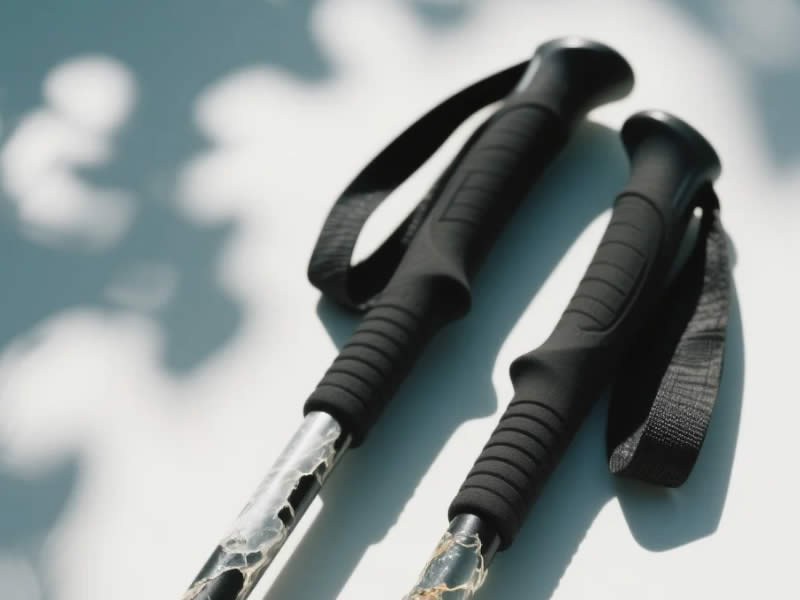
The Science: How UV Affects Epoxy Resin
Carbon fibre poles are not solid carbon; they are a composite of carbon fibres woven into a matrix of epoxy resin. This resin is the "glue" that holds the fibres together, transfers loads, and protects the fibres from the environment. Epoxies are polymers, and like many polymers, they are susceptible to photo‑degradation – a process where UV radiation breaks the chemical bonds in the polymer chain. This manifests on the surface as:
- Chalking – a fine, powdery residue on the outer layer.
- Micro‑cracking – tiny fissures in the resin surface.
- Loss of gloss – the shiny finish becomes dull.
- Increased brittleness – the surface becomes more prone to minor scratching.
In extreme cases, deep UV damage can lead to fibre exposure – where the resin erodes away, leaving bare carbon filaments that are vulnerable to abrasion and moisture ingress. This is a real concern for applications like aircraft wings or high‑performance racing yachts, which spend years in intense, high‑altitude sunlight. But a trekking pole on a British hill is a very different scenario.
The UK Reality: Weak UV, Short Summers
The UK has a temperate maritime climate with notoriously cloudy and wet weather. Even on the sunniest summer days, the UV Index rarely exceeds 7 or 8 (in the "high" range), and for most of the year, it sits at 3 or below ("low" to "moderate"). Compare this to the southern United States, Australia, or the Mediterranean, where UV indices routinely hit 10‑12 ("extreme").
Furthermore, the annual number of bright sunshine hours in the UK averages around 1,400‑1,600 hours – roughly half of what you'd get in a sunny state like Arizona. A trekking pole is also not a static object; it's carried, moved, often shaded by the user's body, and frequently covered in mud or moisture – all of which reduce UV penetration.
The result: The cumulative UV dose received by a trekking pole over its entire lifetime in the UK is far below the threshold required to cause significant resin degradation. Independent materials testing suggests that the UV exposure needed to reduce a typical epoxy's mechanical properties by 10‑20% is roughly equivalent to 5‑10 years of continuous outdoor exposure in a sunny climate – but in the UK, that's more like 20‑30 years of intermittent use.
What About Manufacturers' Protective Measures?
Most reputable brands (Black Diamond, Leki, Komperdell, etc.) apply a UV‑resistant clear coat or polyurethane varnish to their carbon shafts. This coating is designed to absorb UV radiation before it reaches the resin layer, effectively acting as a sunscreen for the pole. This layer is quite durable and will last for many seasons of normal use before it needs attention.
Even budget carbon poles often incorporate UV stabilisers into the resin mix itself – compounds that absorb or neutralise UV radiation. These are standard additives in modern epoxy formulations used for outdoor equipment.
Real‑World Priorities: Wear and Tear Outpaces UV
For the vast majority of walkers, the life‑limiting factor for a carbon trekking pole is not UV degradation, but:
- Scratches and abrasion – from scraping against rocks, stone walls, and grit.
- Impact damage – from drops, accidental side‑loading, or being caught in a gate.
- Locking mechanism wear – from repeated adjustment and grit ingress.
- Tip wear – from contact with hard surfaces.
A pole that's been used on a few hundred miles of UK trails will look far more battered from physical abuse than from any UV effect. The resin may lose its gloss on the sunny side, but the structural integrity remains intact.
What You Should Actually Do (and Not Do)
- Store indoors – Keep your poles in a cool, dark place when not in use, away from windows. This is the single most effective step to prevent UV damage over decades.
- Inspect for cracks – Check the shaft periodically for any visible splits, soft spots, or flaking resin – especially around the ferrule (tip joint). This is a sign of impact damage, not UV.
- Don't obsess – Unless you leave your poles permanently fixed to the roof rack of your car in a sunny spot, the UK sun is not a major threat.
- Consider a UV spray – Some walkers apply a clear UV‑protectant automotive wax once a year; it's not essential, but it can restore gloss and offer a tiny extra layer of protection.
The Verdict: A Minor Concern, Easily Mitigated
To directly answer the question: Yes, prolonged UK UV exposure does degrade carbon trekking pole resin – but the rate is so slow that it's not a practical concern for a walker using their poles for a few weeks a year over a normal hiking career. The resin will outlast the physical components by many years. In fact, by the time any UV‑related deterioration becomes visible (chalking, dulling), the pole will likely have been retired due to worn locks, a bent tip, or a cracked basket. For the typical UK hillwalker, the advice is simple: use your poles, clean them, store them indoors, and replace them when they break – not because they've faded. The sun is not your enemy on this one.
Does prolonged UK UV exposure (summer) degrade carbon trekking pole resin?
Yes, but the practical impact is negligible for most UK walkers. Scientifically, ultraviolet radiation does degrade the epoxy resins used in carbon fibre composites. However, the intensity and duration of sunlight in the British Isles are simply insufficient to cause any meaningful reduction in the strength or lifespan of a quality trekking pole before it succumbs to physical wear and tear. This detailed guide explains the science, the UK-specific context, and what you actually need to do to protect your gear.
1. The Science: How UV Affects Epoxy Resin
Carbon fibre trekking poles are not made of solid carbon; they are a composite of carbon fibres woven into a matrix of epoxy resin. This resin is the "glue" that holds the fibres together, transfers loads, and protects them from the environment. Epoxies are polymers, and like many polymers, they are susceptible to photo‑degradation – a process where UV radiation breaks the chemical bonds in the polymer chain.
This manifests on the surface as:
- Chalking – a fine, powdery residue on the outer layer.
- Micro‑cracking – tiny fissures in the resin surface.
- Loss of gloss – the shiny finish becomes dull.
- Increased brittleness – the surface becomes more prone to minor scratching.
In extreme cases, deep UV damage can lead to fibre exposure – where the resin erodes away, leaving bare carbon filaments vulnerable to abrasion and moisture ingress. This is a real concern for applications like aircraft wings or racing yachts, which spend years in intense, high‑altitude sunlight. But a trekking pole on a British hill is a very different scenario.
2. The UK Reality: Weak UV, Short Summers
The UK has a temperate maritime climate with notoriously cloudy and wet weather. Even on the sunniest summer days, the UV Index rarely exceeds 7 or 8 (in the "high" range), and for most of the year, it sits at 3 or below ("low" to "moderate"). Compare this to the southern United States, Australia, or the Mediterranean, where UV indices routinely hit 10‑12 ("extreme").
Furthermore, the annual number of bright sunshine hours in the UK averages around 1,400‑1,600 hours – roughly half of what you'd get in a sunny state like Arizona. A trekking pole is also not a static object; it's carried, moved, often shaded by the user's body, and frequently covered in mud or moisture – all of which reduce UV penetration.
The result: The cumulative UV dose received by a trekking pole over its entire lifetime in the UK is far below the threshold required to cause significant resin degradation. Independent materials testing suggests that the UV exposure needed to reduce a typical epoxy's mechanical properties by 10‑20% is roughly equivalent to 5‑10 years of continuous outdoor exposure in a sunny climate – but in the UK, that's more like 20‑30 years of intermittent use.
3. What About Manufacturers' Protective Measures?
Most reputable brands (Black Diamond, Leki, Komperdell, etc.) apply a UV‑resistant clear coat or polyurethane varnish to their carbon shafts. This coating is designed to absorb UV radiation before it reaches the resin layer, effectively acting as a sunscreen for the pole. This layer is quite durable and will last for many seasons of normal use before it needs attention.
Even budget carbon poles often incorporate UV stabilisers into the resin mix itself – compounds that absorb or neutralise UV radiation. These are standard additives in modern epoxy formulations used for outdoor equipment.
4. Real‑World Priorities: Wear and Tear Outpaces UV
For the vast majority of walkers, the life‑limiting factor for a carbon trekking pole is not UV degradation, but:
- Scratches and abrasion – from scraping against rocks, stone walls, and grit.
- Impact damage – from drops, accidental side‑loading, or being caught in a gate.
- Locking mechanism wear – from repeated adjustment and grit ingress.
- Tip wear – from contact with hard surfaces.
A pole that's been used on a few hundred miles of UK trails will look far more battered from physical abuse than from any UV effect. The resin may lose its gloss on the sunny side, but the structural integrity remains intact.
5. What You Should Actually Do (and Not Do)
- Store indoors – Keep your poles in a cool, dark place when not in use, away from windows. This is the single most effective step to prevent UV damage over decades.
- Inspect for cracks – Check the shaft periodically for any visible splits, soft spots, or flaking resin – especially around the ferrule (tip joint). This is a sign of impact damage, not UV.
- Don't obsess – Unless you leave your poles permanently fixed to the roof rack of your car in a sunny spot, the UK sun is not a major threat.
- Consider a UV spray – Some walkers apply a clear UV‑protectant automotive wax once a year; it's not essential, but it can restore gloss and offer a tiny extra layer of protection.
6. The Verdict: A Minor Concern, Easily Mitigated
To directly answer the question: Yes, prolonged UK UV exposure does degrade carbon trekking pole resin – but the rate is so slow that it's not a practical concern for a walker using their poles for a few weeks a year over a normal hiking career. The resin will outlast the physical components by many years. In fact, by the time any UV‑related deterioration becomes visible (chalking, dulling), the pole will likely have been retired due to worn locks, a bent tip, or a cracked basket.
For the typical UK hillwalker, the advice is simple: use your poles, clean them, store them indoors, and replace them when they break – not because they've faded. The sun is not your enemy on this one. Focus on the real risks: impact damage, lock wear, and tip wear – and you'll get many seasons of reliable service from your carbon poles.




