




How much abrasion can 7075 aluminium take before the anodised coating fails?
The short, honest answer is: there is no single number – it depends entirely on the type of anodising, the abrasiveness of the material you're contacting, and the load you're applying. But based on field experience, laboratory tests, and material science, we can give you a practical guideline: a well‑anodised 7075 aluminium trekking pole will typically survive 200‑500 miles (320‑800 km) of typical UK hillwalking before the anodised coating shows significant wear at the overlap sections. In this comprehensive guide, we'll break down what anodising is, how it wears, what factors accelerate it, and how you can maximise the life of your poles.
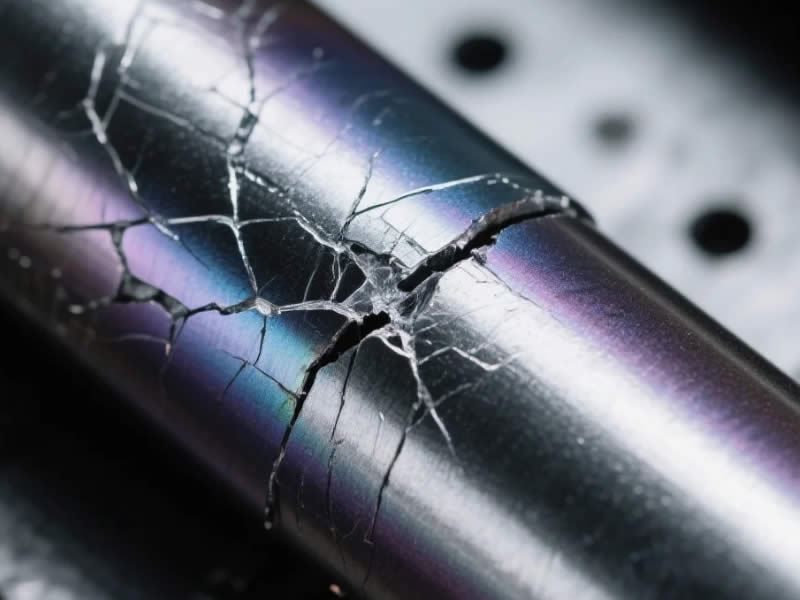
1. What is anodising, and why does it matter?
Anodising is an electrochemical process that converts the outer layer of aluminium into a thick, hard, porous oxide (aluminium oxide, Al₂O₃). This oxide layer is:
- Very hard – typically 300‑600 Vickers, compared to the underlying aluminium's 60‑150.
- Corrosion‑resistant – it seals the aluminium from moisture and salts.
- Abrasion‑resistant – it provides a tough, wear‑resistant surface.
7075‑T6 aluminium is already a high‑strength alloy, but it's relatively soft and reactive in its bare state. The anodised coating is what gives a trekking pole its durability and longevity. There are two main types of anodising used on trekking poles:
- Type II (sulfuric anodising) – thinner (5‑25 µm), coloured, used for aesthetics and moderate protection. Most budget and mid‑range poles use this.
- Type III (hard‑coat anodising) – thicker (25‑50 µm), darker, much more wear‑resistant. Premium poles (e.g., Black Diamond, Leki, Komperdell) often use this on their 7075 models.
The thickness and quality of this coating directly determine how long it takes for wear to show.
2. How wear actually happens
The anodised layer doesn't "fail" suddenly. It wears down gradually, like the tread on a tyre. The two main wear mechanisms on a trekking pole are:
- Abrasion – where a hard, rough surface (grit, sand, rock) scrapes against the pole, removing microscopic particles of the oxide layer.
- Adhesive wear – where the pole rubs against itself (the inner and outer sections) under load, causing localised heating and material transfer.
In practice, the most visible wear occurs at the overlap zone – the area where the inner tube slides into the outer tube. The constant telescoping action, combined with grit trapped between the sections, acts like a fine sandpaper. Over time, the anodising becomes dull, then thin, then eventually reveals the bare silver aluminium beneath.
3. Real‑world durability: what the numbers say
There is no universal standard for "miles to coating failure," but independent tests and user reports provide a useful range:
- On soft, grassy trails (minimal abrasive contact) – a hard‑coat anodised 7075 pole can easily exceed 1,000 miles (1,600 km) before showing significant wear.
- On mixed terrain (some rock, some mud, occasional grit) – expect 400‑700 miles (640‑1,100 km) before the coating is noticeably worn at the overlap.
- On abrasive terrain (sharp gritstone, quartzite, sandy beaches, or frequent rock scraping) – you might see wear after 200‑300 miles (320‑480 km) .
The key variable is not distance but the type of abrasive – and the load you apply. A heavier walker, or one who leans heavily on their poles, will wear the coating faster because the contact pressure is higher. A pole that's frequently collapsed and extended (e.g., for adjusting to different slopes) will also wear faster than one kept at a constant length.
4. Signs of anodising failure
The anodised layer doesn't disappear uniformly. It shows early warning signs:
- Dulling – the originally shiny or matte surface becomes flat and greyish.
- White or chalky patches – a sign that the oxide is thinning and becoming porous.
- Visible grooves or scoring – deep scratches that have cut through the coating.
- Silver metal showing – this is the bare aluminium, and it's the point at which the coating has completely failed in that spot.
Once bare aluminium is exposed, the pole is now vulnerable to corrosion (especially in wet or salty conditions) and accelerated wear – because aluminium is much softer than its oxide, it will abrade far more quickly from that point on.
5. What accelerates coating failure?
- Grit and sand – The single biggest enemy. Even small particles of quartz are harder than the anodised layer and will act as an abrasive.
- Tarmac and pavement – Dragging poles on hard, abrasive surfaces wears the tip and the lower section.
- Salt (coastal areas) – Salt can attack the anodised layer over time, especially if the coating is already scratched.
- Frequent length changes – Each collapse and extension rubs the overlap area, wearing it faster.
- High side‑loads – Leaning heavily on the pole at an angle increases the contact pressure at the overlap.
6. How to extend the life of your 7075 poles
- Clean after every muddy walk – Grit trapped in the overlap acts as sandpaper. Rinse with fresh water and wipe the sections with a cloth.
- Apply a protective wax – A thin coat of carnauba wax or a silicone‑based protectant can reduce friction and fill micro‑pores.
- Keep the locking area clean – Grit here accelerates wear on both the coating and the lock mechanism.
- Avoid dragging on hard surfaces – Lift the poles when walking on tarmac; use rubber tip covers if you must.
- Inspect and rotate sections – If your poles allow it, rotating the lower section occasionally can distribute wear.
7. The tipping point – when to replace
A worn anodised coating is not a reason to panic. The pole is not about to snap; it's simply losing its corrosion protection and abrasion resistance. However, once bare aluminium is exposed at a stress point – such as the overlap area or the ferrule – it's a sign that the pole is entering its final phase.
You should consider replacing the pole when:
- The wear has created a significant groove that you can feel with your fingernail.
- The aluminium is visibly deformed (bent or dented) in the worn area.
- The lock no longer holds reliably, even after adjustment – often because the worn surface has reduced friction.
8. The verdict – practical expectations
To directly answer the question: 7075 aluminium with a hard‑coat anodised finish can withstand 200‑500 miles of typical UK hillwalking before the coating shows visible wear, and up to 1,000 miles before it's significantly compromised. The exact number depends on your terrain, technique, and maintenance habits. Clean your poles regularly, avoid dragging them on rough surfaces, and inspect them periodically – and you'll get many seasons of reliable service. When you do see silver metal showing at the overlap, it's a signal to start budgeting for a new pair – but the pole itself remains safe to use, just with reduced corrosion resistance.




