




Can I bring trekking poles on a Ryanair flight from the UK?
You’ve packed your boots, waterproofs, and map – but those trusty trekking poles are still leaning by the door. The question nags: will Ryanair let me take them on board? The short, unambiguous answer is no – Ryanair explicitly prohibits trekking poles in cabin baggage. This guide explains the policy in detail, shows you how to pack them safely for the hold, offers alternatives if you're flying with hand luggage only, and highlights the pitfalls to avoid so you don't lose your poles at the gate.
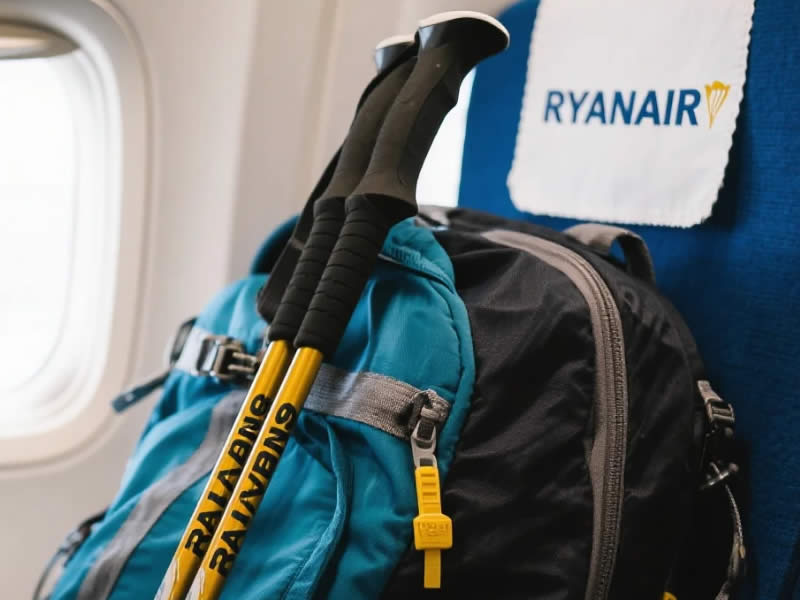
The official Ryanair policy – what it says
Ryanair’s Baggage Policy and Prohibited Items list categorise trekking poles (along with walking sticks, hiking poles, and ski poles) as items that cannot be carried in the cabin. The reasoning is straightforward: they are considered potential blunt instruments that could be used as weapons. This applies regardless of whether they are collapsible, telescopic, or made of lightweight carbon fibre. Even if you pack them neatly inside a rucksack, security screening at UK airports (operated by the CAA, not Ryanair) will almost certainly flag them if they are visible in the X‑ray or if a manual search occurs.
Crucially, Ryanair’s Conditions of Carriage state that the final decision rests with the security officer at the airport. However, Ryanair’s own terms reinforce the ban – their staff at the boarding gate are trained to enforce it, and they have the right to refuse carriage of any item they deem unsafe. In practice, countless travellers have had poles confiscated at security checkpoints, and they are rarely returned. Do not attempt to bring them as hand luggage – you will lose them.
The only safe option: check them into the hold
To take your poles on a Ryanair flight from the UK, you must place them in your checked baggage. Here’s how to do it properly:
1. Collapse them fully
Most telescopic or Z‑fold poles break down to around 60‑70 cm. Collapse every section and tighten the locks slightly – not fully tight, as pressure changes during the flight can make them seize. A soft lock prevents stress on the mechanisms.
2. Protect the tips
Carbide tips can puncture through your rucksack fabric or other clothing. Wrap each tip in a thick sock, a piece of foam, or the rubber tip protectors that often come with poles. Tape them securely with electrical or duct tape. This not only protects your bag but also prevents the poles from jabbing through and damaging other luggage.
3. Bundle them together
Use a couple of velcro straps or elastic bands to keep the two poles side‑by‑side. This makes them less likely to shift and break internal zippers. If you have a dedicated pole sleeve or a hard‑sided tube (e.g., a PVC pipe cut to length), that’s even better – it offers crush protection from heavy bags stacked on top.
4. Place them in the centre of your checked bag
Surround them with soft clothing – jumpers, fleeces, or sleeping bags – to absorb impacts. Avoid placing them against the bag’s edge where they might be dented by external forces.
5. Check weight limits
Ryanair’s standard checked baggage allowance is usually 20 kg (or 10 kg on some light fares). A pair of aluminium poles weighs about 500‑600 g – a negligible amount, but it still counts. Weigh your bag before heading to the airport to avoid excess fees, which can be expensive (£11 per extra kg at the gate).
What if you’re flying with hand luggage only?
Many UK travellers now opt for Ryanair’s lowest fares, which include only a small cabin bag (40x20x25cm) – not even a standard carry‑on rucksack. In this case, you simply cannot accommodate trekking poles in checked baggage because you have none. Your options are:
a) Add a checked bag at booking
This is the simplest solution – add a 10 kg or 20 kg check‑in bag to your booking. The cost varies (typically £15‑30 each way), but it’s cheaper than buying new poles at your destination. Do this online at least 2 hours before departure – adding at the airport is more expensive.
b) Ship your poles ahead
Use a parcel service like SendMyBag, ParcelHero, or Royal Mail Special Delivery to send your poles to your accommodation or a local post office near the trailhead. For UK‑to‑Europe, this can cost £20‑40 – comparable to adding a checked bag, but it frees you from carrying them through the airport. Many companies offer specific “sports equipment” shipping with insurance.
c) Rent poles at your destination
If you’re heading to the Alps, Pyrenees, or even Scottish islands (you might fly to Inverness or Glasgow), many outdoor shops offer rental poles for a few pounds per day. This avoids the hassle entirely. Check with shops in advance – some require a deposit.
d) Buy cheap poles at the destination
Decathlon is ubiquitous across Europe and the UK – for £20‑30 you can pick up a serviceable pair and donate them at the end of your trip. This is often cheaper than paying for checked luggage if you only need them for a few days.
What about connecting flights or different airlines?
If you’re flying with Ryanair from the UK to, say, Spain, and then connecting with another airline, note that the first carrier’s rules apply for your entire journey if it’s a single ticket – but Ryanair does not offer interline connections, so you’d have separate tickets. In that case, you must comply with each airline’s policy. For most European carriers, trekking poles are also prohibited in the cabin, so checked baggage is the universal solution.
Real‑world experiences from fellow walkers
A quick search on UK hillwalking forums reveals countless cautionary tales:
- One walker had their £150 Black Diamond poles confiscated at Stansted, even though they were sheathed and collapsed. The security officer cited “potential blunt force weapon” – no appeal.
- Another traveller successfully gate‑checked them (Ryanair sometimes offers free gate‑check for larger cabin bags, but this is discretionary and not guaranteed for poles). They were lucky.
- A third person used a hard‑plastic tube labelled “Fragile – Sports Equipment” and checked them without issue.
The consensus: never rely on the good will of security. Check them, ship them, or hire them.
Packing tips to avoid damage in the hold
- Use a dedicated pole bag – many brands (Black Diamond, Leki) sell soft or semi‑rigid bags specifically for flying. They cost £15‑30 but protect your investment.
- Remove the baskets – mud and snow baskets can snap off under pressure. Unscrew them and pack them separately in a small pouch.
- Loosen the locks – as mentioned, pressure changes can make twist‑locks or lever‑locks very tight. A quarter‑turn loosen prevents jamming.
- Label your bag – inside and out, with your contact details. If your bag is opened for inspection, a label helps reunite items.
The latest Ryanair policy – always double‑check
Airline policies change. As of 2026, Ryanair’s website clearly lists “Walking poles / hiking sticks” under the Prohibited in Cabin section. However, they occasionally update their Special Items policy – for instance, they now allow certain medical walking aids if you have a doctor’s certificate and prior approval. If you have a mobility condition, you can request an exemption, but this is rare and requires contacting Ryanair’s Special Assistance team at least 48 hours before departure. For standard recreational use, no exemption is given.
Action step: Visit the official Ryanair website, go to “Baggage” > “Prohibited Items” and read the latest list. Take a screenshot as a reference, but do not rely on it to argue with security – they have final say.
Summary – your pre‑flight checklist
- □
- □
- □
- □
- □
- □
The final verdict
You cannot bring trekking poles in the Ryanair cabin – that is clear and non‑negotiable. But with a little planning, you can safely transport them in the hold or avoid the hassle altogether through shipping or rental. The key is not to leave the decision until you’re at the airport. A bit of pre‑trip organisation saves you the heartache of arriving at the trailhead without your trusted poles – and the cost of buying new ones. So pack them wisely, fly calmly, and enjoy your UK‑to‑Europe hillwalking adventure. Happy trails!




