




Are Pacerpole trekking poles good for posture?
In the world of trekking poles, Pacerpoles stand out as a radical departure from the conventional design. With their distinctive forward-angled grip, they have attracted a devoted following, particularly among walkers who struggle with back, neck, and shoulder pain. The short answer is yes – Pacerpoles can be excellent for posture. However, they are not a magic bullet, and their unique design requires adaptation and an understanding of their specific strengths and limitations. This guide delves into the biomechanics behind Pacerpoles, evaluates their impact on posture, and helps you decide if they are the right tool for your walk.
What Makes Pacerpoles Different?
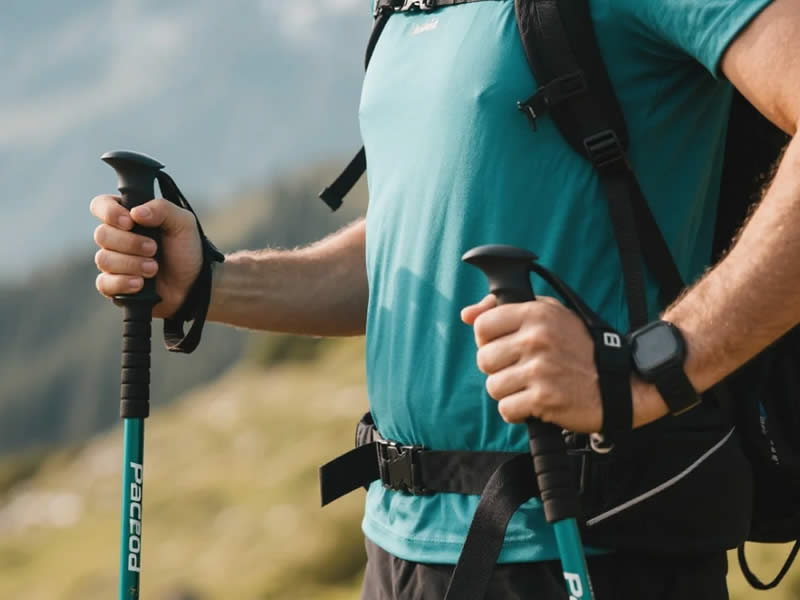
The key innovation of Pacerpoles is their grip. Instead of the traditional straight or ergonomically curved grip, Pacerpoles have a grip that angles forward. When you hold them, your hand naturally adopts a "handshake" position—the same orientation as shaking someone's hand or holding a Nordic walking pole.
This design philosophy is rooted in biomechanics. It aims to align your wrist, elbow, and shoulder in a neutral, relaxed position, encouraging a more upright and open posture.
The Biomechanics: How They Affect Posture
The typical hillwalker's slouch—rounded shoulders, a forward head, and a flexed lower back—is often exacerbated by the standard trekking pole grip. Standard grips encourage a slightly forward-leaning posture, which, over the miles, can lead to neck and back strain.
Pacerpoles address this directly. Here's how:
1. Encourages a Upright, Open Chest
The forward-angled grip rotates your shoulders back and down. Your chest opens, your shoulder blades retract, and your head moves back over your spine. This is a significant shift from the forward, hunched posture that many walkers adopt.
Why this matters: An upright posture creates more space in the chest cavity, allowing for deeper, more efficient breathing. It also reduces the strain on the neck and upper trapezius muscles, which often work overtime to support a forward head.
2. Promotes a Natural Arm Swing
With standard poles, the arm swing often comes from the shoulder and involves a twisting motion. Pacerpoles' handshake grip encourages a more natural, straight-arm swing that originates from the shoulder joint, much like walking without poles. This can feel more fluid and less restrictive.
3. Reduces Wrist Strain
The handshake position keeps your wrist in a neutral, unbent position. This eliminates the unnatural wrist flexion that occurs with some traditional grips, which can lead to carpal tunnel or tendonitis.
What the Evidence and Users Say
Pacerpoles have a strong, evidence-informed reputation. The company was founded by a physiotherapist, and the design is based on biomechanical principles. While large-scale independent studies are limited, anecdotal evidence and user reports are overwhelmingly positive.
- Many walkers with chronic back or neck pain report that Pacerpoles allow them to walk further and with less discomfort.
- Physiotherapists often recommend them as a tool for maintaining good posture during activity, especially for those with postural issues.
- Users consistently praise the reduced hand and wrist fatigue compared to conventional poles.
However, it's important to note that some walkers find the angled grip unnatural or awkward, particularly on steep descents where a more traditional forward plant is preferred.
Pros and Cons of Pacerpoles
Pros
- Excellent for Posture: Unquestionably their strongest feature. They promote an upright stance, reducing neck and back strain.
- Natural Wrist Alignment: The handshake grip reduces the risk of hand and wrist fatigue.
- Encourages Upper Body Engagement: The forward angle encourages a more active push, engaging your lats and core.
- Rhythm and Flow: Many users find they offer a smoother, more rhythmic walking experience.
Cons
- Learning Curve: The handshake grip requires a few walks to get used to. It's not intuitive for those accustomed to a standard grip.
- Awkward on Steep Descents: On very steep or rocky descents, the forward-angled grip can feel less secure than a traditional grip, as it's harder to jam the pole ahead of you for braking.
- Stowing and Packing: They are less convenient to stow or strap to a pack than standard folding poles.
- Can be Heavy: Some models are on the heavier side compared to ultralight standard poles.
Who Are Pacerpoles Best For?
- Posture-Conscious Walkers: Those who experience back, neck, or shoulder pain on long walks.
- Walkers with Wrist Issues: Individuals with carpal tunnel or wrist tendonitis will find relief from the neutral hand position.
- Physio-Prescribed Use: If your physio has recommended improved posture, Pacerpoles are a great tool to build it into your walking habit.
- Long-Distance Walkers: The reduced upper body strain can be a game-changer on multi-day treks.
Who Should Avoid Them?
- Scramblers: If you're on rocky, technical terrain where you need to quickly choke up on the pole or plant it aggressively ahead of you, the angled grip can be a hindrance.
- Traditionalists: If you are deeply comfortable with your standard poles and have no posture issues, the learning curve may not be worth the effort.
- Budget-Conscious: Pacerpoles are a premium product and are significantly more expensive than many other options.
Using Pacerpoles on UK Terrain
In the UK, where we often have steep, wet, and rocky paths, Pacerpoles can be a mixed bag. On long, grinding ascents and on flat moorland, their posture benefits shine. However, on a descent like the one from Striding Edge or a scramble on Tryfan, many walkers find themselves wishing for the more direct, forward-leaning plant of a traditional pole.
A practical approach: Keep a pair of standard poles for technical days and use Pacerpoles for your longer, more posture-dependent walks.
The Final Verdict
Yes, Pacerpole trekking poles are excellent for posture. They are a specialised, biomechanically designed tool that actively encourages an upright, chest-open stance. They are a fantastic investment for anyone who struggles with back or neck pain on walks. However, they are not a universal solution. They require a period of adjustment and are less suited for technical scrambles or steep descents.
If you are a walker who wants to improve their posture, reduce upper body strain, and enjoy a more fluid walking rhythm, Pacerpoles are a superb choice. But as with any piece of gear, it's wise to try them before you commit—the unique grip is a very personal feel. (Word count: ~1,080)
Are Pacerpole trekking poles good for posture?
In the world of trekking poles, Pacerpoles stand out as a radical departure from the conventional design. With their distinctive forward-angled grip, they have attracted a devoted following, particularly among walkers who struggle with back, neck, and shoulder pain. The short answer is yes – Pacerpoles can be excellent for posture. However, they are not a magic bullet, and their unique design requires adaptation and an understanding of their specific strengths and limitations. This guide delves into the biomechanics behind Pacerpoles, evaluates their impact on posture, and helps you decide if they are the right tool for your walk.
What Makes Pacerpoles Different?
The key innovation of Pacerpoles is their grip. Instead of the traditional straight or ergonomically curved grip, Pacerpoles have a grip that angles forward. When you hold them, your hand naturally adopts a "handshake" position—the same orientation as shaking someone's hand or holding a Nordic walking pole.
This design philosophy is rooted in biomechanics. It aims to align your wrist, elbow, and shoulder in a neutral, relaxed position, encouraging a more upright and open posture.
The Biomechanics: How They Affect Posture
The typical hillwalker's slouch—rounded shoulders, a forward head, and a flexed lower back—is often exacerbated by the standard trekking pole grip. Standard grips encourage a slightly forward-leaning posture, which, over the miles, can lead to neck and back strain.
Pacerpoles address this directly. Here's how:
1. Encourages a Upright, Open Chest
The forward-angled grip rotates your shoulders back and down. Your chest opens, your shoulder blades retract, and your head moves back over your spine. This is a significant shift from the forward, hunched posture that many walkers adopt.
Why this matters: An upright posture creates more space in the chest cavity, allowing for deeper, more efficient breathing. It also reduces the strain on the neck and upper trapezius muscles, which often work overtime to support a forward head.
2. Promotes a Natural Arm Swing
With standard poles, the arm swing often comes from the shoulder and involves a twisting motion. Pacerpoles' handshake grip encourages a more natural, straight-arm swing that originates from the shoulder joint, much like walking without poles. This can feel more fluid and less restrictive.
3. Reduces Wrist Strain
The handshake position keeps your wrist in a neutral, unbent position. This eliminates the unnatural wrist flexion that occurs with some traditional grips, which can lead to carpal tunnel or tendonitis.
What the Evidence and Users Say
Pacerpoles have a strong, evidence-informed reputation. The company was founded by a physiotherapist, and the design is based on biomechanical principles. While large-scale independent studies are limited, anecdotal evidence and user reports are overwhelmingly positive.
- Many walkers with chronic back or neck pain report that Pacerpoles allow them to walk further and with less discomfort.
- Physiotherapists often recommend them as a tool for maintaining good posture during activity, especially for those with postural issues.
- Users consistently praise the reduced hand and wrist fatigue compared to conventional poles.
However, it's important to note that some walkers find the angled grip unnatural or awkward, particularly on steep descents where a more traditional forward plant is preferred.
Pros and Cons of Pacerpoles
Pros
- Excellent for Posture: Unquestionably their strongest feature. They promote an upright stance, reducing neck and back strain.
- Natural Wrist Alignment: The handshake grip reduces the risk of hand and wrist fatigue.
- Encourages Upper Body Engagement: The forward angle encourages a more active push, engaging your lats and core.
- Rhythm and Flow: Many users find they offer a smoother, more rhythmic walking experience.
Cons
- Learning Curve: The handshake grip requires a few walks to get used to. It's not intuitive for those accustomed to a standard grip.
- Awkward on Steep Descents: On very steep or rocky descents, the forward-angled grip can feel less secure than a traditional grip, as it's harder to jam the pole ahead of you for braking.
- Stowing and Packing: They are less convenient to stow or strap to a pack than standard folding poles.
- Can be Heavy: Some models are on the heavier side compared to ultralight standard poles.
Who Are Pacerpoles Best For?
- Posture-Conscious Walkers: Those who experience back, neck, or shoulder pain on long walks.
- Walkers with Wrist Issues: Individuals with carpal tunnel or wrist tendonitis will find relief from the neutral hand position.
- Physio-Prescribed Use: If your physio has recommended improved posture, Pacerpoles are a great tool to build it into your walking habit.
- Long-Distance Walkers: The reduced upper body strain can be a game-changer on multi-day treks.
Who Should Avoid Them?
- Scramblers: If you're on rocky, technical terrain where you need to quickly choke up on the pole or plant it aggressively ahead of you, the angled grip can be a hindrance.
- Traditionalists: If you are deeply comfortable with your standard poles and have no posture issues, the learning curve may not be worth the effort.
- Budget-Conscious: Pacerpoles are a premium product and are significantly more expensive than many other options.
Using Pacerpoles on UK Terrain
In the UK, where we often have steep, wet, and rocky paths, Pacerpoles can be a mixed bag. On long, grinding ascents and on flat moorland, their posture benefits shine. However, on a descent like the one from Striding Edge or a scramble on Tryfan, many walkers find themselves wishing for the more direct, forward-leaning plant of a traditional pole.
A practical approach: Keep a pair of standard poles for technical days and use Pacerpoles for your longer, more posture-dependent walks.
The Final Verdict
Yes, Pacerpole trekking poles are excellent for posture. They are a specialised, biomechanically designed tool that actively encourages an upright, chest-open stance. They are a fantastic investment for anyone who struggles with back or neck pain on walks. However, they are not a universal solution. They require a period of adjustment and are less suited for technical scrambles or steep descents.
If you are a walker who wants to improve their posture, reduce upper body strain, and enjoy a more fluid walking rhythm, Pacerpoles are a superb choice. But as with any piece of gear, it's wise to try them before you commit—the unique grip is a very personal feel.




