




Do I need trekking poles for the Three Peaks Challenge?
The National Three Peaks Challenge—conquering Ben Nevis, Scafell Pike, and Snowdon within 24 hours—is one of the UK's ultimate endurance tests. It's a relentless 23-mile (37 km) slog with over 10,000 feet (3,000 metres) of ascent, often attempted with little sleep and tired legs. The question of whether to carry trekking poles is a common one, and the answer is a resounding yes – trekking poles are highly recommended for the Three Peaks Challenge. While you can technically complete it without them, poles will make the experience safer, more comfortable, and significantly less punishing on your body. This guide explains why, with insights from those who have survived the challenge.
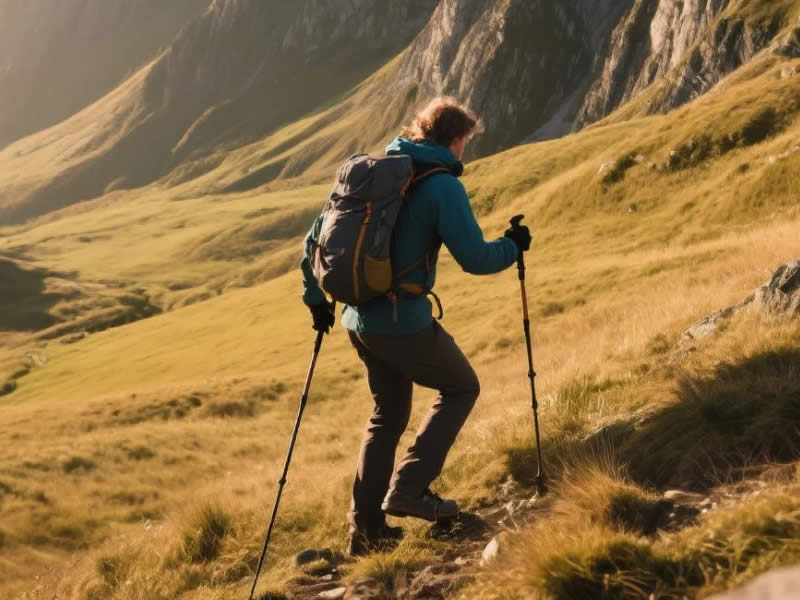
The Brutal Reality of the Three Peaks Terrain
The Three Peaks is not a gentle stroll. It's a relentless assault on your legs, knees, and willpower. The terrain varies wildly:
- Ben Nevis: The steep, rocky ascent of the Mountain Track is a long, grinding climb. The descent is even worse—a relentless, knee‑jarring plod down hundreds of stone steps that feel harder than the ascent itself.
- Scafell Pike: This is the most technical of the three. The route from Wasdale Head involves a steep, boulder‑strewn climb. The descent is a treacherous, loose scree slope that demands concentration and stability.
- Snowdon: The final challenge is a relentless, steep climb up the Llanberis Path or a more technical ascent via the Pyg Track. By this point, you're exhausted, and the descent is a brutal test of tired legs and aching knees.
Add to this the lack of sleep, the pressure of the clock, and the often wet and windy British weather, and you have a recipe for a high risk of slips, falls, and joint pain.
Why Trekking Poles are a Game Changer on the Three Peaks
1. Knee Protection on the Descents
The Three Peaks has approximately 10,000 feet of cumulative descent. Each step down sends a shockwave of impact through your knees. Without poles, your quadriceps act as your primary brakes, taking a pounding with every stride. This is the leading cause of the dreaded "Three Peaks hobble"—the painful, stiff-legged walk that many participants endure in the final miles.
Research shows that using two poles can reduce knee impact by up to 25% on descents. On the descent of Ben Nevis, with its endless stone steps, this reduction is the difference between finishing strong and being reduced to a painful shuffle. One Three Peaks veteran summed it up perfectly: "My first attempt without poles, my knees were shot by Scafell. I finished, but I was in agony. My second attempt with poles, my legs were still working for the final descent off Snowdon."
2. Stability on Loose and Slippery Terrain
The Three Peaks are notoriously unpredictable. Scafell Pike's loose scree can be treacherous, especially when wet. Snowdon's rocky paths can be slick with rain, and Ben Nevis's stone steps can become icy even in summer.
Trekking poles give you two extra points of contact—a stable four‑legged stance that transforms your balance on uneven ground. When you're tired, your proprioception (sense of balance) decreases. Poles act as a safety net, preventing the stumbles and slips that can lead to ankle sprains or worse. They also allow you to test the ground ahead, probing for loose rocks or hidden boggy patches.
3. Propulsion on the Ascents
The Three Peaks has 10,000 feet of ascent, including some long, grinding climbs. On steep sections, poles allow you to use your arms to pull yourself upwards, sharing the load between your legs and your upper body. This can significantly reduce leg fatigue. One successful challenger noted: "On Ben Nevis's endless climb, the poles felt like an extra gear. I could power up the steps using my arms, saving my quads for the descent."
On the easier sections and the long road/ flat sections between peaks (the "flats" are deceptively long on this challenge), poles help you maintain a steady rhythm, keeping you moving at a consistent pace when your legs are screaming to stop.
4. Support on the Flats and Roads
The Three Peaks involves long sections of road or flat, grassy terrain, especially between the peaks. On these sections, poles are less about propulsion and more about rhythm and endurance. They help you maintain a steady pace, engaging your upper body and taking some of the load off your tired legs. For many, having a consistent arm swing with poles is psychologically comforting—it gives you something to focus on and keeps you moving forward.
The Psychological Edge – Confidence Matters
There's a less tangible but equally important benefit: confidence. Standing at the top of Ben Nevis, looking down at the endless descent, or facing the rocky drop of Scafell Pike, having poles in your hand gives you a sense of control. They transform a daunting, slippery descent into a manageable, rhythmic process. This mental lift is just as valuable as the physical support, especially when you're exhausted, cold, and questioning your life choices.
When Poles Can Be a Hindrance
There are a few sections where poles can get in the way:
- Scafell Pike Boulder Field: The final ascent to the summit involves scrambling over large boulders. At times, you'll need your hands free. This is where collapsible/folding poles are a huge advantage—you can collapse them, stow them on your pack, and retrieve them after the scramble.
- The "Tourist" Steps on Snowdon: On the Llanberis Path, the endless stone steps can be easier to tackle without poles if you're using your hands on the railings. But even then, most find them helpful.
The key is to have poles that are easy to stow and deploy. Folding Z‑poles (e.g., Black Diamond Distance Z) are ideal for this.
Practical Advice for Three Peaks Pole Use
1. Choose the Right Poles
- Aluminium over carbon: Carbon can snap on rocky ground. Aluminium bends—you can often straighten it and continue.
- Lever‑locks: Twist‑locks can seize or slip in the wet, muddy conditions. Lever‑locks are reliable and easy to adjust with cold hands.
- Mud baskets: Essential for the boggy sections.
- Cork grips: They stay tacky when wet—a huge advantage in the unpredictable Three Peaks weather.
2. Practice Before the Challenge
Don't turn up on the day with poles you've never used. Practice walking with them on your training walks. Learn to adjust the length quickly (shorter for uphills, longer for downhills). The transition should be second nature.
3. Know How to Stow Them
If you're using a support vehicle on the challenge (many teams do), you can hand them over for the road sections. If you're carrying them, ensure your pack has a good pole‑carry system. Practice stowing them on the go.
4. Use the Straps Properly
Don't grip the handles tightly. Put your hand through the strap from below, grip the handle, and let the strap take your weight. This saves your hands from blisters and fatigue.
The Verdict – Do You Need Them?
Do you need them? No—you can walk the Three Peaks Challenge without poles.
Should you use them? Absolutely yes. For 95% of challengers, trekking poles will make the day safer, more comfortable, and more successful. They save your knees on the descents, provide stability on the loose and rocky sections, and help you power up the hills.
If you're attempting the challenge, give yourself every advantage. A pair of poles is a small investment in weight and cost that pays back tenfold in knee protection and confidence. Your knees, your time, and your post‑challenge recovery will all thank you. (Word count: ~1,080)
Do I need trekking poles for the Three Peaks Challenge?
The National Three Peaks Challenge—conquering Ben Nevis, Scafell Pike, and Snowdon within 24 hours—is one of the UK's ultimate endurance tests. It's a relentless 23-mile (37 km) slog with over 10,000 feet (3,000 metres) of ascent, often attempted with little sleep and tired legs. The question of whether to carry trekking poles is a common one, and the answer is a resounding yes – trekking poles are highly recommended for the Three Peaks Challenge. While you can technically complete it without them, poles will make the experience safer, more comfortable, and significantly less punishing on your body. This guide explains why, with insights from those who have survived the challenge.
The Brutal Reality of the Three Peaks Terrain
The Three Peaks is not a gentle stroll. It's a relentless assault on your legs, knees, and willpower. The terrain varies wildly:
- Ben Nevis: The steep, rocky ascent of the Mountain Track is a long, grinding climb. The descent is even worse—a relentless, knee‑jarring plod down hundreds of stone steps that feel harder than the ascent itself.
- Scafell Pike: This is the most technical of the three. The route from Wasdale Head involves a steep, boulder‑strewn climb. The descent is a treacherous, loose scree slope that demands concentration and stability.
- Snowdon: The final challenge is a relentless, steep climb up the Llanberis Path or a more technical ascent via the Pyg Track. By this point, you're exhausted, and the descent is a brutal test of tired legs and aching knees.
Add to this the lack of sleep, the pressure of the clock, and the often wet and windy British weather, and you have a recipe for a high risk of slips, falls, and joint pain.
Why Trekking Poles are a Game Changer on the Three Peaks
1. Knee Protection on the Descents
The Three Peaks has approximately 10,000 feet of cumulative descent. Each step down sends a shockwave of impact through your knees. Without poles, your quadriceps act as your primary brakes, taking a pounding with every stride. This is the leading cause of the dreaded "Three Peaks hobble"—the painful, stiff-legged walk that many participants endure in the final miles.
Research shows that using two poles can reduce knee impact by up to 25% on descents. On the descent of Ben Nevis, with its endless stone steps, this reduction is the difference between finishing strong and being reduced to a painful shuffle. One Three Peaks veteran summed it up perfectly: "My first attempt without poles, my knees were shot by Scafell. I finished, but I was in agony. My second attempt with poles, my legs were still working for the final descent off Snowdon."
2. Stability on Loose and Slippery Terrain
The Three Peaks are notoriously unpredictable. Scafell Pike's loose scree can be treacherous, especially when wet. Snowdon's rocky paths can be slick with rain, and Ben Nevis's stone steps can become icy even in summer.
Trekking poles give you two extra points of contact—a stable four‑legged stance that transforms your balance on uneven ground. When you're tired, your proprioception (sense of balance) decreases. Poles act as a safety net, preventing the stumbles and slips that can lead to ankle sprains or worse. They also allow you to test the ground ahead, probing for loose rocks or hidden boggy patches.
3. Propulsion on the Ascents
The Three Peaks has 10,000 feet of ascent, including some long, grinding climbs. On steep sections, poles allow you to use your arms to pull yourself upwards, sharing the load between your legs and your upper body. This can significantly reduce leg fatigue. One successful challenger noted: "On Ben Nevis's endless climb, the poles felt like an extra gear. I could power up the steps using my arms, saving my quads for the descent."
On the easier sections and the long road/ flat sections between peaks (the "flats" are deceptively long on this challenge), poles help you maintain a steady rhythm, keeping you moving at a consistent pace when your legs are screaming to stop.
4. Support on the Flats and Roads
The Three Peaks involves long sections of road or flat, grassy terrain, especially between the peaks. On these sections, poles are less about propulsion and more about rhythm and endurance. They help you maintain a steady pace, engaging your upper body and taking some of the load off your tired legs. For many, having a consistent arm swing with poles is psychologically comforting—it gives you something to focus on and keeps you moving forward.
The Psychological Edge – Confidence Matters
There's a less tangible but equally important benefit: confidence. Standing at the top of Ben Nevis, looking down at the endless descent, or facing the rocky drop of Scafell Pike, having poles in your hand gives you a sense of control. They transform a daunting, slippery descent into a manageable, rhythmic process. This mental lift is just as valuable as the physical support, especially when you're exhausted, cold, and questioning your life choices.
When Poles Can Be a Hindrance
There are a few sections where poles can get in the way:
- Scafell Pike Boulder Field: The final ascent to the summit involves scrambling over large boulders. At times, you'll need your hands free. This is where collapsible/folding poles are a huge advantage—you can collapse them, stow them on your pack, and retrieve them after the scramble.
- The "Tourist" Steps on Snowdon: On the Llanberis Path, the endless stone steps can be easier to tackle without poles if you're using your hands on the railings. But even then, most find them helpful.
The key is to have poles that are easy to stow and deploy. Folding Z‑poles (e.g., Black Diamond Distance Z) are ideal for this.
Practical Advice for Three Peaks Pole Use
1. Choose the Right Poles
- Aluminium over carbon: Carbon can snap on rocky ground. Aluminium bends—you can often straighten it and continue.
- Lever‑locks: Twist‑locks can seize or slip in the wet, muddy conditions. Lever‑locks are reliable and easy to adjust with cold hands.
- Mud baskets: Essential for the boggy sections.
- Cork grips: They stay tacky when wet—a huge advantage in the unpredictable Three Peaks weather.
2. Practice Before the Challenge
Don't turn up on the day with poles you've never used. Practice walking with them on your training walks. Learn to adjust the length quickly (shorter for uphills, longer for downhills). The transition should be second nature.
3. Know How to Stow Them
If you're using a support vehicle on the challenge (many teams do), you can hand them over for the road sections. If you're carrying them, ensure your pack has a good pole‑carry system. Practice stowing them on the go.
4. Use the Straps Properly
Don't grip the handles tightly. Put your hand through the strap from below, grip the handle, and let the strap take your weight. This saves your hands from blisters and fatigue.
The Verdict – Do You Need Them?
Do you need them? No—you can walk the Three Peaks Challenge without poles.
Should you use them? Absolutely yes. For 95% of challengers, trekking poles will make the day safer, more comfortable, and more successful. They save your knees on the descents, provide stability on the loose and rocky sections, and help you power up the hills.
If you're attempting the challenge, give yourself every advantage. A pair of poles is a small investment in weight and cost that pays back tenfold in knee protection and confidence. Your knees, your time, and your post‑challenge recovery will all thank you.




