




Are trekking poles necessary for hiking in the Cotswolds?
The Cotswolds, with its bucolic landscape of honey‑coloured stone villages and gentle, rolling hills, is the quintessential English walking destination. It's a world away from the rocky, windswept peaks of the Lake District or the dramatic ridges of Snowdonia. So, the question of whether you need trekking poles for a walk here is a valid one. The short answer is no – trekking poles are not strictly necessary for hiking in the Cotswolds, but they can be a surprisingly useful addition to your kit, depending on the season, the route, and your personal fitness. This guide explores the terrain, the conditions, and the reasons why you might—or might not—want to bring a pair.
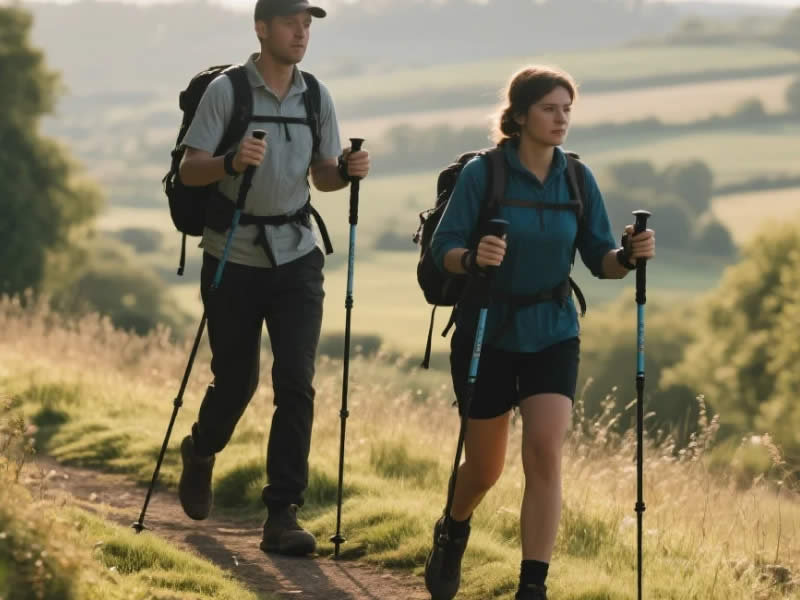
The Cotswolds Terrain: Not a Mountain, But Not Flat
The Cotswolds is characterised by a series of gentle, undulating hills formed by the limestone escarpment. The walking is a mix of:
- Grassy hillsides: The iconic, sweeping views over the vales.
- Woodland trails: Shady paths through beech woods.
- Farmland tracks: Well‑trodden, often muddy paths through arable fields.
- Chalk and limestone paths: The escarpment itself can be rocky and uneven.
The key distinction from the UK's mountain regions is the gradient. The Cotswolds does not have the steep, knee‑jarring descents of the Pennines or the Lake District. The highest point, Cleeve Hill, is only 330 metres (1,083 feet). While there are steep sections, they are generally short and not sustained.
Why You Might Want Poles in the Cotswolds
Despite the rolling terrain, there are several scenarios where poles can enhance your walk.
1. The Mud Factor
The Cotswold Way and many other paths cross clay soils that become sticky, claggy mud after rain. This mud can be slippery and energy‑sapping. Poles provide two extra points of contact, giving you stability and preventing slips. They also allow you to test the depth of muddy patches before you step in.
2. The Long Slopes
While the climbs aren't steep, they can be long and drawn out. A steady, 2‑mile climb up from a valley can be tiring on the legs. Poles allow you to use your arms to help push you up, sharing the load and reducing fatigue.
3. The Descending Impact
A long, gentle descent can still be tough on the knees over a 10‑mile day. Poles absorb some of the shock, reducing the cumulative impact on your joints, especially if you're carrying a daypack or walking multiple days.
4. Aiding Rhythm on Flat Sections
The Cotswolds has long stretches of flat or gently undulating farmland. Poles can help you establish a steady, rhythmic pace, which is particularly beneficial on a long‑distance walk like the Cotswold Way (102 miles).
5. Helping on Stiles and Gates
The Cotswolds has a notorious number of stiles. While you'll need to collapse poles to get over them, they provide a helpful handhold while you're balancing on the top step.
Why You Might Not Want Poles
For many walkers, especially on a short day walk in good weather, poles are overkill.
- They are Another Thing to Carry: If you don't need them, they become dead weight.
- They Can Be a Hindrance: On very flat terrain, they can be more of a nuisance than a help, getting in the way of your arm swing.
- They Are Unnecessary on Good Paths: On well‑maintained, dry paths, you won't need the extra stability.
- They Interfere with Photography: The Cotswolds is one of the UK's most photogenic regions. Poles can get in the way of that perfect shot of a thatched cottage or a rolling valley.
- They Can Be Noisy: On quiet, sunny days, the "clack‑clack" of poles can seem intrusive in the peaceful landscape.
The Seasonal Factor
- Spring/Autumn: Poles are more valuable in the wetter months when paths are muddy.
- Summer: In dry conditions, they are largely unnecessary.
- Winter: In winter, the ground is often waterlogged and muddy, making poles a useful tool for stability and testing the ground.
Who Would Benefit Most?
- Long‑Distance Walkers: If you are walking the entire Cotswold Way (or a long section), poles are a wise investment for managing the daily mileage and knee fatigue.
- Older Walkers: For those who want to reduce the impact on their knees, even on moderate slopes.
- Walkers with Knee or Hip Issues: If you have any joint concerns, the extra support is beneficial.
- Less Confident Walkers: For anyone nervous about stability on uneven or muddy paths, poles provide a significant confidence boost.
What Type of Pole for the Cotswolds?
If you decide to bring poles, you don't need a heavy‑duty winter mountaineering pole. For the Cotswolds, a lightweight, simple pole is ideal:
- Folding (Z‑poles): These pack away neatly when you don't need them, which is perfect for mixed terrain.
- Aluminium: Durable and cost‑effective, a 7075 aluminium pole is perfect for the occasional rocky or muddy path.
- Lever‑Locks: Quick and easy to adjust, especially if you plan to collapse them frequently for stiles.
The Verdict
| Walking Scenario | Do You Need Poles? |
|---|---|
| Short day walk, dry summer | Not necessary |
| Short day walk, after rain | Helpful but not essential |
| Long day walk (10+ miles) | Beneficial for knee protection |
| Multi‑day walk (Cotswold Way) | Recommended |
| Walkers with knee issues | Recommended |
| Photographers | Probably skip them |
So, are they necessary? No. The Cotswolds is forgiving terrain. But for many walkers—especially those tackling the longer routes or walking in the wetter months—trekking poles are a comfortable, practical addition that can make your day on the hills more enjoyable. If you own a pair, bring them. If you don't, you'll still have a wonderful walk, but you might find yourself eyeing them enviously when you hit a patch of sticky, brown Cotswold clay. (Word count: ~1,080)
Are trekking poles necessary for hiking in the Cotswolds?
The Cotswolds, with its bucolic landscape of honey‑coloured stone villages and gentle, rolling hills, is the quintessential English walking destination. It's a world away from the rocky, windswept peaks of the Lake District or the dramatic ridges of Snowdonia. So, the question of whether you need trekking poles for a walk here is a valid one. The short answer is no – trekking poles are not strictly necessary for hiking in the Cotswolds, but they can be a surprisingly useful addition to your kit, depending on the season, the route, and your personal fitness. This guide explores the terrain, the conditions, and the reasons why you might—or might not—want to bring a pair.
The Cotswolds Terrain: Not a Mountain, But Not Flat
The Cotswolds is characterised by a series of gentle, undulating hills formed by the limestone escarpment. The walking is a mix of:
- Grassy hillsides: The iconic, sweeping views over the vales.
- Woodland trails: Shady paths through beech woods.
- Farmland tracks: Well‑trodden, often muddy paths through arable fields.
- Chalk and limestone paths: The escarpment itself can be rocky and uneven.
The key distinction from the UK's mountain regions is the gradient. The Cotswolds does not have the steep, knee‑jarring descents of the Pennines or the Lake District. The highest point, Cleeve Hill, is only 330 metres (1,083 feet). While there are steep sections, they are generally short and not sustained.
Why You Might Want Poles in the Cotswolds
Despite the rolling terrain, there are several scenarios where poles can enhance your walk.
1. The Mud Factor
The Cotswold Way and many other paths cross clay soils that become sticky, claggy mud after rain. This mud can be slippery and energy‑sapping. Poles provide two extra points of contact, giving you stability and preventing slips. They also allow you to test the depth of muddy patches before you step in.
2. The Long Slopes
While the climbs aren't steep, they can be long and drawn out. A steady, 2‑mile climb up from a valley can be tiring on the legs. Poles allow you to use your arms to help push you up, sharing the load and reducing fatigue.
3. The Descending Impact
A long, gentle descent can still be tough on the knees over a 10‑mile day. Poles absorb some of the shock, reducing the cumulative impact on your joints, especially if you're carrying a daypack or walking multiple days.
4. Aiding Rhythm on Flat Sections
The Cotswolds has long stretches of flat or gently undulating farmland. Poles can help you establish a steady, rhythmic pace, which is particularly beneficial on a long‑distance walk like the Cotswold Way (102 miles).
5. Helping on Stiles and Gates
The Cotswolds has a notorious number of stiles. While you'll need to collapse poles to get over them, they provide a helpful handhold while you're balancing on the top step.
Why You Might Not Want Poles
For many walkers, especially on a short day walk in good weather, poles are overkill.
- They are Another Thing to Carry: If you don't need them, they become dead weight.
- They Can Be a Hindrance: On very flat terrain, they can be more of a nuisance than a help, getting in the way of your arm swing.
- They Are Unnecessary on Good Paths: On well‑maintained, dry paths, you won't need the extra stability.
- They Interfere with Photography: The Cotswolds is one of the UK's most photogenic regions. Poles can get in the way of that perfect shot of a thatched cottage or a rolling valley.
- They Can Be Noisy: On quiet, sunny days, the "clack‑clack" of poles can seem intrusive in the peaceful landscape.
The Seasonal Factor
- Spring/Autumn: Poles are more valuable in the wetter months when paths are muddy.
- Summer: In dry conditions, they are largely unnecessary.
- Winter: In winter, the ground is often waterlogged and muddy, making poles a useful tool for stability and testing the ground.
Who Would Benefit Most?
- Long‑Distance Walkers: If you are walking the entire Cotswold Way (or a long section), poles are a wise investment for managing the daily mileage and knee fatigue.
- Older Walkers: For those who want to reduce the impact on their knees, even on moderate slopes.
- Walkers with Knee or Hip Issues: If you have any joint concerns, the extra support is beneficial.
- Less Confident Walkers: For anyone nervous about stability on uneven or muddy paths, poles provide a significant confidence boost.
What Type of Pole for the Cotswolds?
If you decide to bring poles, you don't need a heavy‑duty winter mountaineering pole. For the Cotswolds, a lightweight, simple pole is ideal:
- Folding (Z‑poles): These pack away neatly when you don't need them, which is perfect for mixed terrain.
- Aluminium: Durable and cost‑effective, a 7075 aluminium pole is perfect for the occasional rocky or muddy path.
- Lever‑Locks: Quick and easy to adjust, especially if you plan to collapse them frequently for stiles.
The Verdict
| Walking Scenario | Do You Need Poles? |
|---|---|
| Short day walk, dry summer | Not necessary |
| Short day walk, after rain | Helpful but not essential |
| Long day walk (10+ miles) | Beneficial for knee protection |
| Multi‑day walk (Cotswold Way) | Recommended |
| Walkers with knee issues | Recommended |
| Photographers | Probably skip them |
So, are they necessary? No. The Cotswolds is forgiving terrain. But for many walkers—especially those tackling the longer routes or walking in the wetter months—trekking poles are a comfortable, practical addition that can make your day on the hills more enjoyable. If you own a pair, bring them. If you don't, you'll still have a wonderful walk, but you might find yourself eyeing them enviously when you hit a patch of sticky, brown Cotswold clay.




