




Can I use trekking poles for wild camping in Scotland?
Wild camping in Scotland is a truly unique experience. With the freedom to pitch a tent almost anywhere under the Scottish Outdoor Access Code, you can wake up to some of the most spectacular landscapes in the UK. But when you're carrying everything on your back, weight is everything. This is where your trekking poles become more than just walking aids—they become an integral part of your shelter system. The short answer is yes – you can and absolutely should use trekking poles for wild camping in Scotland.
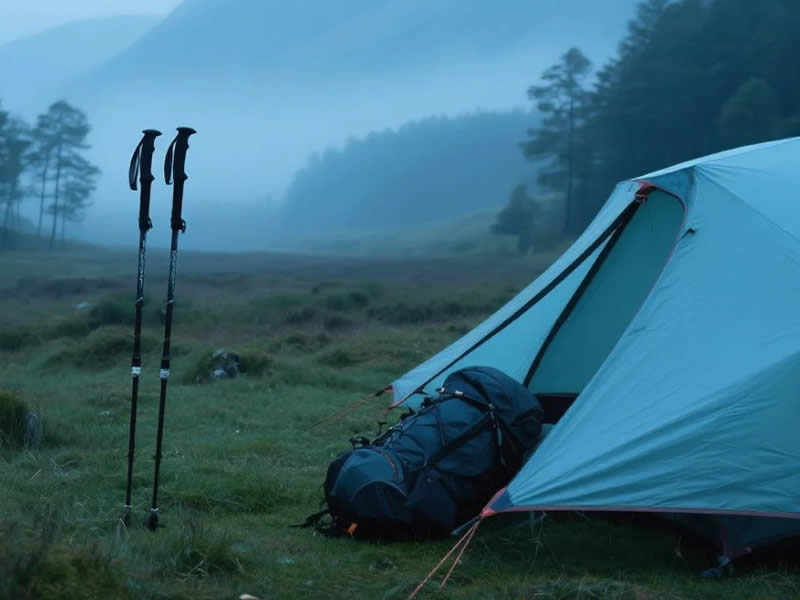
Why Trekking Poles are a Wild Camping Essential
Scotland's wild terrain is a perfect match for the versatility of trekking poles. They serve a dual purpose that saves weight, increases stability, and enhances your overall experience.
1. Weight Saving – The Ultimate Benefit
The most compelling reason to use trekking poles for wild camping is weight saving. A pair of trekking poles weighs about 250-280g per pole. A dedicated set of tent poles can weigh 500-800g. By using your trekking poles as tent poles, you are essentially getting your shelter support for "free" weight—you're already carrying them for the walk.
The Math:
- Trekking poles (pair): ~500g
- Dedicated tent poles: ~600-800g
- Weight saving: 100-300g per night.
On a multi-day trek, this weight saving can be the difference between a comfortable pack and a back-breaking load.
2. Stability on Boggy and Rocky Terrain
Before you even think about the tent, trekking poles are invaluable on the walk itself. Scotland's terrain is famously challenging:
- The Bog Factor: The Scottish moors are crisscrossed with deep, black, sucking peat. Poles with mud baskets provide stability, preventing ankle twists and reducing the fatigue of pulling your feet out of the mud.
- The Rocky Factor: The mountains are often littered with loose scree and boulder fields. Poles give you two extra points of contact, transforming a tricky descent into a controlled, safe one.
- The Wind Factor: Scotland is windy. A steady, four-point stance with poles helps you maintain your balance on exposed ridges.
Setting Up Your Shelter – The Practicalities
Using trekking poles to pitch a tent or tarp in Scotland is a skill that pays dividends.
1. What You Need
- A trekking-pole compatible tent or tarp. Most lightweight tents (like pyramid tents, mid tents, or tarps) are designed to be pitched with one or two poles.
- Rubber tip protectors. This is non-negotiable. A sharp carbide tip can easily puncture your tent floor or the groundsheet. Always fit rubber protectors before pitching.
- Good tent pegs. Your poles replace tent poles, but you still need pegs for the corners and guy lines. In windy Scottish conditions, invest in sturdy, angled pegs (e.g., V-shape or Y-shape).
2. The A-Frame Tarp Pitch
This is the classic tarp configuration, using two trekking poles.
- Set the poles: Place one pole at each end of the tarp, along the centre line. The handles should be pointing up, the tips on the ground.
- Lift and Peg: Lift the poles, pegging out the corners of the tarp to create a taut, wrinkle-free pitch. Use the pole length to tension the fabric.
- Adjust for Wind: In high winds, shorten the windward pole slightly to lower that side of the tarp, creating a more aerodynamic profile.
3. The Mid/Pyramid Tent Pitch
Many lightweight tents are designed to be pitched with a single centre pole.
- Set the pole: The pole sits in the centre of the tent, with the handle supporting the apex and the tip on the ground.
- Peg the corners: Peg out the corners, working in a star pattern to create an even tension.
- Fine-Tune: Adjust the pole length to tension the fabric. A taut tent is a wind-resistant tent.
Tips for Scottish Conditions
1. Prepare for the Weather
- Wind: The wind can be relentless. Use extra guy lines to secure your shelter, and pitch your tent with the narrowest end facing the wind.
- Rain: The ground can be saturated. Use a good groundsheet and ensure your tarp/tent has a good waterproof coating.
- Midges: Yes, they are a menace. The shelter also gives you a refuge from the infamous Scottish midge, which is a huge bonus.
2. Choose the Right Poles
- Folding (Z-poles): These are easier to pack and lighter. Perfect for fastpacking and ultralight camping.
- Aluminium over Carbon: For Scotland's rough, rocky ground, aluminium is safer. A carbon pole can snap; an aluminium pole can be bent back into shape.
- Lever-Locks: Reliable and easy to adjust, especially in cold, wet conditions.
3. Practice at Home
Don't try to pitch your tarp for the first time in a gale on a Scottish hillside. Practice setting up your shelter in your garden or a local park. It will save you a lot of frustration on the trail.
The Legal and Practical Reality
Wild camping is legal in Scotland, but the Scottish Outdoor Access Code requires you to act responsibly. This means:
- Leave No Trace: Your poles are your shelter; treat the ground with respect.
- Be Prepared: The weather can change dramatically; ensure your shelter is secure.
- Don't Pitch on Farmland: Avoid fields of crops or livestock.
The Verdict
Yes, absolutely use trekking poles for wild camping in Scotland. They are not just a tool for the walk; they are a crucial part of your shelter system. They will save you weight, provide stability in challenging terrain, and give you the confidence to tackle the most remote and beautiful parts of the country. By choosing the right poles and taking the time to learn how to pitch your shelter with them, you'll be ready for any adventure the Scottish Highlands throw at you.
Remember: Pack those rubber tip protectors, and you'll be ready to sleep soundly under the stars.




