




How to avoid getting blisters from trekking pole straps?
A blister on your hand from a trekking pole strap is a surprisingly common, and intensely annoying, injury. It turns a pleasant day on the hills into a painful ordeal. The short answer to avoiding them is a combination of correct strap adjustment, lubrication, and managing moisture. This guide explains the causes, the preventative measures, and the immediate fixes to keep your hands blister‑free and your walk enjoyable.
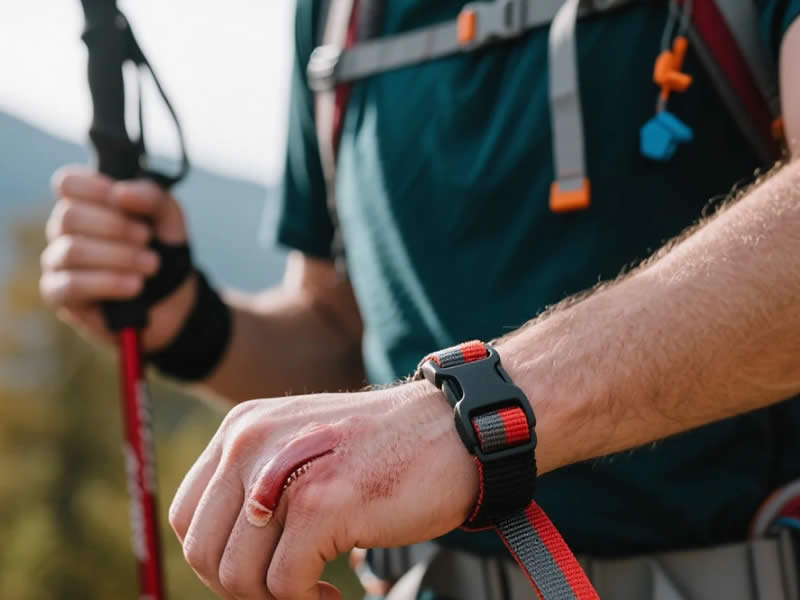
Why Do Blisters Form on Your Hands?
The mechanism is the same as a foot blister: a combination of friction, moisture, and pressure.
- Friction: The strap rubs against your skin with every step. On a 10‑mile walk, that's thousands of repetitions.
- Moisture: Sweat softens the outer layer of your skin (the stratum corneum), making it more susceptible to damage. Add a bit of mud or grit, and you have an abrasive paste.
- Pressure: If the strap is too tight or positioned incorrectly, it creates localised pressure points that increase friction.
The result is a painful "hot spot" that, if ignored, quickly becomes a blister or a raw, weeping sore.
Step 1: Adjust Your Straps Correctly – The Most Important Fix
This is the single most effective way to reduce chafing. Many walkers wear straps too tightly or in the wrong position.
The Correct Fit
- Thread your hand up through the loop from below. This is the golden rule. Your hand should enter the loop from the underside of the strap.
- Let the strap sit across the base of your palm – it should run diagonally across the fleshy pad at the base of your thumb and index finger. This is the strongest and most padded part of your hand.
- Grip the handle lightly – the strap should bear the weight, not your grip.
- Adjust the strap length – you should be able to slide a finger between the strap and your hand when you're gripping the handle. If it's tight enough to leave a mark, it's too tight.
Why This Works
When the strap is correctly positioned, it transfers load to the stronger, less sensitive pad of your hand, rather than rubbing against the more delicate skin of your wrist or fingers. The slight looseness allows the strap to move with your hand rather than against it.
Step 2: Lubricate – Create a Friction Barrier
Applying a lubricant to the contact points on your hands creates a low‑friction layer that prevents chafing before it starts.
- BodyGlide: Specifically designed for anti‑chafing. It's non‑greasy and sweat‑resistant. Apply a thin layer to the base of your thumb and the side of your hand.
- Vaseline: A cheap alternative, but it can be greasy and may stain straps.
- Sports Tape / Leukotape: If you have known chafing spots, apply a small piece of tape directly to your skin before you start. This creates a protective barrier.
Pro Tip: Apply lubricant before you start walking, not after you feel chafing. Prevention is far easier than cure.
Step 3: Wear Gloves – The Ultimate Barrier
A thin pair of gloves provides a physical barrier between the strap and your skin, absorbing sweat and reducing friction.
- Cycling Gloves: Often have padded palms, which add extra cushioning.
- Running Gloves: Lightweight, breathable, and usually have a non‑slip palm.
- Fingerless Gloves: Combine protection with dexterity for map reading.
- Liner Gloves: Ultra‑thin merino or synthetic gloves that fit under your walking gloves.
For summer use, choose gloves with minimal insulation. In cooler weather, your normal walking gloves may be enough, but ensure they have a smooth palm surface.
Step 4: Keep Your Hands Clean – Wash Off the Grit
Salt crystals from sweat, combined with dirt and grit, act like sandpaper against your skin.
- Rinse Your Hands: At a break, rinse your hands with water to remove salt and grit.
- Wash Straps Regularly: Use mild soap and warm water to remove salt and dirt. A soft brush (like an old toothbrush) can help.
- Rinse After Salty Walks: If you've been walking on the coast or in hot weather, rinse your straps with fresh water.
- Dry Completely: Damp straps can become brittle or harbour bacteria.
Step 5: Change Your Grip Technique
Some walkers grip the handle too tightly, which creates unnecessary tension and friction. Practice a relaxed grip:
- Fingers loosely curled – not clenched.
- Weight on the strap – the strap bears the load; your hand is just guiding the pole.
- Open your hand on the backstroke – as you lift the pole, relax your grip so the strap moves freely.
A relaxed grip reduces the pressure on any one point, distributing the load more evenly.
Step 6: Consider a Strap Cushion or Sleeve
If chafing persists, consider adding a cushion:
- Silicone Strap Sleeves: Some aftermarket products slide over the strap to add a soft layer.
- Fleece or Neoprene Wraps: You can make your own by wrapping a small piece of soft fabric around the strap.
- Grip Tape: Wrap a thin layer of tennis racket tape around the strap where it contacts your hand.
Step 7: Switch to Cork Grips (If You Can)
The grip material affects how much sweat accumulates and how much the strap slips.
- Cork Grips: Naturally absorb sweat and become tacky when wet, reducing the need for a tight grip.
- Foam Grips: Can become slippery when wet, which forces you to grip harder.
- Rubber Grips: The worst for chafing—they become slippery and require a tight grip.
If you're still using rubber or foam grips, consider upgrading to cork.
What to Do If You Already Have Chafing
If you feel a hot spot forming:
- Stop and address it immediately – don't push through it.
- Apply tape – a piece of Leukotape or sports tape directly over the hot spot creates a protective layer.
- Adjust your strap – loosen it slightly to reduce pressure.
- Reapply lubricant – add more BodyGlide or vaseline to the area.
- If it's a blister, cover it – use a blister plaster (e.g., Compeed) and keep it clean.
Ignoring chafing leads to open wounds that can become infected and take days to heal.
Long‑Term Solutions – Building Resilience
Over time, the skin on your hands can become more resilient:
- Calluses: With regular walking, your hands will naturally develop calluses in the contact areas.
- Strengthening: Stronger hands and forearms may grip less tightly, reducing friction.
- Regular Breaks: On long walks, take a few minutes to air your hands and let them dry.
Quick Checklist – Before You Walk
- □
- □
- □
- □
- □
- □
Final Verdict
Stopping hand blisters from trekking pole straps is a matter of correct adjustment, a good lubricant, and the right grip material. The most important fix is getting the strap fit right – it should be loose enough to allow the strap to move with your hand, not against it. If you do that, add a lubricant, and keep your hands clean, you can walk for hours without a single hot spot. Your hands will thank you.




