




Do I need to register trekking poles when taking them abroad?
No – you do not need to register trekking poles when taking them abroad. They are not a controlled item like firearms, drugs, or endangered species. There is no international registry for walking equipment. However, that doesn't mean you can simply throw them in your bag and forget about them. While registration is not required, there are several important legal and practical considerations—from airline policies to customs regulations and national park restrictions—that you must be aware of before you travel. This guide covers everything you need to know.
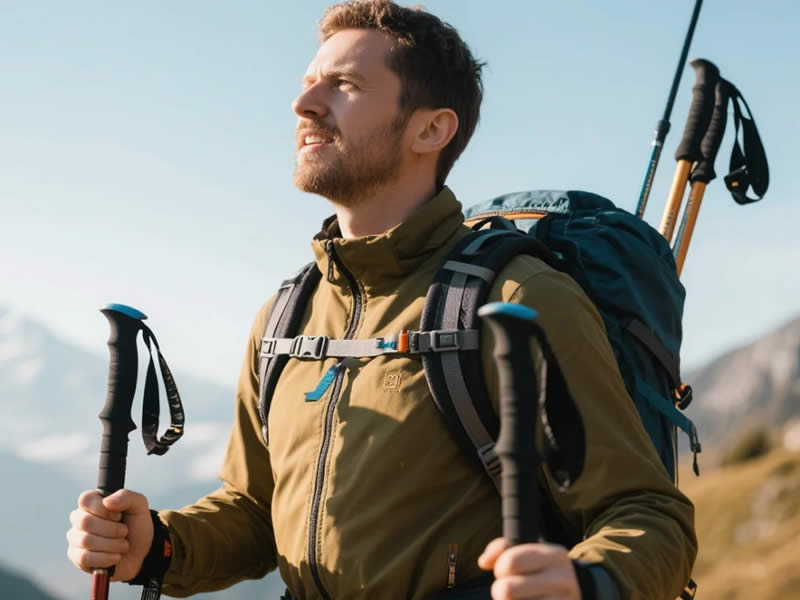
The Definitive Answer: No Registration
To put your mind at ease: there is no requirement to register trekking poles with any government agency, customs authority, or airline before you travel. They are considered personal sports equipment, not a restricted or prohibited item.
Unlike firearms, which require a license and declaration, or even drones, which may require registration in some countries, your trekking poles are simply part of your luggage. The legal framework around them is about safety and customs, not registration.
What You Do Need to Consider
While registration isn't required, there are four key areas you must address.
1. Airline Policies – The Most Critical Rule
This is the single most important thing to remember.
- The Rule: All UK airlines (British Airways, Ryanair, easyJet, Jet2) and most international airlines prohibit trekking poles in cabin baggage. They are classed as potential blunt instruments.
- The Action: You must pack your poles in your checked hold luggage. There is no exception, even for folding poles that fit in a carry-on bag. The X-ray machine will detect them, and security will confiscate them.
- The Exception: The only exception is for mobility aids (walking sticks used for a disability), and this requires prior approval from the airline and a medical certificate.
Pro Tip: Always check your airline's prohibited items list before you fly. Policies can change, and it's your responsibility to be informed.
2. Customs and Import Duties – When to Declare
You do not need to register your poles, but you might need to declare them at customs. This is not about banning them; it's about tax.
- The Rule: When you travel to a non-EU country (or, post-Brexit, to the EU), you may be asked to declare goods that are newly purchased and exceed your personal allowance.
- The Scenario: If you have bought a brand-new, expensive pair of poles (e.g., £150 Black Diamond poles) and you are bringing them into the EU for the first time, you could theoretically be charged import duty on them.
- The Reality: In practice, customs officers are looking for commercial quantities of goods, not personal walking equipment. However, to be safe, carry a proof of purchase (a receipt) to show that the poles are for personal use and are not being imported for resale.
Pro Tip: If you are travelling to the EU from the UK, keep your poles in your checked luggage and don't worry about customs. Officers rarely stop a single walker with a pair of poles.
3. National Park and Trail-Specific Rules – Local Regulations
While no registration is required, some national parks and trails have specific rules about trekking poles.
- The Rule: Some national parks restrict the use of trekking poles in certain areas. This is usually to protect delicate ecosystems.
- Examples:Canadian Rockies: Some trails ban poles to prevent the spread of root diseases.Australian Alps: Bans are in place in some areas to protect sensitive alpine vegetation.US National Parks: Some parks have voluntary "no pole" zones in fragile areas.
- The Action: Check the official website of the national park or trail you will be visiting. Look for specific rules on "walking aids" or "trekking poles."
4. Permits and Permissions – It's Not About the Poles
You generally don't need a permit for the poles themselves, but you may need a permit for the walk.
- Examples:The Inca Trail (Peru): You need a permit to hike the trail, but that permit covers you and your group, not specifically your poles.Mount Everest Base Camp: A trekking permit is required, but poles are your own equipment.
Pro Tip: The permit is for the walk, not the poles. If you need a permit for the trail, it will be a standard process for all walkers.
A Comparison: Registration vs. Other Requirements
| Requirement | Do You Need It? |
|---|---|
| Register poles | No |
| Declare them at customs (new poles) | Possibly, but rarely enforced |
| Check them in as hold luggage | Yes (for flights) |
| Check park-specific rules | Yes, for fragile ecosystems |
| Carry a receipt | Recommended for proof of ownership |
| Carry a medical certificate | Only if using as a mobility aid in the cabin |
The "Medical Exemption" Myth
Some walkers believe that if they say the poles are for medical reasons, they can bypass the cabin ban. This is not true.
- The Reality: A medical exemption is for a mobility aid (like a walking frame or a prescribed cane), not a recreational trekking pole. You would need a doctor's note, and even then, the decision rests with the airline.
- The Recommendation: Do not try to claim a medical need for standard trekking poles. It's unlikely to work and could cause delays.
Before You Go: A Checklist
- □ Check Airline Policy: Confirm that poles must be in checked luggage.
- □ Pack for Checked Luggage: Collapse poles, protect tips, bundle together, and place in the centre of your bag.
- □ Check National Park Rules: Visit the official website for your destination.
- □ Carry a Receipt: For new poles, to prove they are for personal use.
- □ Carry Spare Tips: In case yours wear out.
- □ Know Your Rights: You are allowed to carry them for walking.
The Verdict
No, you do not need to register your trekking poles when taking them abroad. They are personal equipment, not a controlled item. However, you must be aware of the practical rules: they are banned from the cabin on flights, you may need to declare them at customs if they are brand new, and some national parks may have local restrictions. By being informed and prepared, you can travel with confidence, knowing your poles are packed correctly and you are ready for the trail.




