




Trekking Pole Best wrist strap design for carpal tunnel?
For hikers with carpal tunnel syndrome (CTS), choosing the right trekking pole strap is not merely a comfort issue—it is a medical necessity. The wrong strap can compress the median nerve, triggering pain, numbness, and weakness that can cut a hike short and exacerbate long-term symptoms. The right strap design, however, can transform trekking from a painful ordeal into a comfortable, sustainable activity. This deep dive examines wrist strap designs specifically through the lens of carpal tunnel syndrome, identifying the features that protect the nerve and the systems that deliver the best outcomes.
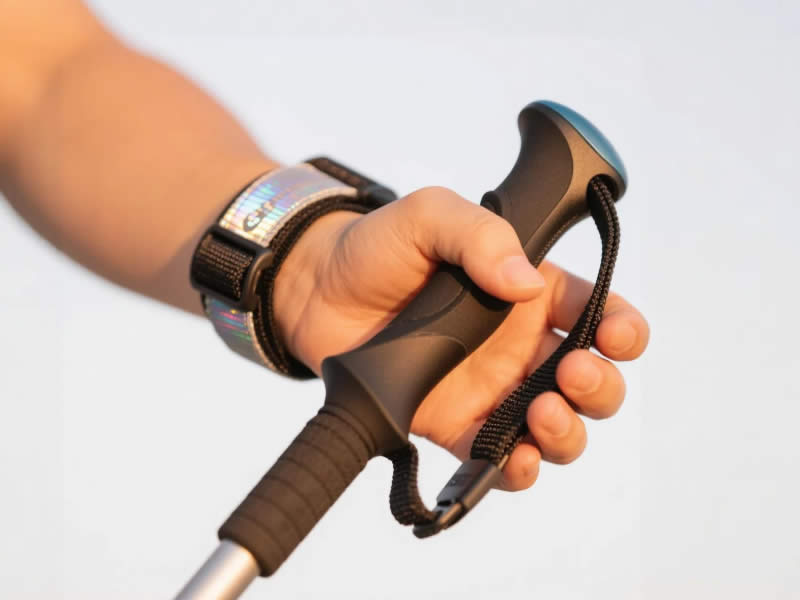
Recommended trekking pole purchase link: https://s.click.aliexpress.com/e/_c4M7OWaN
The Problem with Traditional Straps
Standard trekking pole straps are simple loops—often narrow nylon webbing—that cinch around the wrist. The user slides their hand up through the loop, then grips the pole, with the strap running across the base of the palm and the back of the wrist.
Why this is problematic for carpal tunnel:
The median nerve passes through the carpal tunnel at the base of the palm, just beneath the wrist crease. Traditional straps, when tightened for proper load transfer, apply direct pressure to this area. The combination of strap tension and the repetitive motion of pole planting can compress the nerve, triggering symptoms such as:
- Tingling or numbness in the thumb, index, and middle fingers
- Burning sensation in the wrist and palm
- Weakness in grip strength
- Radiating pain up the forearm
For those with existing carpal tunnel issues, this pressure can make trekking impossible or cause symptom flares lasting days after the hike.
Leki Trigger System: The Gold Standard
The Leki Trigger System is widely regarded as the best strap design for carpal tunnel sufferers. It fundamentally reimagines how a pole connects to the hand.
How it works:
Instead of a loop that cinches around the wrist, the Trigger system uses a molded plastic connector integrated into a glove or glove-like strap. The connector snaps into the top of the pole grip with a simple click. To release, you press a button on the grip or simply pull your hand away, depending on the version.
Pressure distribution:
The key advantage for carpal tunnel is where the force goes. In a traditional strap, pressure concentrates on the wrist and the base of the palm. In the Trigger system:
- The force is transferred through the back of the hand (via the glove or strap backing)
- The connector sits above the wrist, not across it
- The grip itself supports the palm without a constricting strap
This design eliminates the compression point that triggers median nerve symptoms.
Additional benefits:
- Quick release: Exiting the pole is instantaneous—important if you need to free your hands quickly or if symptoms flare.
- Consistent position: Your hand aligns with the grip in the same way every time, reducing variable pressure points.
- Glove integration: The Trigger glove system keeps your hands warm while maintaining the ergonomic connection.
Padded Wide Straps: The Accessible Alternative
Not everyone wants to use a glove-integrated system. For those who prefer traditional straps but need carpal tunnel accommodation, wide, padded straps are the best alternative.
Design features:
- Width: 1.5 to 2 inches wide, distributing pressure over a larger surface area
- Padding: Soft foam or neoprene padding along the strap, especially at the wrist contact points
- Adjustability: Easily adjustable tension to avoid overtightening
- Shaped contour: Some straps are anatomically shaped to follow the hand’s natural lines rather than cutting across the wrist
How it helps:
Wider padding spreads the force across a broader area, reducing peak pressure on the median nerve. The ability to loosen the strap while still maintaining some load transfer allows users to find the “sweet spot” between security and compression.
Limitations:
Even the best padded strap still applies pressure across the wrist area. For those with moderate to severe carpal tunnel, this may still be problematic. The Trigger system remains superior for complete pressure avoidance.
Straps to Avoid
If you have carpal tunnel, steer clear of:
- Narrow nylon straps: Typically 0.5 inches or less; concentrate pressure intensely
- Non-adjustable loop straps: Often found on budget poles; cannot be loosened to reduce pressure
- Rubber or rigid straps: Do not conform to your hand, creating hard pressure points
Comparative Analysis
| Strap Type | Pressure on Median Nerve | Adjustability | Release Speed | Best For |
|---|---|---|---|---|
| Leki Trigger | None (force through back of hand) | N/A (fits via glove/strap) | Instant | Moderate to severe CTS |
| Wide Padded Strap | Moderate (distributed) | Excellent | Standard | Mild to moderate CTS |
| Standard Loop Strap | High | Limited | Standard | Not recommended for CTS |
Additional Considerations
Grip shape matters too:
Combine a carpal-tunnel-friendly strap with an anatomic grip that supports a neutral wrist position. The combination of proper strap design and ergonomic grip yields the best outcome.
Proper fitting:
Even the best strap must be fitted correctly. For the Trigger system, ensure the glove or strap fits snugly but not tight. For padded straps, adjust so the strap is loose enough to avoid compression but tight enough to transfer load when you push down.
Consult your physician:
If you have diagnosed carpal tunnel syndrome, discuss pole selection with your healthcare provider. Some may recommend specific designs or caution against certain activities.
The Verdict
The best wrist strap design for carpal tunnel is Leki’s Trigger system. By transferring force through the back of the hand rather than compressing the wrist, it eliminates the primary mechanism that triggers median nerve symptoms. For those who prefer traditional straps, wide, padded, adjustable straps offer a significant improvement over standard designs but still apply some pressure to the wrist area.
For anyone with carpal tunnel who wants to continue trekking comfortably, investing in poles with Trigger-style connectivity is one of the most effective gear decisions you can make. The combination of pressure-free force transfer, quick release, and consistent hand positioning allows many with CTS to hike distances that would otherwise be impossible.
Your wrists carry your rhythm. Choose a strap that carries them without pain.




