




Signs you need better Trekking Poles?
Trekking poles are simple tools, but they play a critical role in your safety, comfort, and performance on the trail. Over time, even well‑maintained poles can wear out or become inadequate for your evolving needs. Using poles that are past their prime—or were never right for you—can lead to fatigue, blisters, joint pain, and even dangerous falls. Recognizing the warning signs early allows you to upgrade before a failure ruins your hike. This article lists the most common indicators that it’s time to invest in better trekking poles.
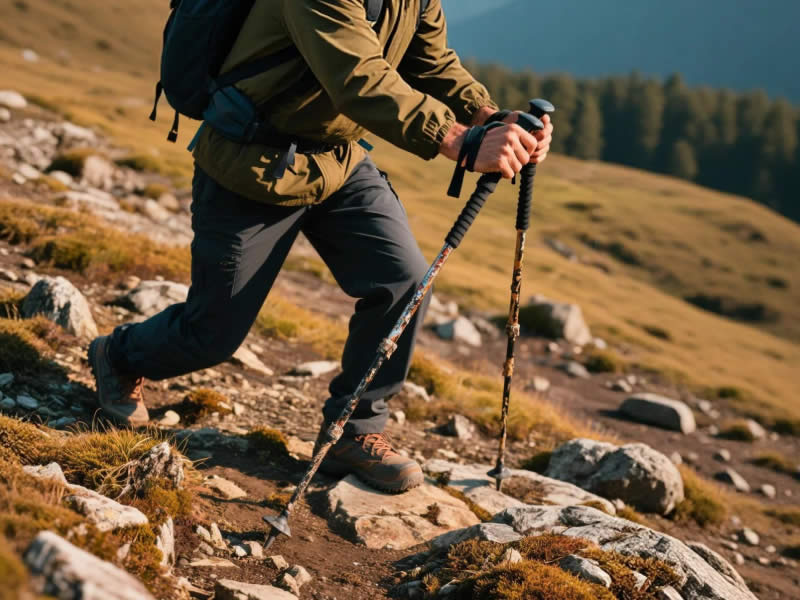
Recommended trekking pole purchase link: https://s.click.aliexpress.com/e/_c4M7OWaN
1. Locks That Slip or Collapse
Your poles’ locking mechanisms (twist locks or flip levers) are the most critical safety components. When they fail, a pole can suddenly shorten under load, causing you to lurch forward or lose balance.
- Signs: You hear a clicking or grinding sound when you plant the pole. You have to retighten locks every few minutes. The pole section slides down even after you’ve locked it.
- Why it’s dangerous: A sudden collapse on a steep descent or while crossing a stream can lead to a serious fall.
- Solution: If cleaning and tightening (for flip locks) doesn’t fix the slip, replace the poles. Quality brands like Leki, Black Diamond, or Komperdell have locks that stay secure for years.
2. Worn, Sticky, or Uncomfortable Grips
The grip is your only point of contact. Worn grips cause hand fatigue, blisters, and loss of control.
- Signs: Rubber grips feel sticky or leave black residue on your hands. Foam grips are flattened, cracked, or missing chunks. Cork grips are smooth and no longer wick sweat. You develop hot spots or blisters after every hike.
- Why it matters: An uncomfortable grip makes you over‑grip, leading to forearm and shoulder fatigue. Sticky rubber can actually adhere to your skin, causing painful pulls.
- Solution: Upgrade to poles with high‑quality cork or ergonomic foam grips. Cork molds to your hand, stays cool, and wicks moisture – a game‑changer for long days.
3. Excessive Weight That Fatigues You
Every lift of a heavy pole costs energy. Over a full day, that adds up.
- Signs: Your shoulders, arms, or hands feel sore after hikes. You find yourself dragging the poles rather than planting them. You avoid using poles on longer trips because they “wear you out.”
- Numbers: Beginner aluminum poles often weigh 280–350g (0.6–0.8 lbs) per pole. Mid‑range aluminum drops to 220–250g, and carbon fiber can be 150–200g.
- Solution: If you hike more than once a week or cover over 10 miles per trip, consider lighter poles. The reduction in upper‑body fatigue is immediate and noticeable.
4. No Shock Absorption (and You Feel the Impact)
Walking poles transfer impact directly to your wrists, elbows, and shoulders. For some hikers, that’s fine. For others, it becomes painful.
- Signs: After descending rocky trails, your wrists ache. You feel a jarring sensation with every plant. You have existing arthritis or joint issues that flare up after using poles.
- Solution: Look for poles with internal shock‑absorbing springs (e.g., Leki Shock series). These compress slightly on impact, smoothing out the jolt. They add a little weight but can make hiking pain‑free for seniors or those with joint conditions.
5. Bent, Cracked, or Worn‑Out Shafts
Aluminum poles can bend; carbon fiber can crack. Even a small bend weakens the pole and can affect locking.
- Signs: A visible curve in the shaft. Cracks or splinters in carbon fiber. The pole no longer extends or retracts smoothly. The lower section wobbles when locked.
- Why it’s dangerous: A bent or cracked pole can fail completely under load, especially when you need it most (e.g., crossing a slippery log).
- Solution: Replace immediately. Do not attempt to straighten aluminum – it creates weak points. Carbon fiber with cracks is trash.
6. Worn Carbide Tips That Slip
The carbide tip provides grip on ice, rock, and hard dirt. Over time, the tip rounds off or breaks.
- Signs: The pole skids on wet rock or ice. The tip looks blunt or has a flat spot. You feel less stable on hard surfaces.
- Solution: Many quality poles have replaceable carbide tips. If your beginner poles have molded, non‑replaceable tips, it’s time to upgrade to a model with user‑replaceable tips (e.g., Leki, Black Diamond). You’ll save money in the long run.
7. Lack of Features You Now Need
As you progress, your requirements evolve. Beginner poles may lack:
- Adjustability for steep terrain – Shortening for uphill, lengthening for downhill.
- Compatibility with snow baskets – For winter hiking.
- Foldability for backpacking – Telescoping poles are fine for day hikes but bulky for overnight trips.
- Strap systems – Padded, quick‑release straps (e.g., Leki Trigger) are much more comfortable.
- Replaceable parts – Tips, baskets, straps – the ability to replace worn components extends pole life.
Signs: You find yourself borrowing features from friends’ poles. You’ve started winter hiking but your poles sink in snow because they lack snow baskets. You want to pack poles inside your backpack but they’re too long when collapsed.
8. Persistent Pain Despite Proper Technique
You’ve watched videos, adjusted your form, and practiced, but you still experience wrist, elbow, or shoulder pain.
- Signs: Pain occurs only when using your current poles. You’ve ruled out technique issues. The pain is consistent (e.g., sharp in the wrist after descents).
- Solution: Some body types need ergonomic poles (e.g., Pacerpole with angled grips) or custom‑moldable grips (Leki Custom Fit). Your beginner poles may simply have the wrong grip angle or strap design for your anatomy.
9. You’ve Outgrown the “Beginner” Price Point
This is subjective but valid. If you hike regularly (weekly), your poles are a critical tool. Spending $40–80 on beginner poles made sense to test the waters. Now you know you love pole hiking. It’s time to invest in durability, comfort, and performance.
- Signs: You’ve used your beginner poles for over two years. You notice small failures (slight lock slip, grip wear). You’re planning a long trek (e.g., a thru‑hike or a multi‑day backpacking trip).
- Solution: Set a budget of $120–200 for a pair of poles that will last 5–10 years with proper care. Brands like Leki, Black Diamond, and Komperdell offer excellent mid‑range models.
Final Thoughts
Trekking poles are not “forever” gear, but a good pair can serve you for many years. Knowing when to upgrade is about listening to your body and observing your equipment. If locks slip, grips cause pain, weight fatigues you, or you lack features for your current hiking style, don’t wait for a failure on the trail. Better poles are an investment in your safety, comfort, and enjoyment. Upgrade when the signs appear – your knees, shoulders, and hands will thank you.




