




Grieving the loss of broken Trekking Poles?
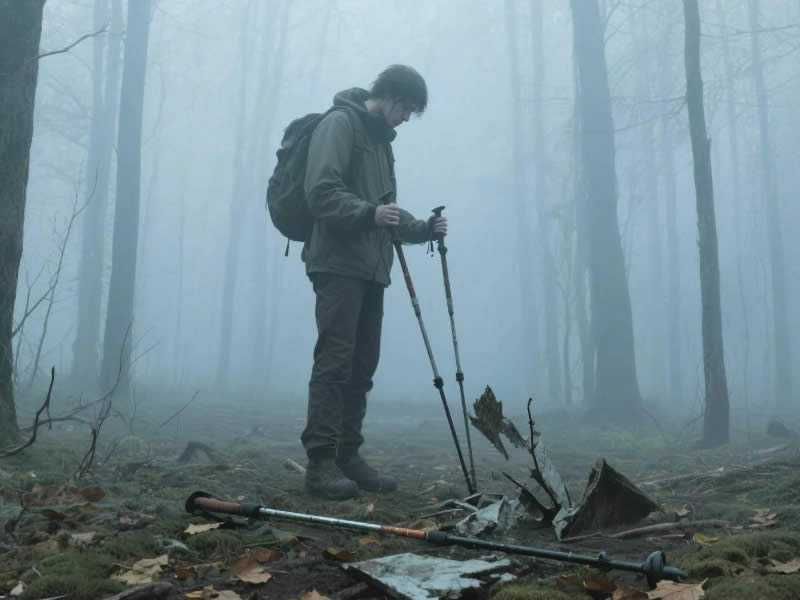
It happened on a routine descent. A misplaced step on loose scree, a desperate plant to avoid a fall, and a sickening crack. You look down. Your trusted trekking pole – the one that has crossed rivers, summited peaks, and leaned against countless shelter walls – is bent at an unnatural angle, the carbon fiber splintered, the lock mechanism twisted beyond repair. In that moment, a strange wave of emotion washes over you. It’s not just gear. It’s a loss. And if you’ve ever felt that pang, you are not alone. Grieving broken trekking poles is a real, if quiet, part of the hiker’s experience.
Recommended trekking pole purchase link: https://s.click.aliexpress.com/e/_c4M7OWaN
More Than Metal and Cork
Why does a broken pole hurt? Because it was never just a pole. That pair of sticks has been your silent partner for hundreds or thousands of miles. The cork grip has molded to your palm like a handshake. The scratches on the shaft tell a story only you can read: the lightning storm on the ridge, the icy river crossing, the dawn summit where you cried happy tears. When you plant a pole, you are planting trust. When it breaks, that trust is fractured.
Psychologists call this “emotional attachment to inanimate objects.” It is perfectly normal and often healthy. Objects that accompany us through significant life events become woven into our identity. For hikers, trekking poles are among the most intimate pieces of gear – you hold them constantly, they bear your weight, they literally keep you on your feet. Losing them can feel like losing a friend.
The Stages of Gear Grief
The grief over a broken pole doesn’t follow a strict timeline, but many hikers recognize familiar stages:
- Denial – “Maybe I can bend it back. A little duct tape? Surely it’s still usable.”
- Anger – “Why did I plant so hard? Why did I buy carbon instead of aluminum?”
- Bargaining – “If I just replace the lower section, will it ever feel the same?”
- Sadness – The quiet weight of realizing that the miles you shared are over. The pole will never again click beside you.
- Acceptance – A deep breath. A thank you. A decision to retire the pole with dignity.
These stages may last minutes or months. For thru‑hikers, losing a pole mid‑trail can be a crisis that forces an emergency purchase and a period of awkward adjustment to new gear. The new poles feel stiff, unfamiliar, and untrustworthy. It takes time to build a new relationship.
Why We Mourn So Deeply
Trekking poles are often associated with milestones. The first pair you bought for your first backpacking trip. The poles you used on your first solo hike. The ones that saved you from a broken ankle on a rocky descent. When they break, they take a piece of those memories with them. Unlike a photo that remains, a broken pole is a physical end. The story can no longer continue with that object.
For older hikers, poles can be linked to physical decline. A pair that helped you hike despite arthritis or a replaced knee becomes a symbol of defiance against aging. Breaking them can feel like a reminder of fragility. For veterans or trauma survivors, poles may serve as grounding tools; losing them can trigger anxiety.
Honoring a Fallen Companion
How do you grieve a broken trekking pole? There is no manual, but many hikers find comfort in small rituals:
- Salvage a part – Cut off the cork grip and keep it as a worry stone or keychain. It still holds the shape of your hand.
- Retire with ceremony – Plant the broken pole upright at a meaningful trail junction, or lean it against a tree where you had a beautiful view. Say a few words of thanks.
- Repurpose – Straighten a bent aluminum section (carefully) and use it as a garden stake. Let it support new life.
- Recycle consciously – Remove metal parts for recycling, compost cork grips if possible, and say goodbye.
- Write about it – Journal the memories associated with that pole. The act of writing can solidify the good times and ease the loss.
Some hikers hold a “funeral” with trail friends – sharing stories about the pole’s adventures, laughing at the near‑falls, raising a flask of whiskey. It sounds silly, but it works. Grief shared is grief halved.
The Silver Lining
A broken pole also offers an opportunity. It forces you to examine what you truly value in gear. Was it the lightness? The grip shape? The way it felt in your hand? When you buy a replacement, you can make a more informed choice. You might even upgrade to a model that better suits your current needs.
Moreover, the new poles will eventually earn their own stories. The first scratch will hurt less than you expect. The first summit with them will feel tentative, then triumphant. In time, they will become trusted partners too. Not replacements – successors.
Stories from the Trail
A Pacific Crest Trail thru‑hiker wrote: “My left pole snapped in the Sierra. I sat on a rock and cried for ten minutes. My hiking partner didn’t laugh. He just sat with me. Then we duct‑taped the broken section to a tent pole and I limped into the next town. I still have the broken grip in my gear closet.”
A retired geologist shared: “My wife bought me those poles for our 25th anniversary. When the tip finally wore down to a nub, I couldn’t throw them away. I hung them on the wall of my workshop. Every time I see them, I remember the Grand Canyon, the Tetons, and her smile.”
Final Thoughts
Grieving the loss of broken trekking poles is not weakness; it’s a testament to the depth of your connection to the trail. Those poles supported your body, but they also held your dreams, your fears, and your triumphs. When they break, it’s okay to feel sad. It’s okay to take a moment. Then, take a breath, thank them for their service, and move forward. The trail is still there. Your legs are still strong. And somewhere, a new pair of poles is waiting to learn your rhythm. They will never replace the old ones, but they will earn their own place in your story. And that, perhaps, is the most beautiful part of the journey.




