




How to Prevent Blisters from Hiking Poles?
Blisters, chafing, or painful hot spots on your hands can transform a pleasurable hike into a miserable experience. While often associated with footwear, hiking poles are a common, overlooked culprit. Blisters form from persistent friction and pressure, and improper pole technique creates exactly that. The good news is that with the right knowledge and habits, you can enjoy the full benefits of your poles without the painful side effects.
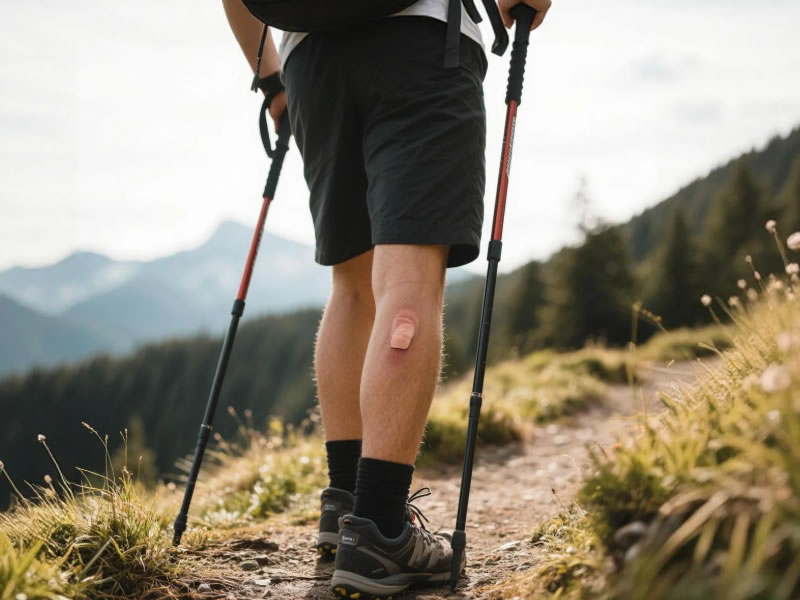
Recommended trekking pole purchase link: https://s.click.aliexpress.com/e/_c4M7OWaN
Understanding the Cause: Friction and Pressure Points
When you grip a hiking pole too tightly or slide your hand against an ill-fitting grip with each plant, you create repetitive micro-movements that shear the layers of your skin. Combine this with moisture (sweat) and heat, and you have the perfect recipe for a blister. The most common trouble spots are the base of the thumb, the palm, and where fingers wrap around the grip.
The Five-Point Prevention Plan
1. Master the Wrist Strap (This is #1 for a Reason)
The single biggest mistake is gripping the pole like a hammer. Your hand should be relaxed, with the wrist strap bearing the weight.
- Correct Technique: Slide your hand upward through the bottom of the strap before gripping the handle. The strap should cradle the back of your hand, forming a "V" between your thumb and forefinger. When you plant the pole, push down through the strap, not by squeezing the grip. This eliminates the sliding friction inside your palm.
2. Choose and Maintain the Right Grip
The grip material and size directly impact friction.
- Material Matters: Cork grips are superior for blister prevention. They naturally wick moisture, mold to your hand, and reduce slippage. Foam (EVA) grips are soft and absorbent, also an excellent choice. Avoid hard plastic or rubber grips for long hikes.
- Proper Sizing: A grip that is too large forces your hand to over-extend, creating pressure points. Many brands offer women-specific or smaller-diameter grips for a more natural fit.
- Keep Them Clean: Dirt and grit on the grip act as sandpaper. Clean your grips regularly with mild soap and water.
3. Utilize Protective Barriers
For problem areas or high-friction situations, a physical barrier is highly effective.
- Hiking or Glove Liners: Thin, moisture-wicking liner gloves are a game-changer. They manage sweat and provide a consistent, protective layer. Merino wool or synthetic blends work best.
- Tape Proactively: Apply a durable, flexible sports tape (like leukotape) or specialized blister prevention tape to known hot spots before you feel discomfort.
- Lubricants & Powders: A dab of anti-chafe balm (e.g., Body Glide) on the palm can drastically reduce friction. Conversely, some prefer talc-free powders to keep hands dry.
4. Ensure Proper Pole Length and Technique
Incorrect pole length forces awkward hand angles and excessive grip pressure.
- Optimal Length: On flat ground, with the tip on the floor, your elbow should form a relaxed 90-degree angle. Adjust shorter for uphill, longer for downhill.
- Avoid "Death Gripping": Your grip should be firm enough for control, but not white-knuckled. Regularly check in with your hands and consciously relax your grip.
5. Perform Pre-Hike Hand Care
- Toughen Skin Gradually: Build up your hiking mileage steadily to allow calluses to form naturally in key areas.
- Moisturize: Keep the skin on your hands healthy and pliable, but ensure they are dry when you start hiking.
- Inspect: Check your hands at breaks for early signs of redness (hot spots). Address them immediately with tape or an adjustment in technique.
What to Do If You Feel a Hot Spot Developing
Do not ignore the early warning sign of a "hot spot." Stop immediately and:
- Clean the area.
- Apply a blister-specific dressing (like a hydrocolloid bandage or moleskin).
- Re-examine your grip and strap use to eliminate the source of friction.
Common Mistakes to Avoid
- Wearing the Strap Over Your Wristwatch or Jewelry: This creates a hard pressure point.
- Using Poles with Worn-Out or Abrasive Grips: Replace grips if they become hardened or cracked.
- Ignoring Early Discomfort: Pain is a signal. Fix the problem when it's small.
Conclusion: Comfort is a Technique
Preventing blisters from hiking poles is not about having tougher skin; it's about smart technique and proactive preparation. By mastering the weight-bearing role of the wrist strap, choosing ergonomic grips, using protective barriers, and maintaining proper form, you eliminate the conditions that cause blisters. Your hands should feel as good as your legs at the end of a long day on the trail. Implement these strategies, and your poles will remain the supportive, fatigue-fighting tools they are meant to be, without any painful drawbacks.




