




Vintage-style wooden Trekking Poles for aesthetics?
In an age of carbon fiber, adjustable levers, and ergonomic foam grips, there is a quiet revival of something simpler: the wooden trekking pole. Not for ultralight thru‑hikes or technical ascents, but for the sheer pleasure of walking with a piece of natural beauty in hand. Vintage‑style wooden trekking poles appeal to hikers, photographers, reenactors, and anyone who values craftsmanship over grams. They are as much an accessory as a tool—a statement of timeless elegance on the trail. This article explores the world of wooden poles, their aesthetic charm, practical limitations, where to find them, and how to care for them.
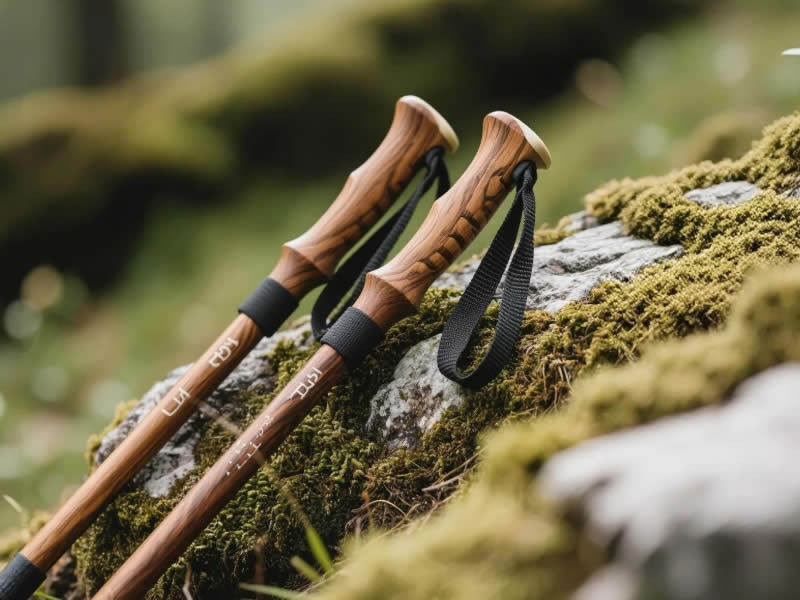
Recommended trekking pole purchase link: https://s.click.aliexpress.com/e/_c4M7OWaN
The Allure of Wood
Wooden trekking poles evoke a bygone era when a walker’s staff was hand‑carved from a single branch, oiled with linseed, and topped with a leather strap. Today’s vintage‑style poles honor that tradition. Made from ash, hickory, bamboo, hazel, or oak, each pole has unique grain, color, and character. Unlike mass‑produced aluminum, no two wooden poles are identical. They feel warm in the hand, dampen vibration naturally, and develop a patina over time. For many, using a wooden pole is a meditative experience—a connection to the centuries‑old practice of walking with a staff.
Aesthetics vs. Performance
It’s important to be honest: wooden poles are not technical gear. They typically lack:
- Adjustability – Fixed length, so you must choose a height that suits your stature (usually 50–60 inches for most adults).
- Shock absorption – No springs or flex; the wood itself provides some give, but not like carbon fiber.
- Lightweight construction – A hardwood pole weighs 300–500 grams (10–17 oz) per pole, similar to entry‑level aluminum but heavier than premium carbon.
- Locking mechanisms – No telescoping sections; they are one solid piece.
- Interchangeable tips – Most have a fixed metal tip (often a brass ferrule and steel spike) that cannot be swapped for rubber or snow baskets.
However, for gentle walks on flat terrain, woodland paths, or urban parks, they are perfectly adequate. They excel in scenarios where aesthetics matter as much as function: photography sessions, Renaissance fairs, cosplay, weddings (yes, some couples use wooden poles as props), or simply sitting by a fireplace.
Types of Wood and Their Characteristics
| Wood | Weight | Grain | Durability | Typical Use |
|---|---|---|---|---|
| Ash | Medium | Straight, prominent | Very durable | Classic English walking sticks |
| Hickory | Heavy | Pronounced, wavy | Extremely durable | Heavy‑duty staffs |
| Bamboo | Light | Distinct nodes | Good, but can split | Lightweight, exotic look |
| Hazel | Light | Fine, subtle | Good | Traditional Irish or English stick |
| Oak | Heavy | Open grain | Very durable | Formal, dress sticks |
| Beech | Medium | Fine, uniform | Good | Affordable European poles |
For trekking, ash and hickory offer the best strength‑to‑weight ratio. Bamboo is the lightest but may split if abused. Avoid pine or softwoods—they dent and break easily.
Where to Find Vintage‑Style Wooden Poles
Artisans and Etsy
The best source for handcrafted wooden poles is independent woodworkers. On Etsy, search “wooden walking stick” or “hiking staff.” Many offer customization: length, wood type, handle shape (knob, T‑grip, or straight), leather strap color, and even carving (initials, Celtic knots, or animal heads). Expect to pay $40–150 depending on complexity.
Specialty Brands
- Brazos Walking Sticks (US) – Offers handcrafted hickory and ash poles with leather straps and brass tips. Highly regarded for quality.
- The Walking Stick Factory (UK) – Traditional English sticks, including shillelaghs and thumbsticks.
- Mountain Staff (Germany) – Premium wooden poles with ergonomic grips and exchangeable tips (rare for wood).
- Bamboo Trekking Poles – Several Asian sellers on Amazon offer affordable bamboo poles (around $20–30), but quality varies.
DIY
For the crafty, making your own wooden pole is satisfying. Find a straight, seasoned hardwood branch (hazel or ash), remove bark, sand smooth, apply linseed oil, and attach a metal tip (available from hardware stores). Add a leather strap. Total cost under $20.
Caring for Wooden Poles
Wood is living material even after being cut. Proper care ensures decades of use:
- Oil regularly – Apply boiled linseed oil or tung oil every 6–12 months. This prevents drying, cracking, and moisture absorption.
- Store indoors – Avoid leaving poles in a damp garage or hot car. Extreme humidity or dryness causes warping.
- Clean gently – Wipe with a damp cloth after muddy hikes; dry thoroughly. Never use harsh detergents.
- Inspect tip – The metal ferrule can loosen over time; tap it back into place or secure with epoxy.
- Refinish as needed – Light sanding removes scratches; re‑oil.
Pairing with Outfits
The aesthetic of wooden poles complements certain hiking attire:
- Classic tweed or wool – Think English country walker: flat cap, waxed jacket, sturdy boots.
- Boho or natural fiber – Linen shirts, cotton trousers, leather boots.
- Steampunk or cosplay – Wooden poles with brass accents fit perfectly.
- Photography – Wood adds warmth to landscape or portrait shots.
For modern technical clothing (Gore‑Tex, bright colors, synthetic fabrics), a wooden pole may look incongruous. But that’s part of the charm—mixing old and new.
Practical Tips for Using Wooden Poles on the Trail
- Choose the right length – When standing, the top of the pole should reach your wrist crease with your arm hanging naturally (same as standard pole adjustment).
- Add a rubber tip – Many wooden poles come with a steel spike; you can slip on a rubber cane tip (available at pharmacies) for paved surfaces or indoor use.
- Use a wrist strap – A leather strap prevents dropping and adds safety.
- Avoid rocky descents – Wooden poles lack the grip and shock absorption for steep, loose terrain. Save them for gentle walks.
- Check for splinters – Over time, the shaft may develop rough spots; sand them down immediately.
Are They Right for You?
Choose vintage‑style wooden poles if:
- You prioritize aesthetics and craftsmanship over technical performance.
- You walk on easy trails, parks, or urban settings.
- You enjoy traditional outdoor activities like birdwatching, nature photography, or countryside rambles.
- You want a unique accessory for costumes, weddings, or events.
- You appreciate the feel and sound of wood.
Stick with modern aluminum/carbon poles if:
- You hike rugged, steep, or slippery terrain.
- You need adjustability (e.g., sharing poles with a partner).
- You want lightweight, packable poles for backpacking.
- You rely on shock absorption for joint pain.
The Emotional Value
Beyond the practical, wooden poles carry sentimental weight. They can be heirlooms, passed down through generations. Many hikers carve trail names, dates, or symbols into their staffs, turning them into diaries of adventures. A wooden pole is not disposable; it ages with you. Scratches and dings become memories. That’s something no carbon fiber pole can replicate.
Final Thoughts
Vintage‑style wooden trekking poles are not for everyone, nor for every trail. They are for those who walk slowly enough to notice the grain of the wood, who enjoy the weight of tradition, and who believe that gear can be both functional and beautiful. If you have the budget and the inclination, a handcrafted ash or hickory pole will bring you joy for years. Maintain it with oil, treat it with respect, and it will become a companion on your walks—a reminder that sometimes the old ways are the best ways. So next time you stroll through a sun‑dappled forest or along a quiet beach, consider leaving the carbon fiber at home and taking a wooden staff instead. You might find that the journey feels a little more magical.




